Too Flexible to Fix? Orthopedic Surgery and Hypermobility with Dr. Jocelyn Wittstein (Ep 196)

What if being too flexible is exactly what makes surgery fail? And what if your doctor thinks your shoulder is fine because you can lift your arm to 90 degrees, not realizing that for you, 90 degrees might as well be a frozen joint?
Your joints bend farther than most. But when something goes wrong, that same flexibility may be working against you and your surgeon may not know it yet.
In this episode, Dr. Linda Bluestein sits down with Dr. Jocelyn Wittstein, orthopedic surgeon at Duke University, to pull back the curtain on one of medicine's most misunderstood intersections: hypermobility, connective tissue disorders, and orthopedic care. Why do surgeons sometimes refuse to operate on patients with hypermobility or EDS? What actually happens during an "atraumatic" dislocation and why does it feel so different from a typical injury? And how does estrogen quietly shape the strength of your connective tissue across your lifetime?
Dr. Wittstein walks us through the critical distinction between joint laxity and instability a difference that changes everything about treatment. She explains the frozen shoulder paradox, where a hypermobile patient loses dramatic range of motion but still looks "normal" on paper. She breaks down what PRP can and cannot do, and when regenerative medicine is worth considering. And she reveals why surgical technique itself has to change when the patient has variant connective tissue.
Whether you are managing chronic subluxations, weighing a surgical decision, or just trying to understand why your body plays by different rules this conversation gives you the framework to advocate for smarter care.


What if being too flexible is exactly what makes surgery fail? And what if your doctor thinks your shoulder is fine because you can lift your arm to 90 degrees, not realizing that for you, 90 degrees might as well be a frozen joint?
Your joints bend farther than most. But when something goes wrong, that same flexibility may be working against you and your surgeon may not know it yet.
In this episode, Dr. Linda Bluestein sits down with Dr. Jocelyn Wittstein, orthopedic surgeon at Duke University, to pull back the curtain on one of medicine's most misunderstood intersections: hypermobility, connective tissue disorders, and orthopedic care. Why do surgeons sometimes refuse to operate on patients with hypermobility or EDS? What actually happens during an "atraumatic" dislocation and why does it feel so different from a typical injury? And how does estrogen quietly shape the strength of your connective tissue across your lifetime?
Dr. Wittstein walks us through the critical distinction between joint laxity and instability a difference that changes everything about treatment. She explains the frozen shoulder paradox, where a hypermobile patient loses dramatic range of motion but still looks "normal" on paper. She breaks down what PRP can and cannot do, and when regenerative medicine is worth considering. And she reveals why surgical technique itself has to change when the patient has variant connective tissue.
Whether you are managing chronic subluxations, weighing a surgical decision, or just trying to understand why your body plays by different rules this conversation gives you the framework to advocate for smarter care.
Takeaways:
Laxity Is Not Instability: Laxity is how far your joint moves. Instability is what happens when you can no longer control that movement. These are not the same problem, and confusing them leads to the wrong treatment.
The Dislocation Spectrum: Hypermobile joints often dislocate with little or no trauma -- and reduce just as easily, because the tissues have more give and recoil. This is a fundamentally different mechanism than what surgeons typically train for.
Why Surgery Gets Complicated: Surgeons may modify technique entirely for hypermobile patients using donor tendons or internal bracing, because standard repairs fail at higher rates when connective tissue itself is the variable.
Estrogen and Your Joints: Estrogen influences collagen synthesis and joint inflammation. Its withdrawal during menopause can trigger increased pain and fibrotic conditions, including frozen shoulder, in ways that are rarely discussed.
The Frozen Shoulder Paradox: A hypermobile patient presenting with 90 degrees of shoulder motion might look fine to any other doctor. For them, it may represent a catastrophic loss from baseline and will almost certainly be missed without the right clinical lens.
What PRP Can (and Cannot) Do: PRP shows legitimate evidence for reducing inflammatory markers in mild arthritis. Bone marrow concentrate, despite the hype, has not yet proven superior. Know the difference before you invest.
Want more Dr. Jocelyn Wittstein?
@Jocelyn_wittstein_md
https://ortho.duke.edu/jocelyn-r-wittstein-md
Go to cozyearth.com and use my Promo Code: BENDYBOGO
Go AquaTru.com now for 20% off (your purifier) using promo code BENDY.
Want more Dr. Linda Bluestein, MD?
Website: https://www.hypermobilitymd.com/
YouTube: https://www.youtube.com/@bendybodiespodcast
Instagram: https://www.instagram.com/hypermobilitymd/
Facebook: https://www.facebook.com/BendyBodiesPodcast
X: https://twitter.com/BluesteinLinda
LinkedIn: https://www.linkedin.com/in/hypermobilitymd/
Newsletter: https://hypermobilitymd.substack.com/
Shop my Amazon store https://www.amazon.com/shop/hypermobilitymd
Dr. Bluestein's Recommended Herbs, Supplements and Care Necessities: https://us.fullscript.com/welcome/hypermobilitymd/store-start
Want to learn more about the UVA EDS Center?
For Appointments and Questions: RUVAEDSCenter@uvahealth.org
UVA EDS: https://www.uvahealth.com/healthy-practice/advancing-care-through-ehlers-danlos-clinic
UVA EDS FAQ: https://www.uvahealth.com/support/eds/faq
UVA Pediatric Integrative Medicine: https://childrens.uvahealth.com/specialties/integrative-health
Thank YOU so much for tuning in. We hope you found this episode informative, inspiring, useful, validating, and enjoyable. Join us on the next episode for YOUR time to level up your knowledge about hypermobility disorders and the people who have them.
Join YOUR Bendy Bodies community at https://www\.bendybodiespodcast\.com/.
YOUR bendy body is our highest priority!
Learn more about Human Content at http://www\.human-content\.com
Podcast Advertising/Business Inquiries: sales@human-content.com
Part of the Human Content Podcast Network
FTC: This video is not sponsored. Links are commissionable, meaning I may earn commission from purchases made through links
Learn more about your ad choices. Visit megaphone.fm/adchoices
Transcripts are auto-generated and my contain errors
Jocelyn Wittstein, MD: [00:00:00] Stem cell therapy is just much more invasive, more expensive, more time consuming, and doesn't really seem to do more than the low white cell auto condition plasma in terms of dealing with like symptoms of mild to moderate arthritis.
Dr. Linda Bluestein: Welcome back to the Bendy Bodies Podcast. I'm your host, Dr. Linda Bluestein, the Hypermobility md, a Mayo Clinic trained expert in Ehlers Dan Ehlers-Danlos Syndrome. My guest today is Dr. Jocelyn Wittstein. Dr. Wittstein is an orthopedic surgeon at Duke University School of Medicine specializing in sports injuries and joint conditions.
Her research emphasizes ligament injuries like the ACL joint instability and factors affecting musculoskeletal health and including areas relevant to hypermobility such as tissue resilience and hormone influences. [00:01:00] I'm really excited to have this conversation today because we know that there are so many people who are dealing with orthopedic injuries, and it is really challenging to sort out when surgery might be indicated and when you should take a more conservative approach.
This podcast is for education only and is not a substitute for personalized medical advice. Stay to the end for our hypermobility hack. Here we go.
Thank you so much for listening to Bendy Bodies. We really appreciate your support. It really helps the podcast when you like, subscribe and comment on YouTube and follow rate and review on all audio platforms. This helps us reach so many more people and spread the information to everyone. Thank you so much again, and enjoy the rest of the episode.
Well, I am so excited to be here with Dr. Jocelyn Wittstein. Thank you so much for coming to chat with me today on the Bendy Bodies podcast.
Jocelyn Wittstein, MD: Thanks for inviting
Dr. Linda Bluestein: me. Yes, of course. So, as you know, this podcast is for people who have joint hypermobility, connective [00:02:00] tissue disorders, and that often involves joint instability, dislocations, subluxations, all kinds of things like that.
And so can you start out by telling us what this means when we talk about joint instability? Like what, how should we be defining this?
Jocelyn Wittstein, MD: well, we actually talk about this a lot in orthopedic surgery. There's a little bit of a difference between, instability and laxity or hypermobility. you know, there are patients or people who have hypermobile joints.
They have a lot of laxity, but they're able to control the stability, you know, of, their, joints. you know, someone who can voluntarily pop their shoulder out or pop it back in because there's so much laxity in their joint. but they're able to live their daily lives without, you know, instability as opposed to like someone who has so much hypermobility and laxity but doesn't have [00:03:00] that control.
And every time they lift their shoulder out, up the ball falls out the back of the socket. They're experiencing, you know, instability in the setting of their hypermobility. So there's actually a lot of nuance in between differentiating between instability, you know, laxity and hypermobility. But hopefully that example kind of helps clarify that a little bit.
and hypermobility can be like, diffuse can involve all of your joints, and ligaments, or it can be, some people have just hypermobility and laxing of their shoulders or the patellafemoral joints. It's not always, you know, whole body hypermobility. So that's another nuance to that.
Dr. Linda Bluestein: Yeah, we talk about that a lot.
that's really helpful. And so it sounds like as you're defining this a con, the control is a very important feature, how a person is able to control that joint.
Jocelyn Wittstein, MD: Yeah. I mean, a per a person can experience instability or not in the setting of having hyper mobility and laxity of joints depends on the person.[00:04:00]
Dr. Linda Bluestein: And what about the difference between dislocation and Subluxation?
Jocelyn Wittstein, MD: so Subluxation would be an incomplete translation of the joints. like your patella. It can maybe can slide partly over but doesn't completely dislocate. It's like a partial dislocation. Dislocation means the entire surface of the joints that are supposed to be articulating are completely, you know, out of place and then back in.
So a dislocation is, you know, more severe than a Subluxation and. Subluxations can be hard to detect because they don't present in the same way as, you know, like a traumatic dislocation, for example. the patella femoral joint is a great example of that. You know, people will have these subluxations, these partial excessive movements of the patella, whereas a dislocation might be, you know, visibly the patella is completely outta the joint and then goes back in, followed by some swelling, that kind of thing.
So, it's, it can be a little subjective because obviously we don't see [00:05:00] everything that happens to someone over the 24 hours of their day or whatever. So,
Dr. Linda Bluestein: and that's what I tell people too, that, you know, 'cause I'm hypermobile, I have hypermobile EDS and I did not realize. I was subluxing different joints in my body.
I never had to go to the ER to get a dislocation reduced or anything like that. So, you know, you just know what your own body feels like, right? You don't know what other people's bodies feel like, so you don't know what is, you know, nor quote normal. Although maybe some degree of Subluxation is something that a lot of people experience.
I'm not sure whether they have joint hypermobility or not.
Jocelyn Wittstein, MD: And also, there can be a big difference between people who have a traumatic instability event that don't have underlying hypermobility versus people that have hypermobility. They can have dislocations that are less traumatic. 'cause the play in the joint allows that to happen without so much traumatic damage being done with each dislocation.
But there's like more micro damage that can happen with ins with that, like chronic instability. So there's [00:06:00] a, there's quite a spectrum of instability. You know, the very traumatic type that doesn't have any underlying hypermobility. And then the very, a traumatic type that happens with just activities of daily living in the setting of a lot of hypermobility.
And there's definitely people in between that have hypermobility, but then they have a traumatic event. And the joint that didn't bother them a lot before now does. And so there's really extremes and everything in between.
Dr. Linda Bluestein: And is it true that if you're hypermobile and you have a lot of joint laxity and you have some joint instability, you can experience a dislocation and it can either reduce on its own or you could self reduce it, but you're not having to go to the emergency room.
And so I feel like there's a lot of people who think that if it's not having to be reduced in the emergency room, that it's not a dislocation.
Jocelyn Wittstein, MD: right. So people have hypermobility are much less likely to need someone else to put their shoulder back into place because it won't often get like locked out of place.
It can be out very quickly and very quickly go back [00:07:00] in. and again, because, you know, think of something that's stiffer and then gets. Displaced and out of place, you're gonna cause some actual like anatomic disruption of fibers, or ligaments or stabilizing structures as opposed to something that has more laxity.
It can stretch to be outta place and then recoil go back in without, because there's more give in the structures. The structures don't necessarily fail or detach or become, you know, disconnected, but they have the give or the slack to allow that much motion in the joint, so they also go back in much more easily.
So there, there's again, quite a spectrum there.
Dr. Linda Bluestein: And when you're taking a history, what are the things that make you think this is something I need to worry about?
Jocelyn Wittstein, MD: I mean, people will say this runs in their family. Like, oh, everyone in my family has hypermobile joints. Or, you know, someone who has an instability event with very little trauma, like someone who's patella [00:08:00] dislocates just getting outta the car or simply like walking or standing up from a chair as opposed to someone who.
you know, was, I don't know, swinging a bat really hard and pivoted with their cleat and it got stuck. Or, you know, something where there's more force on the joint where you would think, oh, there was some acute injury or just bad place in the joint. Versus a simple activity of like simply standing or walking or getting up from a chair.
You know, there's different, degrees of trauma causing the instability of that. If it's very a traumatic, we start to wonder, is this someone, you know who has hypermobility? there are certain overlapping conditions. We sometimes see, you know, pots or, you know, postural changes in, ability to maintain your blood pressure or, there's a lot of overlap of that, with hypermobility.
And the thought is that might be, due to just sort Of the, [00:09:00] of the vessels to, you know, provide tone essentially. you know, just like perhaps there's more laxity in other, you know, tissues, perhaps in vessels as well. And that may be why there's a big overlap in those conditions.
yeah, so those are some of the things that of course, whenever I see anyone presenting to me with the complaint of instability in their joints, we do a bait and score, which is, I'm sure you've talked about on your Oh, yeah.
Dr. Linda Bluestein: Talked about ad naum. Yeah.
Jocelyn Wittstein, MD: Yeah. It's just a way to assess for hypermobility a quick test of nine points that can easily be done to, see if someone has generalized hypermobility.
but again, you'll, I'll have patients who don't have a really high bait score, who have clearly a traumatic ligamentous laxity of their shoulders or their knees or something that's not involving every joint. So it's not a perfect scoring system.
Dr. Linda Bluestein: Also, as you mentioned at the very beginning, they could have localized joint [00:10:00] hypermobility, so they might be hypermobile only in their shoulders or
Jocelyn Wittstein, MD: Correct, yeah.
Dr. Linda Bluestein: Right. yeah. So they might not have generalized. okay. So, and we're gonna get, more into some of the like, nuance of surgery and things like that. But just for the big picture, what patterns would you see that make you concerned that this person might need surgical intervention?
Jocelyn Wittstein, MD: Oh, you know, people who are sort of failing multiple rounds of high quality physical therapy, where they're really engaged in it.
when there's joint damage occurring because of the instability events, you know, I think it's always easier to give concrete examples. So I don't mean to give too many examples, but if someone dislocates their patella repeatedly and now they're chipping off some of the cartilage in the back of their kneecap from dislocating, that's not good. We need to make an intervention. Or, [00:11:00] someone can have, can compensate for and be doing okay with hypermobility of their shoulder even though they have instability events that are like fairly atraumatic. But then there's one that's kind of traumatic and now they have a lab tear on top of a capacious capsule on their MRI and it's just kind of like too much for the shoulder to tolerate because now there's, you know, more than one issue contributing to instability.
and the shoulder specifically, which is probably the most common joint I end up seeing for hypermobility. You know, there are patients who, really sometimes I see people who have been to physical therapy like four times for three months, or they're like, I've been in physical therapy for like five years.
It's like not getting better and their shoulder's just not functional for them. there is, you know, reasonable evidence for doing like arthroscopic capsular applications. certainly the results can be tempered and sometimes can stretch out over time, but. I think just kind of really listening to patients, seeing like what have they done and tried, what was the quality of [00:12:00] the physical therapy that they did?
What are the things that they're not able to do? Is it like simple functional activities of daily living, or are the goals maybe something I would discourage people with generalized high level hypermobility to avoid, like, you know, like being, a cheerleader, tumbling on hard surfaces when you have really loose shoulders that, you know, that's probably just not a good choice.
Like, there are choices to be made sometimes, in the setting of these conditions, which we can't completely fixed with surgery many times. if that makes sense.
Dr. Linda Bluestein: A and you grew up a, as a, you were a gymnast, correct?
Jocelyn Wittstein, MD: Yeah, I was a gymnast. Yeah. I, you know, I'm, I have been. A very hypermobile person.
For much of my life, my bait and score has probably diminished over the years, which is that does happen. You know, I tell people this all the time. People are really hypermobile when they're young, kind of [00:13:00] can become sort of more normal mobility, when they're in midlife, when other people might be stiff.
So sometimes some, not for everyone, but sometimes over time, hypermobility and generalized Lexi can resolve a little, I don't, not fully resolve, but like, can become a little different in midlife than it is when you're young. because everyone gets a little stiffer as they get older. It's just people who are really hypermobile, they don't get as stiff.
So,
Dr. Linda Bluestein: and let's talk a little bit about joint noises or, sensations. 'cause I feel like this is an area that's, confusing for a lot of people. So, you know, and there's a difference. I, in my mind, I guess in terms of. If you're, if you move a joint and it makes a noise versus people who will crack things on purpose.
so when people are, either the noises happen spontaneously or with some kind of forced maneuver, are those always subluxations or can it make, can [00:14:00] joints make noises without having a Subluxation? Is there any way to correlate that?
Jocelyn Wittstein, MD: I mean, joints can click and pop, and even like young children with pristine knees and pristine cartilage can sometimes have crepitus.
So like that clicking and popping, especially behind the patella. So, crepitus, I kind of think, you know, clicking popping can be not what we think it is. Like there's so much clicking, and poppy shoulders are very cliquey. Poppy joints, patella fal joints, very cliquey poppy. As you bend and straighten your knee, every single person's patella will exit the groove and then enter it, you know, at various degrees of flexion.
And so sometimes people have a little pop with the entry and exit of the patella fromm its groove, for example. we have. Layers of tissue that allow, you know, for instance, the rotator cuff to glide underneath the deltoid that can click and pop and your AC joint can click and pop. So sternal clavicular joints, so many joints have normal clicks and pops.
there are clicking and popping sounds or feelings associated with certain [00:15:00] subluxations or dislocations or, you know, translations of the joint. Like a classic one is like when the shoulder goes out the back and then, as you bring your arm up and over, it sort of slides back in. You'll feel like a little clunk.
So there are things like that, that are actually signifying like the joint sort of exiting and reentering the groove. but not always. And they're, it's confusing because sometimes you don't really know what the clicking or popping is coming from the hip is another example. You know, some people have like, snapping from their IT band or the greater T cancer or their ilio SOAs deep in the hip.
Or it could be maybe you've got some hip dysplasia or labral abnormality. So there's all kinds. I think it's hard for people to figure out what's actually popping.
Dr. Linda Bluestein: I remember seeing a phy, I was working with a physical therapist for shoulder problems, and then I was talking to her this before I knew that I was hypermobile.
Well, I have to back up. I, had an elbow that I had a, submuscular transposition of an ulnar nerve. And at that time, the orthopedic surgeon [00:16:00] measured my elbow hyperextension and said, oh yeah, it's like 22 degrees hyperextended or something. And, this is at the Mayo Clinic back where I trained. And he said, so you're gonna lose that hypertension.
But he never told me like what it meant. So I was seeing this physical therapist for now a shoulder problem. And I've been in and outta pt, like you said, for like, my whole life.
Jocelyn Wittstein, MD: Yeah.
Dr. Linda Bluestein: And, yeah, and I said something about my shoulder and clunking and then it did it during the, when I was actually there with her and she had her hand in like the right spot that she could feel it.
And it was like, clearly that was different than, like you said, the like clicking and popping. So are there certain things that people. other than saying clunking versus clicking. is there something that they can, you know, pay attention to that will help them identify like which noises maybe are more concerning than other noises?
Jocelyn Wittstein, MD: I think it's really hard for non-medical people to, I mean, I can't tell you how many people come into orthopedic clinics asking about clicking and popping and most of it's not concerning. I just think it's a really hard thing to [00:17:00] translate. I think that most people with hypermobility can sense when their shoulder or hip or knee, whatever is kind of subluxated or slipping out of place.
that a sound is probably not. What's giving you that clue though,
Dr. Linda Bluestein: that's very helpful. The sound is not the most important part there. And what about patients who feel unstable all the time, but they don't have, you know, these classic, really dramatic dislocations. How do you handle that?
Jocelyn Wittstein, MD: I mean, I think life as a person with hypermobility can be very frustrating because.
I do see patients going doctor to doctor, frustrated that there's not necessarily a solution for, or a way to get rid of the sensation of generalized instability of joints. And that's because it's like inherent in the structure of your body in many cases. And so there, there isn't a magic wand.
I do tell patients like, you may not be having frank [00:18:00] dislocations, but no one is inside your body. No one can feel what you're feeling. you may feel like subtle, extra movements in your joints that we cannot resolve surgically. Like, you know, having just d few sense of instability in all of your joints.
it probably has to do with your generalized, you know, laxity, the structure of your collagen, things like that. I like, I try to empathize with people and under, you know, and recognize that. There is definitely a higher likelihood of people with hypermobility having more joint pain. I see a lot of joint pain as people get into, you know, even their thirties, forties, and certainly later on life because these micro motions of the joint, even if they're not like full on dislocations or even subluxations, just maybe like this hypermobility is creating probably little, you know, small micro damages or sheer forces across cartilage surfaces from the sky labrum, things like that.
and I definitely see people who have chronic joint pain. I mean, that's definitely a component [00:19:00] of hypermobility. So I mean, I usually tell people like try to make lifestyle choices again, don't choose to play contact sports. you know, finding what feels right for your body. It may be swimming, maybe it's not a high impact.
Maybe it's lower intensity strength training at higher repetition. It's not like a super high intensity, maybe not. Olympic style lifting. You know, I think just finding what you can do to strengthen the muscles around your joints that feel unstable can provide some stability. But we need to find, you know, each individual has to find the way that they can do those things.
And, I think a person with hypermobility who finds a physical therapist that gets them is really lucky because it's just, I think people with mobility are in and out of physical therapy and eventually like learn what to do and what works best for them. But I think trying to main strength and not like super high intensity ways and then, you know, choosing the activities are less aggravating.
'cause we're [00:20:00] not gonna change the substance of your collagen or your, we're not gonna change the essence of you as a hypermobile person. There's not like a medical treatment for that. And that's frustrating. Probably not the answer you wanted to hear, but,
Dr. Linda Bluestein: well, I am gonna insert something in there because, we're discovering more and more about the immune system and especially mast cells and how mast cells release mediators that can degrade connective tissue.
So there are some people, not everyone, but there are some people who might have hypermobile EDS, you know, the phenotype of hypermobile EDS or HSD, but it's actually based in their immune system. So when we work on their immune system, and this has hap, this is happening with a lot of my patients where we stabilize their mast cells and they actually get dramatic improvement in their joint instability.
So, there's no magic bullet there. You're right, there's no single magic bullet, but, stabilizing people's mast cells in some cases, can really make a significant difference.
Jocelyn Wittstein, MD: Yeah, I mean, I'm [00:21:00] sure that's, promising and, that's good. I think. In, the orthopedic office, though, we're certainly, that's gonna be out of our wheelhouse.
Dr. Linda Bluestein: Yes,
Jocelyn Wittstein, MD: totally.
Dr. Linda Bluestein: Yes.
Jocelyn Wittstein, MD: Concept. But, you know, I see a lot of young athletes. and the other issue is that also many times certain body characteristics tend to select into certain sports, and I, don't think the sport makes, like, I don't think being a gymnast or a dancer makes you hypermobile or a swimmer with like, you know, amazing shoulder mobility.
I don't think that causes the hypermobility, but sometimes, you know, hyper mobility is a gift and a curse. And so like some people are able to excel in those sports for certain reasons because they have that hypermobility, you know, they can move their hips or their leg in a way that many people can't or whatever, or have that reach in swimming.
But it's really important that those people maintain like strength and those small and large muscles around those joints that then stabilize those joints too, because. [00:22:00] Again, it can be like a, gift and a curse if you start having this, the, this sense of instability. so I think I'm mostly seeing a lot of times like the younger population trying to like, get through their athletic life and then experiencing these subluxations and dislocations.
Dr. Linda Bluestein: And there's a big difference to me between somebody who's, you know, functioning well except for their right shoulder
Jocelyn Wittstein, MD: Yes.
Dr. Linda Bluestein: Versus somebody who has more diffused joint instability and it's like, okay, we need to work on this holistically and not, you know, play whack-a-mole. so, but if it's like otherwise I'm doing pretty well, but I just have this like, you know, one big problem.
Jocelyn Wittstein, MD: Yeah. Yeah. And you know, there are higher failure rates oftentimes, and certain reason people who have generalized hypermobility. And, I think we have to recognize that. And sometimes we need to do things a little differently. You know, like for example, someone who tears their ACL has generalized like their bait and scores like higher than five and they have.
More than 10 degrees of extension in their knees. Like that's someone where [00:23:00] we may do our surgery a little differently. Like I might add something called an internal brace, like, you know, something to stiffen the reconstruction. Or I might add an extra band on the outside of the knee called a lateral extra articular tenodesis.
You know, recognizing that there's a greater likelihood of failure, right? Or something that's gonna try to improve the outcome of those people. So we can be a little strategic too, depending on the, the surgical intervention.
Dr. Linda Bluestein: So that's great that you are altering your technique based on the information that you're getting from their bite and score.
If you're suspecting that they have joint hypermobility. That's really important. And I do suggest that people ask that when they're talking to a surgeon. You know, how do you alter your technique? do you have other questions that you think people should ask? Surgeons that will help them know if the surgeon is, you know.
Comfortable and or, you know, has operated on a fair number of people that have joined [00:24:00] knowingly. You know, 'cause we all have, or they all have. Yeah. Any surgeon will have. But
Jocelyn Wittstein, MD: yeah, I mean, I think most, maybe I'm wrong, I think most orthopedic surgeons are aware of, you know, of hyper mobility. and I do wanna say like, I think unless you have something that really needs surgery, the reason you might see surgeons not jumping to surgery is because surgeons know that sometimes one surgery can lead to another.
And people with hypermobility. So I sometimes feel like patients are frustrated, like they've gone to a surgeon, they feel like something is being kept from them, or they're not being, like, there's like some gatekeeping of surgery and it's like, you know, because the surgeries may not work as well or might lead to another surgery or it may work for a while and it might stretch out or like that kind of thing.
A lot of times surgeons are trying to spare you a surgery. Like we wanna do surgery. Some people, when we think we're highly likely to help them and they're gonna do well. And you know, that's where it gets into like a shared decision [00:25:00] making with the patient. Like, like, have you had really good pt? Are there lifestyle modifications you can make?
You know, do we wanna go down this road of surgery? And there might be a higher likelihood of failure, or it might help for a few years, it might stretch out again. You know, that kind of thing. But I do sense that frustration that patients have like this, like as if someone is maybe not understanding, what they're going through and not like giving them the solution.
but sometimes there aren't great. Sometimes there aren't great solutions. and sometimes there are with mod, you know, maybe not as good of outcomes as there could otherwise, you know, be so,
Dr. Linda Bluestein: so, so I'm actually married to a surgeon. I'm married to a urologist. he's retired now, but so, so I know, you know.
he likes to do surgery and he would tell me about patients that would be, you know, he wouldn't get, tell their name obviously, but people who would be so upset that he would not do surgery on them. And I think this is an really important point for people to understand that for the most part, [00:26:00] you know, like you said, that's the, what you're gonna offer somebody, right?
When they come to you, you're an orthopedic surgeon, so you're not gonna say, we like to do surgery. Yeah. You, yeah, you like to do surgery. You're not gonna say, take these five different drugs for your mast cells. You're gonna say, I can either do surgery or I cannot do surgery. And if I'm not gonna do surgery, physical therapy, or, you know, you might have a few things that you're gonna recommend.
But, so if they're told that they're not a surgical candidate, I think that is disappointing for a lot of people. But I'm glad that you explained that.
Jocelyn Wittstein, MD: it's also disappointing for people who don't have hypermobility, but I feel like it's, I feel like I need to extra explain to. My with hypermobility, 'cause I know that they've been to multiple doctors and it can be, frustrating to sometimes not have a solution.
There are a lot of things like that in life though. Arthritis that never goes away. And if you're a young person, maybe not a candidate for a to joint yet or you know, that kind of thing. And so I sometimes feel like I have to break a lot of bad news to [00:27:00] people. It's not like cancer, but like, it's like there's a lot of delivering of not the maybe what people wanna hear sometimes, you know?
Dr. Linda Bluestein: I hear that. So what about, imaging? I feel like this is another thing that's really frustrating for a lot of people. You know, they'll get their lab work done, they get imaging done, and the imaging is, you know, quote unremarkable. But we know that these are often dynamic problems. So when is imaging helpful and when is it not helpful?
Jocelyn Wittstein, MD: Well, I think it's helpful for diagnosing other sources of problems like cartilage damage. Again, like is there any like anatomic harm done that's like grossly remarkable that we can make better with this surgery in the shoulder? I think, you know, an MRI with Neurogram is very helpful for differentiating between just what I call capacious capsule, like just this extra like volume that the capsule can accommodate.
You know, it's like a, the bottom of the shoulder joint. I always [00:28:00] describe it as like it should be a hammock, sort of the capsule, like supporting the bone, the socket. And people with ligamentous laxity have a saggy hammock. You wouldn't wanna sit in your bottom would be on the ground. People with arthritis have a very stiff, uncomfortable hammock.
It's like flat, like it has no give. You also wouldn't wanna sit in that hammock, you know. but you know, like an MRI with nas gram can see if you've got this capacious capsule, which I expect to see in people with ligamentous laxy. but you can also see again, like if someone had a traumatic event on top of their preexisting ligament laxy, have they also injured or torn off their labrum?
I just saw someone like that today who has been okay, had always had this sense that their shoulder could slip out of the joint, but then have this kind of slightly more traumatic event. And ever since then, now can't control it anymore. And you know, like, you can see on the MRI with the arthrogram, a little bit of like, kind of peeling away of the labrum at the back of the joint.
So this person has [00:29:00] done physical therapy at various times in their life and responded to it, but then had this new injury and done a course of physical therapy and not responded to it. And so we're gonna do, you know, a lab repair and a capsular application. and then I always have to caution people who have hypermobility that you're going to have a period of time where you're gonna have actually less, you may have some less mobility, your shoulder may feel a little tighter, which ironically people are used to having very mobile joints.
Don't. I love the feeling of having a joint that is a little bit tighter because they're used to having it be so mobile. So there's just this interesting, like, contrast. so I, yeah, I definitely think imaging can be helpful, in the hip. some people with hypermobility have other, not just ligamentous laxity or collagen issues, like sometimes there's structural issue related to the shape of the socket.
You could have a shallow [00:30:00] socket, like a dysplastic hip, so you, instead of it being like a ball in a socket, it's just like not covered enough and that can lead to micro instability. so I definitely think just because you have hypermobility doesn't mean you can't have other contributors that are making things worse.
It could be like the shape of the socket, the orientation of the socket. it could be, you know, the shape of your patella femoral. There are people who have generalized hypermobility 9 0 9 on the bait and scale, but in their patella femoral joint, they have a misshapen groove and, you know, that can be addressed.
So there, there can be multiple contributors. And in so many, in many, in a lot of cases, there are, contributors that can be changed. Your hypermobility in many cases is not gonna be changed, but the, some of the aggravating factors, there are some that can be addressed. So [00:31:00] the key is like, what can you find things that are addressable and that you can make better or not?
And sometimes the answer is there's not something surgically addressable and sometimes there are. So I think imaging is very important, especially if you're not responding to the typical interventions that, you know, we would hope would make you better.
Dr. Linda Bluestein: So we're gonna take a quick break and we come back.
I wanna talk more about hips specifically and the difference between. The, whole IT band slipping or internal snapping, hip versus true hip Subluxation or dislocation. So we're gonna take a quick break and we'll be right back.
I think we all have an outfit that we keep reaching for over and over again, and that's how I feel about my Cozy Earth jogger set. It is so comfortable, so soft. It's made from Visco, from bamboo, and it's lightweight and breathable, and it just gets better and better over time. This is the outfit that I reach for [00:32:00] if I'm hanging out at home or out running errands.
It's what I wanna wear over and over again. And I also really love their clogs. They're super comfortable. They have a lightweight. Cushioned foot bed and you can just slip them on to run errands or hanging out around the house as well. I also love that Cozy Earth offers a 100 night sleep trial and 10 year warranty.
I dunno any other company that does that, I don't know about you, but this is a really incredible way that Cozy Earth stands behind their products this spring. Give yourself the kind of comfort that lives with you all day, not just the moment that you get home. Head to cozy earth.com and use my code bendy for an exclusive 20% off.
And if you get a post-purchase survey, mention that you heard about Cozy Earth right here on the Bendy Bodies Podcast. Comfort lives here.
So we're back with Dr. Joshlyn, with Stein. So I'm really interested to talk more about hips in detail. So you mentioned about hip dysplasia, which is where the hip shell, the hip socket, excuse me, is more shallow. Which is something that, that you probably see, quite [00:33:00] commonly. And that can also be more common in dancers, right?
Because that gives them the ability to have and gymnasts Yeah. A greater range of motion. Yeah. And gymnasts, right. And is can be, you know, advantageous for them up until a point, until they start getting more arthritis and, need hip replacement surgery, I would think. But can you talk a little bit about this whole, like, you know, people get this sensation of like snapping in their hip, but a lot of the time it's either internal hip, it's either the SOAs or the IT band Correct.
Versus true Subluxation and dislocation of the hip, which also can happen, right? But can you explain that to us?
Jocelyn Wittstein, MD: Yeah. So the iliotibial band is at the, you know, the outside of the hip. So you can have an external snapping hip, and it's that, you know, band of fascia that. It's called the IT band. So it goes from your iliac crest all the way down to your tibia.
So it does, you know, you're crossing like two joints. and women of course have like wider hips and this greater tr enter that can sort of snap, you know, underneath the IT band. and that's almost like, [00:34:00] can be almost visible on the outside of the hip. and then dancers, for example, can be prone to like an internal snapping hip where the, ilio SOAs is just a little, tight and rubbing over bony prominence.
So, and that can be more with like, sort of, flexing and, rotating the hip, as opposed to, you know, like hip subluxations. you know, I don't actually, I've never experienced that myself, but I think that people will feel like it, well they'll describe this as like a clicking, you know, they'll be like something more subtle.
But you could also have that with a labral tear, you know, and again, clicking, popping, all these things are really subjective and hard to sort out. You can have that if you have, some people have femorals tabular impingement. Those people don't really necessarily have true instability, but like, they're, the ball is overc almost.
And that can lead to label tearing [00:35:00] versus under coverage where you're just getting too much stress on the smaller part of the socket and, it's like less housed in the, ball and socket joint. So again, this gets into where imaging can be very helpful, unless it's, like really obvious external snapping, you know, in MRI, depending on your institution with or without contrast in the hip can be like very helpful, to sort of sort all that out.
and x-rays are also really important for like, studying the shape of the hip as well, of the socket and the neck. So, I think, yeah, like just sort. Kind of blanket, like everything is hypermobility in a person or you know, you have this global problem throughout your body should not be the answer.
Especially you have, if you have certain joint symptoms, like imaging can be very valuable.
Dr. Linda Bluestein: Yeah. T's dictum, right? That you can have multiple things going wrong at [00:36:00] this at the same time. Yeah. So what about, indicators for surgical success? Are there certain things that you see that you think this means that the person is more or less likely, like I believe that when I've looked this up, if a person has chronic pain, well of course everyone going into a knee replacement for example, is gonna have chronic pain.
But there were certain indicators like anxiety, depression, trauma, like those things actually increased your risk of having chronic pain after knee replacement surgery. Are there certain indicators that you have seen?
Jocelyn Wittstein, MD: Y Yeah, I mean, I think in general. We kind of expect things to provide a certain amount of improvement, and you're like starting from one place and ending in another.
And there can be similar amounts of improvement, but maybe not as much. we do know that a lot about anxiety and depression. many types of procedures like hip labral surgeries, rotator cuff repairs, things like that. your starting point in terms of like, you know, these scores [00:37:00] that we assess for, you know, your overall shoulder wellbeing or your general shoulder wellbeing or, you know, physical function, mental health things.
there's a place where people start and and there seems to be, you know, people with these comorbidities, they see the same amount of improvement, but they kind of don't rate themselves as high at the end as people who don't have some of those comorbidities. I haven't seen a study specifically, you know, I think looking at that necessarily with hypermobility, but, I do think that.
There's sort of like a place where you start and a place where you end then, you know, one of the things that is associated with like knee replacements for instance, is like your preoperative range of motion can affect your postoperative range of motion. I don't think that's so much likely, you know, to be an indicator.
and someone with hypermobility, we talked about again, people who have excessive ex knee extension can have like a higher failure rate with ACL reconstruction [00:38:00] surgery. And so we can take some extra measures to try to, you know, prevent that. I think when I see someone with patella instability who has generalized ligamentous laxity, I'm using a donor tendon, not their own tendon to do the ligament reconstruction.
Just because there's really not much difference in the outcome of using something from your own body versus a donor tendon with that type of operation. But I also kind of think, well, maybe I'll use some other collagen. so I think there's lots of things to, to consider there, but I do, this is a gestalt and I don't have a study to back this up.
I do see, I feel like a little bit more higher rates of anxiety in, younger women with hypermobility than people without. and this is something, I've [00:39:00] never written about this or read a study of it, but I see a large association in adolescent girls with shoulder hypermobility, generalized li men laxity, and, cutting.
I don't know if you've ever encountered that, but people cutting and I always wondered about that, and I don't know if it's just who comes to the orthopedic clinic, like people who have enough shoulder instability in the setting of hypermobility that they're like seeking advice from a surgeon. but I've wondered about it so much that I've thought about doing a study on it, but I don't know how to study it 'cause I don't know what the baseline would be.
but I don't know. I did that resonate with you? I don't know why I would see that.
Dr. Linda Bluestein: Yeah. That's super interesting. So I literally just recorded an episode last week with Dr. Jessica Eccles. It's the third time I've interviewed her, and she's an expert on joint hypermobility, connective tissue disorders and neurodivergence.
And we know that there's a huge [00:40:00] overlap with anxiety. you know, tremendous overlap with autism, A DHD. And so I'm thinking with the cutting, yes. If there's more. Anxiety and trauma. And I'm not an expert by any means on the self-harm aspect of that. But, we definitely were planning on talking about that in the next part.
'cause we, I only got through like a third of the questions that I wanted to ask her.
Jocelyn Wittstein, MD: Maybe you can ask her. It's just something I have observed. I specifically in hypermobility, patients with chronic shoulder inability that they're not doing well with. I will, I mean, certainly there's a large number of patients that, don't have that.
But I, on the flip side, like so often when I see an adolescent female who I see like cutting in, it's someone who's there to see me for that problem. And I just, I don't know if there's a relationship or not, but I've, wondered it so many times over the years.
Dr. Linda Bluestein: I know for an absolute fact because this, has been studied extensively.
People with [00:41:00] hypermobility and connective tissue disorders have experienced, a lot of medical trauma. So. That may contribute as, as well. It's extremely frustrating. I mean, you have all these problems and you go to doctors and you're told that you're crazy or made to think that way anyway.
so, you know, there's also, I think, a really strong propensity to gaslight yourself. When I was having a lot of problems with my, with my knee, I was having a lot of problems. I'd fallen off a mountain bike and my orthopedic surgeon who had just done my, knee arthroscopy and then I see he did the surgery on I think a Thursday or a Friday, and I saw him, I was at work on Monday and I was doing a, a heart case.
So I was like standing on my feet all day and I see him at the doctor's lounge and I said something about that my knee was, you know, it was sore of course. And he said, I looked inside your knee. There's nothing wrong with your knee. And I was like, you know, in hindsight it's like, well, I had surgery just a few days earlier.
Jocelyn Wittstein, MD: Yeah. Then you that I would not want to, [00:42:00] On, I would say take two weeks off to let the swelling note down in the portal seal. But yeah,
Dr. Linda Bluestein: nope. So, but, my point was gonna be that, because he said that to me, like, I didn't say, oh, well, you know, he must be wrong. I, internalized that and I was like, oh yeah.
And it wasn't until years later that I re remembered, oh, I had a bone bruise in my femur and you know, he can't see inside my ligaments. So anyway, so that's a good lead in though to my next question, which is how do you recommend people, you know, people who can come see you, I'm sure they're like super excited that they can come see you, but for the people who can't, do you have any suggestions for how to find an orthopedic surgeon who might be more understanding and or more amenable to altering their surgical technique because you have joint hypermobility or a connective tissue disorder like EDS?
Jocelyn Wittstein, MD: Well, I think that physical therapists have a good sense of that. [00:43:00] A lot of times physical therapists have a certain patient population and they've figured out like who they could, refer their patients to. I think that can be a good source. Probably have a good chance if you're seeing an orthopedic surgeon that's like a former gymnast or dentist, because they probably, that's a good idea.
Have some of that themselves. that's a really narrow, search, but I mean, I think, well, I mean I do think women are more likely to experience cyber mobility and so, I, I'm not making a blanket statement about male or female or orthopedic surgeons, but, if you're just thinking, looking for like maybe commonality of experience that might be more common and.
a more common lived experience in the, in a female orthopedic surgeon. you know, I don't know, but, [00:44:00] and there are many wonderful male orthopedic surgeons. I'm not making a comment about all orthopedic surgeons by sex or gender, but I'm just thinking about like how you might like, you know, find somebody that you feel like is, gonna hear all the aspects of, of that.
but yeah, it could be trial and error. and the other thing about orthopedic surgeons is like, people are quite sub-specialized. So I do think, you know, if you're not gonna, it's gonna be, and this is frustrating for people, you're not gonna go to an orthopedic surgeon really anymore these days, and they're gonna take care of your whole body.
Like, that's not the way, that doesn't work that way anymore. So, you know, like a lot of sports medicine doctors are shoulder and knee, or they're someone who does a lot of elbow and hand or hip. I mean, hip arthroscopy and hip preservation is practically its own specialist specialty anymore. You're gonna have an ankle specialist, you're gonna have arthroplasty specialist.
So I, I think the other frustrating thing for people is you may end up [00:45:00] seeing a lot of doctors if you have like a lot of focal complaints and you probably do wanna see someone that's kind of really specialized in that area. but again, recognizing that a lot of these things are non-surgical. probably oftentimes maybe starting with a pt bumping up to surgical specialist, you know, when needed.
I could see again, the medical trauma. You could end up going to a lot of doctor's appointments if you started every single thing with the, in a doctor's office. but yeah, I guess those are some general thoughts I have on that. There's not like a yellow pages of orthopedic surgeons that,
Dr. Linda Bluestein: yeah. If you had, I didn't know if you had thoughts about like what would be maybe red flags.
That, you know, if somebody is talking to an orthopedic surgeon and they answer a question in a certain way that, like, that's what I guess where I was kind of also headed, although I [00:46:00] appreciate that. Yeah.
Jocelyn Wittstein, MD: Yeah. Well, I think if you're talking about an orthopedic surgeon about concern for hypermobility, you know, contributing to your condition, like, you know, someone that doesn't, I think, you know, one of the things it's important to do on during that visitor in that exam would be to do a bait and score assess for someone like the, you know, and then, you know, one of the things I think is a little funny about the bait and score, it doesn't include anything with the shoulder, or the patella femoral joints.
So like, there's certain things I'll check anyway, like if I'm, you know, you of course do the small fingers, the thumbs to the wrist, the, you know, elbow extension and the,
Dr. Linda Bluestein: oh, look at that elbow, by
Jocelyn Wittstein, MD: the way. Yeah. I get some points. Yeah.
Dr. Linda Bluestein: that, wait, lemme get my goniometer out a
Jocelyn Wittstein, MD: second. yeah. that's a hyperextended elbow extension and palms to floor.
I'll kind of just do a quick, like patella translation, a little sucus, sign the shoulders. 'cause again, some people don't have like that global finding, but yeah. Like is there an appropriate assessment done? And then, [00:47:00] but yeah. And are your concerns like heard beyond, like if you're just sharing like, I have this, so, you know, on the flip side of things, I sometimes have patients who've been told they have hypermobility and they're generalized hypermobility as a source of their problems.
But then I'm seeing them and they're very not hypermobile. Like, there are some people where their vein score is like zero out of nine or maybe two and there is an excessive patella translation or there aren't sulcus signs. And I think, I also don't want people to carry this some sort of definition or burden in their mind necessarily.
Not to, I'm not trying to contradict someone, but sometimes someone will be told by someone at some point. You have something, you know, pathologic and maybe they don't. So sometimes we're like also like I'm doing the a bait score and listening to them and checking their prop patella mobility and like kinda seeing how [00:48:00] much sulcus sign and whatever they have in their shoulder.
And to get a sense of like, there's so many times that someone comes to me with a complaint or a, not a complaint. 'cause that doesn't sound like the, well we call it a chief complaint, like a concern. And sometimes we need to like, reorient a little bit. 'cause maybe that's, not actually the, problem.
And I don't mean to say that like to dismiss anyone's concerns, but we have to like really, assess that. So if someone's just not even assessing that, like that's not good. And that's a hard conversation too. Again, I think like there's a lot of fear of hypermobility and then if someone tells you have that and you kind of.
But by exam and history, maybe you don't, like, maybe you have something else going on, then we need to dig into that more. but yeah, so I think like when you bring it up, is it assessed? If it's not even assessed well that's concerning. Like how would the person even know how I if you have any signs of hypermobility, you [00:49:00] know?
So, I guess that's, one thing I would consider. I mean, sometimes I see someone will say, oh, like no one's even checked on me before, or whatever, you know?
Dr. Linda Bluestein: and I do wanna point out, two, well, a couple things before my next question. So, the Soca sign is where you pull on the arm and you look for like a, an indentation 'cause that's the shoulder instability.
Right? and I did also wanna point out that one of the types of hip of hypermobility is historical joint hypermobility. So, I love, the five point questionnaire for that. I ask all of my patients the five point questionnaire, which I think is Really, really helpful. Helpful. And I can link that to the show notes rather than kind of going through it.
'cause I have some other questions I wanna ask and we're getting near the end. So
Jocelyn Wittstein, MD: you're right, there are people who had a long history of like, they'll be like, my shoulders used to dislocate, this used to happen and now it doesn't. But now they have like some, again, sometimes in an early arthritic joint.
Dr. Linda Bluestein: Yeah. What about regenerative medicine? I've been dying to ask you about this. So,
Jocelyn Wittstein, MD: yeah, I think that there is reasonable evidence [00:50:00] for, reduction in inflammatory markers and symptoms of joint pain. And people with mild arthritis, most of the studies are done on the knee, for example, for, platelet rich plasma that has reduced white blood cells.
So like low white cell autologous condition plasma. there really isn't evidence that stem cell therapy is superior to that. we, and again, this is looking at specifically like joint symptoms, joint pain related to early arthritis. we ran one of my sports medicine primary care colleagues was one of the PIs on one of the largest trials.
you know, looking at this and like stem cell therapy is just, it is much more invasive, more expensive, more time consuming, and doesn't really seem to do more than, the low white cell autologous condition plasma in terms of dealing with like symptoms of mild or mild to moderate arthritis. I [00:51:00] don't personally use prolotherapy in anything in my practice.
doesn't totally make sense to me, but I know that sometimes people will use it for tendinopathies and things like that. There's mixed data on tendinopathies for PRP, you know, for example, like yl. Some studies show effective, some studies not. If you sum them all together, it comes out to nothing. But yeah, there are certain things I think aren't harmful and when the alternative is a surgery, that doesn't necessarily always work well.
I'm okay with trying though. Like I don't mind doing PRP for lateral epicondylitis, for example, or chronic patellar tendinitis when I don't think it's harmful. If it's like within the, means of a person. These things aren't covered by insurance. I'm not like trying to oversell them to anyone, but sometimes there's something we use as an alternative to try to avoid surgery.
Dr. Linda Bluestein: Great. That's helpful. And what about physical therapy when it fails? Do you have thoughts as to when I say when it fails, when somebody, you gave a great example earlier of somebody with a shoulder [00:52:00] injury, but do you have any thoughts about what causes physical therapy to be unsuccessful, you know, most commonly and or what people can do to help the physical therapy be more successful for them?
Jocelyn Wittstein, MD: Oh gosh. I think that would very much depend on an individual situation. again, it could be like the underlying bony architecture, the severity of the, you know, a person's collagen disorder. it could be the, you know, maybe you haven't done the right physical therapist for you or something who's figuring you out, but I, I don't think there's like a global cause for like, that I can quote for you as like global cause of failure of physical therapy.
Dr. Linda Bluestein: And I heard you and the reason why I was introduced to you, well, I think I probably saw you on social media before. I heard you interviewed on, I think it was Unpaused, Dr. Mary Claire Halver's podcast. And, you of course were talking a lot about hormones and [00:53:00] I know that's, you know, her wheelhouse.
you're the orthopedic surgeon, but have you Yeah. have you made any observations in terms of joint stability, instability, joint pain when it comes to hormones?
Jocelyn Wittstein, MD: Well, yeah, I mean there's a lot of, oh gosh, I mean so much, the, you know, there are estrogen receptors in our joints that can affect.
The inflammation in our joints, right? So in the absence of estrogen, there can be then this, like upregulation of the inflammatory processes in the joint, which can lead to cartilage breakdown. That's kind of part of why, menopause is a time when we see this shift or increase in joint pain in, earlier arthritis in women than men, but also tendons, you know, have estrogen receptors.
There's like definitely an uptick in tendonitis and tendinopathies, you know, things like plantar fasciitis, gluteus media tendinopathy, you know, in, in midlife as well. interestingly, there's [00:54:00] some studies to suggest that, obviously estrogen has some effects on, collagen synthesis and, we think about estrogen as affecting ligaments in terms of keeping them, like where they could, they may be able to tolerate like more stretchiness, right?
Like they're like more lax, but they collagen may also be more organiz. And so we're, I mean, we're studying that now, in acls, and people with normal acls we're looking at hormone levels and, kind of stressing the knees and using these models we make to see like with different hormone levels, estrogen, progesterone, testosterone, relax, and like what are the strains that we're seeing on the ACL.
but we also think, you know, that estrogen levels and, cyclical changes in estrogen levels may relate to, why women are more prone to ACL tears. And so it's not quite clear yet actually, you know, if there's a particular phase in which women are more likely to injure their acls, and like, [00:55:00] I don't even think if we know, like, are you more likely to tear ACL when it can tolerate being more stretched?
Or are you more likely to tear ACL? Maybe there's like disorganization of collagen fibers. And the seminar preliminary data we did see. that the signal intensity, ACL like suggested better organization of the collagen fibers, when estrogen levels were higher. But we're still looking into this.
This is very, you know, early, so there are certainly, hormonal effects on, you know, tendons, joint inflammation, ligamentous laxity, and that may affect women, you know, in the premenopausal state with cyclical changes. And then obviously a midlife with, you know, more, more ongoing changes. And then there's also the influences of hormone therapy.
and so there's a lot to continue to study here.
Dr. Linda Bluestein: Yeah, like you said, you have, birth control, you know, earlier in life that a lot of people are using and then hormonal replacement [00:56:00] therapy later that a lot of people are using on the other end of that.
Jocelyn Wittstein, MD: But I do think also, like if you're a hypermobile person and then you go through menopause, I do think you could like stiffen a little bit.
And I don't know what, you know. And then how does like, the menopause transition with hormone therapy, how does that affect hypermobility? Like I, you know, I'm not sure, but something to think about.
Dr. Linda Bluestein: Well, well it is interesting 'cause I see with a lot of people once they go through menopause, the perimenopause can be really rough for a lot of people.
'cause obviously hormones are really all over the place. But once they go through the menopause transition, then the more steady state, whether they're on HRT or not, can be a lot better, especially from the standpoint of their mast cells. 'cause mast cells have hormone receptors on their surface as well, so their mast cell symptoms can get better.
Jocelyn Wittstein, MD: Yeah. It's a rough transition for everyone, I think.
Dr. Linda Bluestein: yeah, Definitely, definitely. And what about [00:57:00] testosterone?
Jocelyn Wittstein, MD: well there's some information that, in women, actually some are really some pretty well done studies. Showing an inverse relationship between testosterone levels, so lower testosterone being more associated with knee pain and actually development of knee arthritis.
and so there may be some joint pain, ameliorating effective testosterone. some data suggests that in knees, but not in hands. And so again, I think we're, learning more about this, but there are a couple studies supporting, an inverse relationship between testosterone levels and knee pain and knee arthritis and women specifically.
Dr. Linda Bluestein: Yeah, I prescribe testosterone to, you know, a fair number of people and I personally use it, topical testosterone and I find it to be very helpful. Well, this has been such a great conversation, and as you may know, I like to end every episode with a hypermobility hack. Do you have a hack for us?
Jocelyn Wittstein, MD: Oh gosh.
Hypermobility hack. Well, I think we talked about [00:58:00] some of them, which is, you want to avoid. This is very obvious, but I'm like saying this for like younger people with hypermobility, like avoid demonstrating repeatedly that your joint can go out of place or how it goes out of place. I think that a lot of people do this when they're younger.
not to like, not as a party jerk, just like, like, Hey, look what this does. Like you wanna actually avoid that if you can. And then, you know, in line with that, like avoid the ex, like yes, you have extremes of motion, but if you don't need them for what you're doing, like, don't do like exercises or movements like in the greatest extreme.
so like if you're strength training, like you don't have to use your full arc of motion, you can, you know, limit the arc of motion to not be in the extreme range of motion that's gonna elicit some of that instability. So, I think yeah, [00:59:00] just like trying to, they seem like really common sense things, but sometimes I say them to people, they're like, oh yeah, like, you don't have to use, you're not gonna like pathologically lose your extreme ranges of motion, but you don't have to like always use the whole arc of motion, unless you're, you know, a ballerina on point and needing to do it, you know, in that moment.
But, so I think avoid the, like, unless you needed to, like in a doctor's office or whatever, like avoid just demonstrating it, even though it like will do it, you know, just, you wanna avoid, if possible, these repetitive cycles of, popping your joints at a place. not, and some people can't control that.
But if you can control it, avoid it. Each of those is a little bit inflammatory to the shoulder, I think, over time or the near hip or whatever. Yeah,
Dr. Linda Bluestein: I referred to that on a social media post as the fun phase of hypermobility.
Jocelyn Wittstein, MD: Yeah, I know. To, to the teenagers. I'm like, don't do that. Like, stop showing your friends that later on [01:00:00] you're gonna wish you weren't doing that yet.
So.
Dr. Linda Bluestein: Yeah. 'cause it doesn't hurt then, right? So it doesn't hurt then's.
Jocelyn Wittstein, MD: Exactly. Yeah.
Dr. Linda Bluestein: Mm-hmm. That's the problem. but it's like me with my skin cancer now, I'm so aggressive with the sun and my protection, but it's a little late.
Jocelyn Wittstein, MD: Yeah. Now you need vitamin D supplement 'cause you're not out in the sun.
So,
Dr. Linda Bluestein: yeah. Yeah. I should have been doing that a long, years before I actually developed, so many skin cancers. I tell people to videotape themselves and, or I videotape them when I see them for their appointments. And that way they have some evidence of that they could do those tricks so that later on in life, if they're going to an appointment.
You know, somebody asked them to. Yeah.
Jocelyn Wittstein, MD: Oh yeah, that's a good idea. So they don't have to like repeat it. Mm-hmm.
Dr. Linda Bluestein: Yeah. And especially I often say, you know, if you're doing like the, you know, EDS gangsta sign, you know, put it up by your face so we can see that it's you know? Although now with [01:01:00] AI beyond anate pee people good.
Right. It alter photos if they want, but so, yeah. I often people tell people to do that because that way they don't have to keep demonstrating over and over again. And if you're at a teaching institution, which obviously you are, you know, sometimes they'll bring in the medical students and the residents Yeah.
And
Jocelyn Wittstein, MD: it's
Dr. Linda Bluestein: 10
Jocelyn Wittstein, MD: people are doing the Yeah.
Dr. Linda Bluestein: Right. I've heard that from people. Yeah. I, they had me do it and then they had me do it again. And
Jocelyn Wittstein, MD: yeah. I don't make people repeat that of, or my resident says they're nine out of nine. I trust them. I don't make them repeat that.
Dr. Linda Bluestein: Yeah, that's good. That's good.
Okay, great. Great. well I really appreciate you coming on the Bendy Bodies podcast today. And it was really. Great chatting with you. Can you let us know where we can learn more about your work and if you have any special projects or anything coming up?
Jocelyn Wittstein, MD: yeah. Well, I, I'm an orthopedic surgeon at Duke.
I'm not, I'm kind of a ludite. I don't have my own special fancy website, but you can find my professional website at Duke. I am [01:02:00] on Instagram, it's Jocelyn with Sign md. we're mostly share like bone and joint health literacy. Oh, I actually have a reel on how to do a bait and score on yourself on there.
I have a book that I co-authored, which is the Complete Bone and Joint Health Plan, which is Morally Arthritis and Osteoporosis Education. So, some of the aspects of like reducing joint inflammation, anti-inflammatory diet, some things like that might be, relevant to people who are experiencing joint inflammation.
but yeah, and my, I have some ongoing research as I mentioned, looking at the effects of hormones on, ACL laxity. Effects of hormones on joint health, frozen shoulder. and then, you know, my other, work that I do is related a lot to post-traumatic arthritis. So, arthritis that developed in young people in response to injuries like ACL tears and things like that.
Probably not relevant to your viewers, but Yeah.
Dr. Linda Bluestein: Well, I do wanna ask, I'd always, I know I promised that we were [01:03:00] gonna wrap up, but I'm so glad you mentioned frozen shoulder adhesive capsulitis because, I think this is something that's so confusing. The first, I've had it now multiple times in my left shoulder, a couple times in my right shoulder, one time after a fall, but then one time I just woke up and it was frozen and I have hypermobility.
So this was like what, you know. do you think that people with joint hypermobility or connective tissue disorders, do you see that a difference in terms of how frequently they get, adhesive capsulitis or frozen shoulder?
Jocelyn Wittstein, MD: This is my take on adhesive capsulitis in people with hypermobility. You can definitely get it.
It may not be as obvious to you or the provider that you actually have lost range of motion because it's really important to compare to your other shoulder. So someone who's very hypermobile, their normal mobility may be like 120 degrees of external rotation. Like, like I, whereas for many people, [01:04:00] just simply 90 degrees of extra rotation is like for many people this is a normal arc.
If you have 120 something, but now you have like 80 on this side as compared to like 120. On this side, you have like a 40 degree difference in range of motion. That may be how you're presenting with like an early frozen shoulder or even like kind of getting into that frozen phase. It's normal for some people, but for someone as compared to your other shoulder hypermobile, like you may actually have lost quite a bit of motion.
Not that you don't have a functional arc, but it's just the sign of that might be what's going on. So you have to really compare a range of motion, side to side if you're trying to detect adhesive capsulitis and someone who has a history of hypermobility. And certainly it's a thing that happens to premenopausal and menopausal women.
And as you mentioned, one of the things that estrogen withdrawal can do is it can lead to inflammation in joints and, estrogen actually can inhibit cells called fibroblasts that can sort of, make the [01:05:00] capsular lining of the joint like more dense and less, stretchy or flexible. And, so you can kind of tip into this process of the joint getting inflamed and then getting the lining, getting fibrotic and getting stiffer, in this transition as your estrogen levels are shifting.
And so that could happen to someone with hypermobility, for sure.
Dr. Linda Bluestein: And it can be very painful. Yeah, it was. it's, yeah, in the beginning, right, in the beginning phase can be very painful and then,
Jocelyn Wittstein, MD: and very inflamed and painful without any trauma. You could just wake up like that. Mm-hmm.
Dr. Linda Bluestein: That's what happened to me one of those times. yeah. One of those times I just woke up like that and it was like, and, but then the pain got better, but it was still frozen, so
Jocelyn Wittstein, MD: Yeah.
Dr. Linda Bluestein: but at least the pain was gone
Jocelyn Wittstein, MD: and that was the stiffest your should's ever been, probably.
Dr. Linda Bluestein: yep.
Most definitely. Most definitely. Okay. Well, thank you again. I know that you are very, busy, so I'm really grateful to you for taking the time to share your expertise with me today.
Jocelyn Wittstein, MD: Yeah. Thank you for inviting.[01:06:00]
Dr. Linda Bluestein: Thank you so much for listening to this week's episode of the Bendy Bodies Podcast. If you'd like to go deeper, I share additional education, clinical insights, and resources in my newsletter, the Bendy Bulletin, which you can find on substack@hypermobilitymd.substack.com. You can also help us spread the word about connective tissue disorders by leaving a review, sharing this episode, or sending it to someone who needs it.
These small actions truly make a difference in raising awareness about conditions that are still widely misunderstood. And don't forget, full video episodes are available every week on YouTube at Bendy Bodies Podcast. As many of you know, I offer one-on-one coaching and mentorship for both individuals living with connective tissue disorders and people caring for them.
You can learn more about these options on the servicesPage@hypermobilitymd.com. You can find me, Dr. Linda Bluestein on Instagram, Facebook, TikTok X and LinkedIn, all at hypermobility md. As part of our collaboration with the UVA Ehlers-Danlos Syndrome Center, we also wanna share [01:07:00] some of their helpful resources.
For questions or appointment inquiries, you can contact the UVA EDS center at our UVA EDS center@uvahealth.org. Again, that's the letter R as in Robert uva, EDS center@uvahealth.org. You can find answers to common questions at uva health.com/support/ EDS slash faq. Our incredible production team is human content.
You can find them on TikTok and Instagram at Human Content Pods. As you know, we love bringing on guests with unique perspectives to share. However, these unscripted discussions do not necessarily reflect the views or opinions held by me or the Bendy bodies team. Although we may share healthcare perspectives on the podcast, no statements made on bendy bodies should be considered medical advice.
Please always consult a qualified healthcare provider regarding your own care. For more information about the Bendy Bodies program, disclaimer and ethics policy submission verification, licensing terms, HIPAA release terms, or to get in touch with us, please visit bendy bodies [01:08:00] podcast.com. Bendy Bodies podcast is a.
Human content production. Thank you for being a part of our community, and we'll catch you next time on the Bendy Bodies podcast.
Thank you so much for watching. If you enjoyed this video, give it a thumbs up and leave a comment below. I love getting your feedback. Make sure to hit that subscribe button and ring the bell so you will never miss an update. We've got plenty more exciting content coming your way, and if you're looking for more episodes, just click on one of the videos on the screen right now.
Thanks again for tuning in and I'll see you in the next episode.
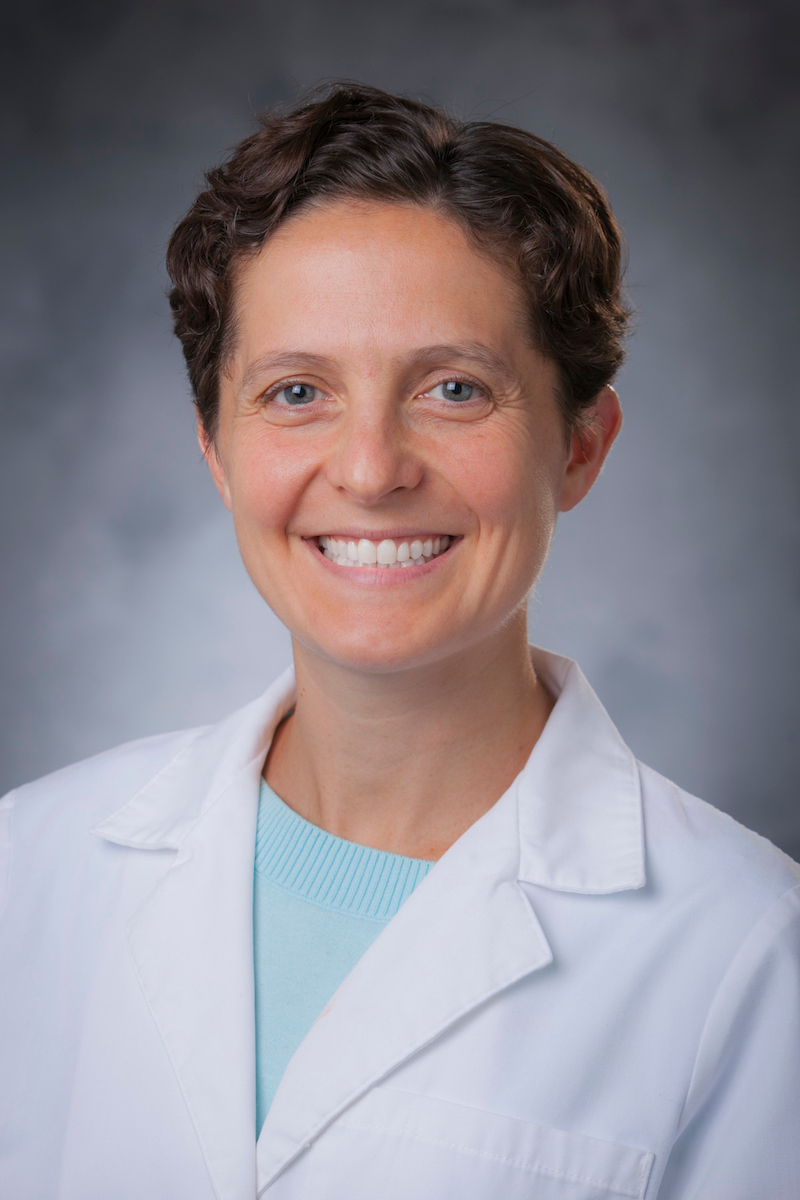
Associate Professor of Orthopaedic Surgery
Jocelyn Wittstein is an Associate Professor of Orthopaedic Surgery at Duke University Medical School. Dr. Wittstein studied nutritional science at Cornell University as an undergraduate, where she was a collegiate gymnast. She completed her medical degree at East Carolina University, followed by her orthopaedic surgery residency at Duke University Medical Center in 2009. She subsequently completed a fellowship in shoulder and sports medicine at Duke in 2010. Dr. Wittstein has also completed a CAQ in sports medicine. She was an assistant clinical professor of orthopaedic surgery for Columbia University while practicing in Cooperstown, NY before returning to Duke sports medicine.
Dr. Wittstein's research includes disorders of the shoulder, knee, and elbow, rotator cuff repair outcomes, biceps tendon disorders, patellofemoral instability, ACL injury including mechanism of injury and post traumatic arthritis, and meniscus healing. Her research has also focused on telemedicine as a tool for the sports medicine clinician. She also collaborates extensively with Duke Women’s Health on the study of the intersection of musculoskeletal health and menopause including adhesive capsulitis, arthritis, and bone health. She is a co-investigator on three NIH R01 grants addressing posttraumatic arthritis and chondral resiliency after ACL and meniscus surgery as well as risks for ACL injury including fatigue, anatomy, and sex hormones. She is a member of JUPITER, a multicenter patellofemoral instability study group, and currently serves as the medical director for the COOR…Read More