Arachnoiditis: The Severe Pain Condition Doctors Miss with Dr. Forest Tennant (Ep 188)

Severe back pain that refuses to respond to treatment may sometimes have a far more serious cause than most people realize. In this episode of Bendy Bodies, Dr. Linda Bluestein speaks with Dr. Forest Tennant, a longtime physician and researcher who has spent decades studying adhesive arachnoiditis, a rare but devastating inflammatory condition affecting the nerves in the lower spinal canal. Often misunderstood and frequently missed, arachnoiditis can cause extreme pain, neurologic dysfunction, and progressive disability.
Dr. Tennant explains what the arachnoid membrane is, how inflammation can cause nerve roots to clump together, and why people with connective tissue disorders like Ehlers-Danlos syndrome may be at higher risk. The conversation explores common triggers, including spinal procedures and surgeries, along with the symptom patterns that may signal something more serious than typical back pain.
The episode also dives into emerging treatment strategies, including anti-inflammatory protocols, neuroprotective therapies, peptides, and newer approaches aimed at reducing nerve inflammation and supporting tissue repair.
For patients living with unexplained severe back pain, and clinicians searching for answers, this episode sheds light on a condition that remains widely underrecognized but increasingly understood.


Severe back pain that refuses to respond to treatment may sometimes have a far more serious cause than most people realize. In this episode of Bendy Bodies, Dr. Linda Bluestein speaks with Dr. Forest Tennant, a longtime physician and researcher who has spent decades studying adhesive arachnoiditis, a rare but devastating inflammatory condition affecting the nerves in the lower spinal canal. Often misunderstood and frequently missed, arachnoiditis can cause extreme pain, neurologic dysfunction, and progressive disability.
Dr. Tennant explains what the arachnoid membrane is, how inflammation can cause nerve roots to clump together, and why people with connective tissue disorders like Ehlers-Danlos syndrome may be at higher risk. The conversation explores common triggers, including spinal procedures and surgeries, along with the symptom patterns that may signal something more serious than typical back pain.
The episode also dives into emerging treatment strategies, including anti-inflammatory protocols, neuroprotective therapies, peptides, and newer approaches aimed at reducing nerve inflammation and supporting tissue repair.
For patients living with unexplained severe back pain, and clinicians searching for answers, this episode sheds light on a condition that remains widely underrecognized but increasingly understood.
Takeaways:
Adhesive arachnoiditis is an inflammatory condition affecting the arachnoid membrane in the spinal canal, which can cause nerve roots to stick together and disrupt nerve signaling.
Severe back pain that doesn’t respond to typical treatments may be a red flag, particularly when symptoms worsen with sitting or include unusual skin sensations like crawling or dripping.
People with connective tissue disorders such as Ehlers-Danlos syndrome may have an increased risk due to underlying collagen abnormalities.
Early recognition and treatment targeting inflammation and nerve health may help prevent progression, making awareness critical for both patients and clinicians.
Effective pain management is essential because poorly controlled, high-impact chronic pain can significantly affect both quality of life and overall health over time.
Want more Dr. Forest Tennant?
https://arachnoiditishope.com/
Want more Dr. Linda Bluestein, MD?
Website: https://www.hypermobilitymd.com/
YouTube: https://www.youtube.com/@bendybodiespodcast
Instagram: https://www.instagram.com/hypermobilitymd/
Facebook: https://www.facebook.com/BendyBodiesPodcast
X: https://twitter.com/BluesteinLinda
LinkedIn: https://www.linkedin.com/in/hypermobilitymd/
Newsletter: https://hypermobilitymd.substack.com/
Shop my Amazon store https://www.amazon.com/shop/hypermobilitymd
Dr. Bluestein's Recommended Herbs, Supplements and Care Necessities: https://us.fullscript.com/welcome/hypermobilitymd/store-start
Want to learn more about the UVA EDS Center?
For Appointments and Questions: RUVAEDSCenter@uvahealth.org
UVA EDS: https://www.uvahealth.com/healthy-practice/advancing-care-through-ehlers-danlos-clinic
UVA EDS FAQ: https://www.uvahealth.com/support/eds/faq
UVA Pediatric Integrative Medicine: https://childrens.uvahealth.com/specialties/integrative-health
Thank YOU so much for tuning in. We hope you found this episode informative, inspiring, useful, validating, and enjoyable. Join us on the next episode for YOUR time to level up your knowledge about hypermobility disorders and the people who have them.
Join YOUR Bendy Bodies community at https://www\.bendybodiespodcast\.com/.
YOUR bendy body is our highest priority!
Learn more about Human Content at http://www\.human-content\.com
Podcast Advertising/Business Inquiries: sales@human-content.com
Part of the Human Content Podcast Network
FTC: This video is not sponsored. Links are commissionable, meaning I may earn commission from purchases made through links
Learn more about your ad choices. Visit megaphone.fm/adchoices
Transcripts are auto-generated and may contain errors
Forest Tennant, MD: [00:00:00] People with a arachnoiditis need to first off, get some pain relief and get in some autoinflammatory agents, but right behind them. These peptides may get you some permanent relief. It may be relief. We are pain 30%, 50%, and so the peptides, uh, haven't seen anybody total cure yet, but we're getting some people who are reducing their symptoms dramatically with the peptides.
Dr. Linda Bluestein: Welcome back every bendy body to the Bendy Bodies podcast. I'm your host, Dr. Linda Bluestein, the Hypermobility md. A Mayo Clinic trained expert in Ehlers-Danlos Syndrome dedicated to helping you navigate hypermobility and live your best life. I'm so excited to have Dr. Forest Tennant on the show. Today we're gonna be talking about erect [00:01:00] neuritis, which is a condition that is so frequently missed and affects quite a few people.
Dr. Forret Tennant has spent most of his medical career as a physician and researcher in the fields of addiction and pain management. He has published over 300 scientific and medical articles in these fields. During his long career, he has served as a US Army Medical Officer, UCLA professor journal editor, public health physician, and drug advisor for the Los Angeles Dodgers, NASCAR, and National Football League.
He and his wife, Miriam, had been married for 58 years. Together, they found the Tennant foundation for charitable giving and sponsorship of Erect Hope. They split their business and philanthropic activities between West Covina, California, and Wichita, Kansas. As always, this information is for educational purposes only, and it's not a substitute for personalized medical advice.
Stick around until the very end. So don't miss any of our special hypermobility hacks. Here we go.
I am super excited to tell you about the Bendy Bodies boutique. I'm so proud of our fierce styles and [00:02:00] flexible designs. These are created by hypermobile artists. For hypermobile shoppers. There are so many fun items from clothing, accessories, home goods, and my favorite are the bags. I especially love the weak weekender tote with one of the EDS tough designs.
Whether you're shopping for yourself or someone you love, there's so many options to choose from. A portion of the proceeds goes to support EDS nonprofit organizations. For more information, please visit bendy bodies boutique.com.
I am so excited to be here with Dr. Forest Te, who is truly, um, a groundbreaking researcher and physician in the space of Erect Ditis. Thank you so much for joining me today.
Forest Tennant, MD: I'm delighted to be here. I, I know about your work and I know about the problems of EDS, and I'm delighted to be here.
Dr. Linda Bluestein: Well, well, we're lucky to have you.
So, so thank you. Um, for listeners who are not maybe as familiar with your work, can you briefly explain your background and how you got so deeply involved in caring for people with [00:03:00] arachnoiditis?
Forest Tennant, MD: Well, first off, second of my day after I graduated from medical school, I entered the army because the army funded my way through medical school.
Which was pretty common back in my day. And so I served, uh, during the Vietnam War as a combat surgeon for, and I was in the military for quite some years. So I got very interested during my army time and with addiction medicine because there was a drug problem in the military. And of course, being in the army, you obviously get interested in pain and fitness.
And so, uh, after I finished my army days in the early 1970s, I had an opportunity to transfer to the public health service as an academic fellow at UCLA to study research and fundamentally go into research, if you would. Primarily, my interests were in [00:04:00] both addiction medicine and in pain. So starting back in those years.
I went right at it starting in the seventies, and I've been at it ever since. During the first part of my career, I spent most of my time with addiction medicine and uh, did a lot of work with opioids and cocaine, stimulus and alcohol, a lot of those normal things. But I also started getting very understood in, in pain.
And believe it or not, we needed to start a pain clinic clear back in the 1970s. And we started it primarily because we had people who needed opioids, who were attending methadone clinics, but they were not addicts. They were pain patients. And so that was sort of the easiest of starting intractable pain clinics clear back in the 1970s.
So I actually started my clinic in 1976, so [00:05:00] you can count the years I've been at it now for some 50 some years. It's been a great career and we've seen a lot of great things happen as time went on, one of the things that, uh, started to occur was what was causing severe pain and what was the underlying causes of all these problems?
And as time went on, I started to realize that this condition called adhesive arachnoiditis is, was a major cause of one of the more severe forms of intractable pain. And I got interested because mainly no one else knew anything about it. But to go along a little further beginning, oh, about two decades ago, I started noticing in the pain clinic that we had this condition called Ehlers-Danlos Syndrome start showing up with all kinds of severe pain problems, including arachnoiditis.
And [00:06:00] so as time has gone on. I've learned to associate the connective, genetic, connective tissue diseases with severe forms of severe pain, of which Arachnoiditis is one. And I'm one, one of the people who has stayed at these unusual conditions because it needs to be looked at. And I must say that over time, people like you, Dr.
Bluestein and myself and a handful of others, has been bringing treatment to these, this field, and we're making a lot of headway. So we've learned a lot of things
Dr. Linda Bluestein: for people who maybe have never heard the term intractable pain. And I have to tell you, I really had not heard that term before until I started reading some of your work.
Can you explain what the difference is between intractable pain and chronic pain?
Forest Tennant, MD: Yes. The term intractable pain was actually coined as far as I can tell by British physicians in the 1930s. [00:07:00] And they separated out. Pain that had no cure and no treatment from those that did. And that was the difference between chronic pain and intractable pain, intractable pain that had no cure.
And all you could do was to try to make the patient comfortable today. Uh, another term for this, and maybe a better term is palliative care or end of life care, because people who have intractable pain, if it's not treated, don't have a long life. And so that term became popular in Britain in the 1930s.
Frankly, it was kind of forgotten about. But in the early 1990s, the state of Texas decided to pass what was called an intractable pain law. And their purpose in doing this. Was to make a law that in, in patients that had severe pain and there was no cure, [00:08:00] and all you could do is make him comfortable, was intractable.
And they passed a law to where physicians could prescribe opioids to those patients without being disciplined or charged with any kind of a crime. California adopted that pain after that, and frankly, I'm like you, I was not familiar with the term intractable until the state of Texas actually brought that our term back forward from the 1930s and made a law called an intractable pain law.
And there are several states have these laws now. So when you use intractable pain to summarize it, let me say this, it's terrible, severe pain that's gonna probably require narcotic or opioid use and it's really palliative care and usually it's end of life care. For example, it might sound strange, but for one of the criteria to they have admitted to buy intractable pain clinic [00:09:00] was if we thought they would perish or die within a year if they got no treatment.
And so it's not a sad, it's a sad term to be honest about it. And so that's what intractable pain has really meant. Uh, today, it's still probably a worthwhile term, but there's other terms like high impact pain, people like that term that indicates severe pain, plain old term. The term severe chronic, chronic, severe pain is, is pretty darn good too.
The bottom line is that clinically we have certain people who develop conditions who have terrible pain that's gonna require medical interventions and anything you've got handy that might help, uh, suppose to those people who are gonna respond. To a lot of the standard things, uh, such as antidepressants, anti-inflammatory agents, epidural injections, and those kind of [00:10:00] conditions.
And so we do have in society a group of severe chronic pain patients who really are in bad shape. They've got terrible pain, 24 hours, they need extra care, and they need physicians and nursing prac personnel who understand those people and who will try to bring them treatment that really is palliative.
And it is humanitarian to mainly provide a quality of life and comfort as opposed to trying to to develop cure. And of course, there's research going on to try to re reduce the causes of intractable pain. I have focused on arachnoiditis and I no longer consider quite as intractable as I used to.
Dr. Linda Bluestein: Okay.
And I definitely want to, uh, circle back. In fact, we'll probably cover this in the second half because probably some people listening just now went, what pain can be fatal? And I know from reading your work [00:11:00] that you talk a lot about what happens with hormones and things like that when a person has been in pain for a long period of time.
So let's circle back to that part in the second half. 'cause right now I feel like people are wondering, well, what is arachnoiditis? So I feel like we should come back and kind of define that and, um, let people know what arachnoid is actually is. So can you explain to us what the arachnoid layer actually is and what happens when it becomes inflamed?
Forest Tennant, MD: Sure can. Now, first off, there is, there is a tissue in the body called the arachnoid membrane. And the best way to explain this is that all of us have a spinal canal, and the inside covering of that spinal canal is a layer, and that's called the arachnoid. Under the microscope, it kind of looks like a spider web, and that's why the Dutch called it that clear back in the 16 hundreds.
But the arachnoid is the inner lining, if you will, of the skull or of the spinal [00:12:00] canal. And so arachnoiditis, in a simple terms, is really an inflammation of that tissue. But when they talk about arachnoiditis today, the common co perception or the common disease involves the lower spinal canal. Now, the spinal canal, it contains the spinal cord, obviously, but what a lot of people don't know is that the spinal cord at about in the midway down, your back turns into a bunch of small nerve roots called the Kado equina.
There's about 18 of them. So from your back, mid back down, the spinal cord is not a spinal bit of tissue, but 18 different thread like nerves hanging down in spinal fluid. Now, if, if it so happens any of those nerve roots or nerves get [00:13:00] attached to the arachnoid membrane, you've got a mass there and that's adhesive arachnoiditis and it's a terrible disease.
It was known in the 18 hundreds as the devil's disease because if the nerve roots get attached to the arachnoid, you have tremendous pain. You have no nerve conduction to a lot of your organs from almost your waist down, and, and, and it ends up, uh, with terrible neurologic disabilities, paralysis, paralysis of your bladder, your bowel.
Uh, you become very debilitated and people who are untreated end them going to bed and dying at a very early age. So it's a terrible disease that's not treated. But today we do have treatments for us and so we aren't seeing near the tragedy that we used to. We still see people who commit suicide with a disease.[00:14:00]
We still see people who end up in bed. We still see people who end up dying before they're age 50. And so we do see tragedies, but we're getting those tragedies eliminated one at a time. And one of the reasons I'm here is that if you have Ehlers-Danlos Syndrome or another genetic connective tissue disease, you are at a higher risk than normal people to develop this disease.
And that is because the arachnoid and the nerves have the collagen that is deficient like other parts of the body. And so that's what brought me here today is that there, I used to say, I actually think that almost a third of the people today who develop it, he's either arachnoiditis, have EDS, and there are certain things you can do to try to make sure it never happens.
Dr. Linda Bluestein: And we definitely will be telling people what the symptoms are that they should be looking for and that kind of thing in just a little [00:15:00] bit. I'm so glad that you pointed out the importance and the connection because I, I know that, that people with EDS are at higher risk of erect neuritis, but I didn't think to mention that early on.
That's why we're talking about this topic. So thank you for explaining that. And also because of the fact that there are so many things that can be done, most of which is based on your work. It's so important for people to be aware of these things because we know that it's very common that they will be misdiagnosed and not offered proper treatment.
So, um, I'm so grateful to you for coming on the podcast to explain to people what erect neuritis is and why it's so important for us to be, you know, keeping our radar up to, to look for conditions of erect neuritis. Um, I know that it seems like it used to be called failed back surgery syndrome, or at least that seems like a term that was often used is erect neuritis different.
From failed back surgery syndrome as far as you're concerned, or is that the common cause of a lot of failed back surgeries?
Forest Tennant, MD: I'm so glad you brought up. Failed back [00:16:00] surgery syndrome now. Failed back surgery syndrome is a term that, believe it or not, became the term for an individual who had back surgery, but the pain never went away.
In other words, they did the back surgery usually on disc disc that is herniated. They did the back surgery hoping that they would be able to fuse the back, take out the disc, or do a surgical procedure that would eliminate the pain. Unfortunately, the surgery was done very well, usually, and they had maybe the pro paralysis was taken care of.
The person could walk, but the pain did not go away, and so those people were given the term failed back surgery syndrome. Now, interestingly enough, some concerned physicians studied these people and what they found out was that about a [00:17:00] third of those failed back surgery syndromes were adhesive arachnoiditis.
Now, there were some other causes of the failed back surgery syndrome. For example, the discs may have reached herniated. Uh, they may have had, uh, another cause, but it's not exactly synonymous, but it's close. So anybody who's been told they have failed back surgery syndrome should at least be evaluated for adhesive arachnoiditis.
Dr. Linda Bluestein: Okay, and let's talk about some other risk factors besides back surgery. What are the most common causes of erect neuritis that you see in clinical practice?
Forest Tennant, MD: The best way to describe this is historically in the 18 hundreds. The major causes of arachnoiditis were tuberculosis and gonorrhea, those two infectious diseases, and so it was infectious during that, that century Coming [00:18:00] forward into the next century, the most common cause was a die notice, panik or mayo.
And this dye that was used for x-rays sometimes was toxic and caused the adhesive arachnoiditis. My first cases were people who had adhesive arachnoiditis from this die, and this was clear back in the 1980s and 1990s. Now, coming into this century, the most common cause appears to be, I hate to say it, but surgical or medical interventions.
Most of the people. Who have adhesive arachnoiditis have two things happening. They have a risk factor or two, and then they have something like an epidural injection or maybe epidurals for delivery, a spinal tap or surgery themselves. About half the cases are people who have [00:19:00] had surgery, which are the failed back surgery syndromes, but then you have another 30% that may have had epidurals or had a a spinal anesthesia for delivery.
And it's unfortunate, but we know that out of the thousands of epidurals or uh, or spinal anesthesias that are given, we know that some very small percentage will end up with adhesive arachnoiditis. It's a risk that you do take when you have those procedures. And I'm not advocating that those procedures be stopped because they're good for a thousands of people.
But you do have that handful of people who get one of these complications. It's sort of like that risk you get with a vaccine. Somebody is gonna have a complication and you don't wanna throw the baby out with the bath water. So the epidurals have really made their mark in pain management. So has spinal anesthesia, so has spine surgery, [00:20:00] but I hate to say it, there's a small percentage of those people who have those procedures that are going to develop adhesive arachnoiditis.
Now let's talk about the risk factors for a minute. We've already talked about a major one, and that is Ehlers-Danlos Syndrome. If you have a genetic connective tissue disease, your risk of developing adhesive arachnoiditis is gonna go up If you have an epidural injection. If you have surgery done, if you even have a spinal tap, your wrist goes up.
How much does it go up is something I can't tell you except the wrist does go up. Now, there are some other risks also. One is if you have any kind of a lifestyle or you had an injury that's given you a slipped disc or a bulging disc, that you are at high risk. Anything that causes a disc to bulge or degenerate puts you at a high risk for [00:21:00] adhesive arachnoiditis.
For example, injuries. Let's say you've fallen off a roof and you've got a couple of bad discs. As a result, well you're gonna be at higher risk for adhesive arachnoiditis. Other factors that give you a higher risk for things like a sedentary lifestyle, maybe obesity's in there, diabetes is in there Also in infections, we now know that the some viruses.
Tend to put you at a higher risk. The one that has called the most attention is the Epstein-Barr virus. And statistically, if you've ever had infectious mononucleosis, you're at a higher risk for adhesive arachnoiditis. And that may be because the virus is still has the potential of reactivating or causing autoimmunity.
So we do know that the Epstein-Barr virus, either an active infection or an infection in the past, like infectious [00:22:00] mononucleosis, puts you at higher risk. So what's happening today, practically, everybody we see with active or tce OID has had either an epidural injection, a spinal tap, spinal anesthesia for delivery or back surgery, and plus have some of these risk factors one or more.
And they are the people who unfortunately may end up with this terrible disease.
Dr. Linda Bluestein: I'm glad that you as an anesthesiologist, I'm glad that you said we shouldn't throw out the baby with the bath water because of course doing labor epidurals or, you know, spinal anesthesia for a C-section especially is, is very important and safer than doing a general anesthetic.
But it's definitely something that I was not aware of as an anesthesiologist. I was never taught about arachnid. I only learned about it after I was no longer working in the operating room. So it's really important for the clinicians that are listening to this to be aware of these potential complications and for the [00:23:00] patients to be aware of potential complications so that they can ask the right questions if they're offered an epidural OID for epidural steroid injection, for example.
Or if they're pregnant and they're anticipating, you know, delivering a baby and you know, do they wanna have an epidural or, or not. Unfortunately, we don't really know, like you said, we don't really know the numbers in terms of like what the risk actually is. Right. Because of course, there's so many other variables at play.
Forest Tennant, MD: Yeah. Well, you gimme a chance to get on my soapbox a little bit here. Uh, I, I don't, I don't think that a woman wants to turn down an epidural for delivery or if the pain spatialization need an epidural for your pain management. I don't think you wanna say no to that because you might get adhesive arachnoiditis.
But what I do think is this, I think you have to have informed consent. I think you do need to know that that's a rare, not very likely possibility that you could have this. [00:24:00] Now, let me tell you my real gripe of the physicians who do spinal taps, epidurals, or spine surgery, needing to know that if you're gonna get arachnoiditis from those procedures, it happens usually.
That the patient will get severe back pain within 72 hours after the procedure, and I think that they need to be aware that there are emergency procedures you can do to prevent the adhesive arachnoiditis. So I'm on my soapbox to get doctors to know, go ahead and do the epidural, do the surgery, do the spinal taps, but be prepared to do something like a simple six day Medrol dose pack if that patient wakes up off the operating room table and has severe back pain, or says that they've got pains in their legs or they've got a terrible headaches.
In other words, post procedure pain, headaches, leg [00:25:00] paralysis. If you have those symptoms, you can get started with treatment right away to prevent the adhesive arachnoiditis. So that's where I would come down on this. We can prevent most of these cases, in my opinion.
Dr. Linda Bluestein: Yeah, that's so important and we'll definitely when we talk about treatment, I would love for you to go into more detail about those emergency procedures.
And of course people can also get postural puncture headaches as well, which sometimes they're treated with a blood patch. And a blood patch also puts you at risk for erect neuritis. Isn't that correct?
Forest Tennant, MD: Well, that's right. In other words, you're, you're not talking to the greatest fan of blood patches here.
Dr. Linda Bluestein: Yeah.
Forest Tennant, MD: Okay. In other words, I think the blood, we've got cases in which the blood passes look like caused the arachnoiditis, and there's at least one case in the literature that I know of. So blood passes have been kind of, if we don't know what to do, let's give 'em a blood patch. Well, let's get over that.
Uh, you know, you try [00:26:00] intravenous methylprednisolone as really the backbone of emergency treatment. Simple to do. Every community these days has infusion centers, has nursing services to do this, and so there's no reason why a person who develops pain in their back after an epidural or delivery can't have access to intravenous methylprednisolone, to guys try to stop adhesive of arachnoiditis.
Dr. Linda Bluestein: That's super important to, to know about. And I also wanted to just circle back to, and I'm, I'm also like, when it comes to epi patrol blood patches, I, again, I, when I was working as an anesthesiologist, we would do blood patches after, you know, for, uh, postal puncture headaches. We would do them quite routinely.
And for people who are not aware of what that is, we actually draw your blood in a very sterile fashion. And then we put the needle into the epidural space and we put blood through the epidural needle with the idea being that the blood is gonna seal up the hole. But that's a foreign substance [00:27:00] going into that potential space and can definitely contribute to that risk of erect neuritis.
And again, I had no clue about this when I was working as an anesthesiologist. Only learned about this later. So it's just so important for the clinicians listening to be aware of these things, right? So that they can really, like you said, have this informed consent discussion with the patient and really discuss, you know, what are the alternatives to a blood patch.
Forest Tennant, MD: Linda, one of the bad things about being a doctor is as you go along, you're able to look back and see what we should not have done or should have done, and there's nothing we can do about it Now. We do the best we know at the time and uh, but we all have our regrets in what we did in the past or wish we had have done in the past.
Dr. Linda Bluestein: Yes, yes, most definitely. And can you talk a little bit about why erect neuritis is so often missed and it's not even acknowledged? Why, why do patients struggle to get this diagnosis recognized or acknowledged?
Forest Tennant, MD: Uh, I think that [00:28:00] this is typical of rare diseases. The definition of a rare disease is a disease in the United States that has less than 200,000 cases, but we don't have anywhere near that many cases of a arachnoiditis.
So the problem is, is that a physician may see one case in their lifetime. They may have never heard a case or seen a case. And so how many rare diseases are there? So, to a great extent, the fact that it's rare makes it difficult to recognize. Uh, I also do think that we're a little deficient in training and teaching people about the anatomy and the physiology of the lower spinal canal.
I know I had to figure all this out myself. I never had any good teaching about it. I know when I got dug into this, I spent hours and days trying to understand the CO of a coin, uh, and the, uh, how the disc fit. [00:29:00] And what the ligamentum flam was and how the, the, uh, spinal fluid flow works. And so I don't think we're doing enough teaching on basic physiology and anatomy and biochemistry of the lower spinal canal.
It's sort of, like I said, like the heart. You've gotta study that almost as an organ. And I don't think we're doing a good job of this, because it is, it is complex. There's no two ways about it. It's not something you're gonna be able to pick up by looking at a one page flyer. You're gonna have to have a little studying on this.
So I think physicians are very poorly trained to recognize the difference in back symptoms. For example, with adhesive arachnoiditis, very few doctors know that, yeah, you've got pain in the back, but what separates you from everybody else down at the chiropractor's office? Well, I'll give you a couple of things.
First off. For some reason with [00:30:00] adhesive arachnoiditis, you get funny sensations on the skin. You get sensations on the skin down on your legs or your buttocks of either water dripping or running on it, or insects crawling on it. So one of my first things is if you get a patient who says, Hey Doc, I think I've got bugs on my legs.
You think adhesive arachnoiditis? Okay. So that's, that's number one. The second thing about adhesive arachnoiditis, which is not appreciated at all, the pain changes with position. In other words, when the arachnoid membrane gets inflamed and is attached to the co equine of nerve roots, when you sit down, chances are you're not gonna be able to sit for very long.
Okay? So when somebody says, you know, doctor, I can't sit for over five or 10 minutes, you wanna be thinking adhesive arachnoiditis, the converse of that. When the patient says, Hey, doc, I, I, I have no [00:31:00] pain when I stand up. I've literally seen it. He's either rhinitis patients who cannot sit, they must stand their entire life, eat their meal, standing, they've even got a sleep standing.
And this, these things can occur because, because the arachnoid diet usually occurs right where your spine sits down. And, uh, a lot of people with tarof cysts have this problem also. So these are the tip offs that I'd like to have every physician and nurse know. I mean, there's no reason why every physical therapist can't know these basic simple things so they can screen out these cases.
And I just mentioned physical therapists. I'm also kind of on, on my soapbox. To get chiropractors and physical therapists to recognize that he's even arachnoiditis because they see a lot of these people first.
Dr. Linda Bluestein: Yes. And, and we're gonna go into a little bit more detail [00:32:00] about those symptoms. I'm so glad that you pointed that out because knowing the difference between symptoms related to, you know, other back problems versus erect neuritis is so, so important.
So we're gonna take a quick break and when we come back, we're gonna talk about imaging and diagnosis, treatment and symptoms. Um, and we're gonna be back shortly with Dr. Tennant.
Forest Tennant, MD: I am so excited to tell you about my amazing cozy Earth products. Every night when I'm watching tv, I love to snuggle up with my
Dr. Linda Bluestein: blanket, and I literally sit there and like stroke my blanket as I'm watching tv. It is so comforting, and speaking of comforting, they have an amazing comforter that actually helps you regulate your temperature.
They also have these socks that I've just recently been wearing, and they're so great. As you may know, I have a lot of problems with my feet, and so wearing these socks has really helped my feet so much that my feet feels so much better anytime I wear my cozy Earth socks. And don't forget, they offer an incredible [00:33:00] 100 night sleep trial and a 10 year warranty.
So go to cozy earth.com and use my code bendy for up to 20% off. If you get a post-purchase survey, be sure to mention that you heard about Cozy Earth right here on the Bendy
Forest Tennant, MD: Bodies Podcast. I hope you'll enjoy your cozy Earth products as much as I do, and make every day feel intentional.
Dr. Linda Bluestein: Thank you so much for listening to Bendy Bodies.
We really appreciate your support. It really helps the podcast when you like, subscribe and comment on YouTube and follow rate and review on all audio platforms. This helps us reach so many more people and spread the information to everyone. Thank you so much again and enjoy the rest of the episode.
So we're back with Dr. Tennant. So I would love to talk now about imaging and diagnosis when it comes to imaging. What MRI findings are we actually looking for, for diagnosing erect neuritis?
Forest Tennant, MD: The MRI findings to someone like myself who looks at it all the [00:34:00] time are quite obvious, but they're not. It is not a simple thing and it's not quite as objective and stand out as you would hope.
What the radiologist will look for is what we call nerve root clumping. And, uh, you can see that now the MRI is a marvelous technology. Uh, I could give you the argument that I wouldn't be here with you today if it wasn't for the new MRI technology. The ability to inject a dye and then have it show up all the organs in the spinal column is a marvelous advance in technology.
And that's what's brought me here today is the MRI, because with this contrast, MRI contrast means you can use this dye to see the difference between nerve clumping and fluid. And you can see where the nerves are clumped. Uh, I can look at 'em and tell whether they're large, [00:35:00] whether they're emus. You can tell whether they're attached to the arachnoid.
So the definition that is, is the most hardcore is one at which you have a mass or a clump of nerve roots. Attached or glued to the arachnoid membrane. And you can actually see this now on the MRI, we have a lateral views from the side and then we have what we call the axial view, which is where you're taking pictures right from the toe to head.
And so you literally get a chance to see inside the human body. Now the spinal canal is about the same size as your index finger, but to contrast, MRI blows that up three or four times to where we can actually see these things. Unfortunately, we, since it is a rare disease, radiologists may never have seen a case themselves.
I see cases all the time in which it is missed, [00:36:00] but, and you can blame somebody, but the fact is this is still a rare disease. It's a terrible disease, but it still is rare. And so. A lot of your radiologists can darn or go through their career and maybe never see a case, but what would what'll help is if the physician who's ordering the MRI clues the radiologist in that it might be there and that'll give the radiologist a little boost.
And of course, right now the radiologists are on their learning curve on how to spot these things. Uh uh, well, in my own case, I've learned that these people who have had the spinal tap or their MRIs right after the epidural epidural or after birthing anesthesia, you don't see adhesive arachnoiditis for several weeks.
But there are signs in between. And I call that spinal canal inflammatory disorder. [00:37:00] You can see where inflammation is starting to set in to the Kato equina of the arachnoid or to the discs, and that needs to be treated aggressively to prevent disease of arachnoiditis. So I actually see that as kind of a wave of the future.
Uh, that said, I can recall five or eight years ago, you hardly ever saw a radiologist read out or call adhesive arachnoiditis. You see it all the time now. So yeah, I hear people griping about the radiologist missing things all the time. But let me tell you, compared to where we were five years ago, a light difference.
They're, they're getting the hang of it. They're diagnosing it. So we are starting to identify cases, which is great for all concerned.
Dr. Linda Bluestein: I'm glad that you pointed out that when the physician is ordering the MRI that they should really put that on the requisition that they suspect arachnoiditis or adhesive arachnoiditis.
So the radiologist knows to [00:38:00] really look at that care carefully because they're looking for a lot of different things. Right? So that's an important thing for us to be telling the radiologist when we are writing the order. Oh,
Forest Tennant, MD: oh. Along that line, let's say you're listening to this show right now and you're a family member.
If you're a family member and you know that your loved one's about to have that contrast, MRI, and you've read about arachnoiditis, don't hesitate to tell the, to the technician or the nurse or the doctor of your own suspicions. In fact, it is my opinion. That Arachnoiditis education is going on primarily because patients and families are taking information to their family doctor, to their nurse practitioner, to their pa, to their chiropractor, to their pt, their, that's how we're getting information out there.
The best education being done today is from patient to family to doctor. Okay. Which tells you [00:39:00] that our professional organizations may not be doing a very good job these days. Okay.
Dr. Linda Bluestein: Yeah. I've learned so much from my patients. It's, it's unbelievable. Let, let's talk a little bit more again about the symptom patterns that we see, uh, from these patients, because I feel like, you know, really understanding what things that we wanna be looking for specifically that should put us on alerts so that we know when we should be getting these patients imaged and what we should be looking for.
We just talked about that a little bit, what we should be looking for on the imaging, because you. You're talking about some treatments that if we actually were to, um, you know, actually get these executed early on, we can actually abort or maybe not cure, but we could make this situation a lot better. So it's really important to make sure that we all know what patterns to be looking for.
And you've already mentioned some of the things, but if you wouldn't mind kind of going over that again, that would be really helpful.
Forest Tennant, MD: Well, if you just give me my favorite question. In other words, [00:40:00] how, how do you know? Let me give you the, the way to really go about this. I think the statistics show that almost all of us develop a back pain or back problem in our lifetime.
And so here is the way it really does work. Let's say that, uh. First, it wakes up one day and they've got back pain. Now, maybe they were out doing mowing the lawn the day before. Maybe they got out on the wrong side of the bed. Who knows? But they've got a back pain. Now, what the average person does when they first get their back pain, they go to their medicine cabinet and see if they got some Tylenol or some RIN or aspirin or some benga, and they treat themselves and probably half the time their back pain goes away.
But if it didn't go away with their benga and their aspirin, chances are they're gonna call their local chiropractor. Or maybe they're physical therapists and they're gonna go down and [00:41:00] get a chiropractic treatment of some kind, maybe. Or the massage. They've got massage therapists, they've got a lot of physical therapy people out there, but they go down and get these treatments.
But it doesn't work. Okay? It doesn't work. And then they may after that, try to call an orthopedist or their family doctor, and then the family doctor or the orthopedist is gonna prescribe them a regular antidepressant, maybe some pain medication, but then it still doesn't get better. Here's the bottom line with all of this.
The person who you gotta suspect is the person who's been to the, tried their own treatments, tried acquire a proctor, tried their family doctor, and if the usual things aren't getting that better lookout, you may have adhesive arachnoiditis, because I'm of the opinion that at least 80. 90% of back pain problems get taken care of by the [00:42:00] routine things in every community.
The chiropractor, the pt, the family doctor, the nurse practitioner, the the gymnasium, you take care of a back problem. But that person who isn't getting better, who keeps saying, you know, I've been to the doctor, it's just not getting any better, this medicine doesn't work anymore. Remember when arachnoiditis is just something that's not gonna go away with chiropractic, it's not gonna go away with some NaPro.
It's not gonna go away with some pt. Uh, it's going to hang there because that's gotta be treated medically. It's in a class of its own. So the signal is the person with a back pain and it's not getting better with standard treatment that's in every community, and that's done by every one of us. Okay.
Dr. Linda Bluestein: I think the positional thing that you mentioned earlier is so important because like more of a myofascial type back problem would be bad [00:43:00] standing or sitting.
But you're saying with arachnoiditis it's really the sitting that's the bigger problem. So is that another important distinction?
Forest Tennant, MD: That's right.
Dr. Linda Bluestein: What about autonomic symptoms? Are there autonomic symptoms that often accompany the pain from arachnoiditis?
Forest Tennant, MD: Well, there are, but you'd probably know more about than I do.
Uh, the, uh, the you folks that specialize in EDS, you're the autonomic experts, uh, because you deal with such terrible cases. The Yes. With arachnoiditis you get what's called spinal fluid blockage, that massive arachnoiditis down in the lower spinal co of a spinal fluid flow. So yes, that can upset somebody trying to get outta rise up from a tear too fast.
It can certainly give you some dizziness or some vertigo, and you can get those kind of symptoms, uh, with the, uh, with arachnoiditis. [00:44:00] Interestingly enough, you may also with arachnoiditis, even though it's down in your lower spinal canal, get some tingling and symptoms in your hands and, uh, what have you.
And it's believed that most of that's caused by the spinal fluid being blocked. Think of the spinal canal this way. A small stream or creek has got a great big boulder in it backs up water and the spinal canal. That mass of arachnoiditis backs up spinal fluid, and that'll give you a lot of different funny symptoms, blurred vision, vertigo, dizziness, headache, tingling in your hands.
And so we do get a lot of that. But frankly we don't get quite the terrible autonomic substance that you get with EDS and they normally are not that bad.
Dr. Linda Bluestein: Okay. Okay. Let's talk about treatment. Let's, let's shift gears and talk about treatment. What kind of anti-inflammatory? I do wanna point out [00:45:00] arachnoiditis, for people listening itis, it ends in an itis, right?
So it's an inflammatory condition. What kinds of anti-inflammatory or neuroprotective strategies have you found most helpful?
Forest Tennant, MD: Well, this is a AKI question or one that we never understood for a long time, but the inflammation is in the bottom part of the spinal canal, and so therefore, it turns out for an anti-inflammatory agent to have be effective, it has to do several things.
One is it has to cross what's called the blood-brain barrier. And most of these anti-inflammatory agents, they work great on your knees or your joints or your muscles, but they don't get into the spinal fluid. So right there, we've cut off probably two thirds of what's called an anti-inflammatory agents.
They're not going to work in other, I can, I can tell you your motion's not gonna work very good. Neither is your aspirin. Uh, neither is your, uh, [00:46:00] nhon and even Celebrex. And these are things aren't gonna work very good because that drug's gotta get into the spinal fluid. So that'll eliminates a lot of them.
And now the, the second thing is the inflammation that is in these tissues is a different kind of inflammation. We're normally used to thinking of inflammation of being in joints or in muscles. This inflammation is in nerves and in something called the arachnoid. So these tissues are different tissues, and they don't seem to respond to a lot of the anti-inflammatory agents.
Now, unfortunately, the only a few things really work on adhesive arachnoiditis inflammation and the two main drugs that we use, one's a corticosteroid called a Methylprednisolone or Medrol, and the second one is an anti-inflammatory called ketorolac. [00:47:00] The trade name is Toradol. Now these have been the two agents that work on the inflammation of Arachnoiditis the best.
They've been the most consistent and the treatment that we use. And in fact, today we like to have those used at low dosages on a chronic basis. So that's kind of been the backbone of anti-inflammatory treatment. It's, it's kind of a new thing, but, uh, but that has been the best thing. We've come up with some of your other drugs, like di di Diclofenac works in some people Meloxicam and a few people.
But what's interesting, a lot of your natural herbal compounds do better than some of the prescription compounds, maybe because they're natural and they get in the system, but you get, uh, a lot of, uh, your natural, uh, anti-inflammatories such as procurement, uh, luteal and re, re rol, [00:48:00] uh, due toe. Uh, these thymosin, these things are natural compounds and they seem to work fairly good.
The bottom line is in treatment of erectus, we don't recommend one treatment. We recommend a protocol. We recommend where you have multiple measures trying to attack the problem simultaneously, which will get you a better result than any one single agent. So I, I personally like to see people take a combination of your prescription anti-inflammatory agents, plus some of the naturals, and also I throw in a nice anti-inflammatory diet, a lot of vegetables and fruits, for example.
Dr. Linda Bluestein: Great. And I know one of the things that I recommend quite frequently, Palm Ethan Olamide, which is abbreviated as PEA, is something that I believe I've seen in your excellent handouts and, uh, materials that you post on your website quite frequently. Is that something that you find [00:49:00] beneficial in patients?
Forest Tennant, MD: Now, this is a very, very interesting compound. Pori Olamide know that PEA is a natural chemical in the human body. The human body produces it when you're in pain. So it's actually, uh, right along with endorphins and oxytocin, a natural painted lever inside the human body. And it's, uh, and so, uh, it is now standard bill of affair.
What it does, it does two or three, it does cut down inflammation, particularly in nerves, particularly in the brain. And now German physicians have started using this at a fairly good dosage and have been reporting that they've got some pain totally eliminated after taking it for two to three months. So today I recommend that everybody who has adhesive retinitis take PEA at a dosage of 600 to [00:50:00] 1200 milligrams twice a day.
And in fact, it is such a safe compound. I think EDS patients really need to look at this compound. It seems to have anti-inflammatory properties both in the nervous system, in the brain, as well as in the spinal canal, as well as out in their joints. So PEA has been kind of a real advance for us. Nice and safe, and it's a natural compound.
Dr. Linda Bluestein: Yes. I love PEA and I, I personally take it and I've recommended it to a lot of patients. Um, can we also talk about low-dose naltrexone and, and opioids? Because I know that for some people they do ultimately end up on opioids. That's really the only thing that's going to be effective for them. But some other people, maybe they are able to take low-dose naltrexone, which naltrexone we know is an opioid antagonist.
Um, what have you found with regards to, you know, are there patients who do respond to low-dose naltrexone or what, what are you finding in people?
Forest Tennant, MD: Yeah, what's it called? Low-dose [00:51:00] naltrexone has been a great addition to what we're doing. And, uh, the, uh. The at low dosages, it's very safe at a dosage of help people start off with I, my starting dose is either a half or one milligram twice a day.
Now Naltrexone has some direct pain relieving capability plus and inflammatory capability, and it also seems to have some autoimmune suppressive effects. So it's got about three good properties and, uh, it should be, you try this on anybody who's got a mild or new case if you can. And so we do highly recommend it.
The only problem with naltrexone is we've had doctors who think that they can just give that and they don't have to give an opioid or any other pain reliever that that'll take care of their whole pain. It will not, except in mild cases. So as long as you [00:52:00] wanna use the naltrexone for partial pain relief and these other properties, it's a winner.
A great treatment, for example, is, uh, let's say a woman has just developed symptoms right after delivery or somebody, some guy's just had a spinal tap and he got the symptoms. The combination of low dose naltrexone and PEA would be a winner. That would be good and safe, and it would probably prevent adhesive arachnoiditis.
So both naltrexone and PEA have been real welcome additions to treatment.
Dr. Linda Bluestein: Okay. And you mentioned, uh, thymosin. What about other peptides? Are there peptides that you feel are helpful?
Forest Tennant, MD: Yeah, well, uh, I'm getting known in certain circles as the peptide man. Uh, but because I think the peptides are a new advance, uh, in this country.
We've had some great biochemical entrepreneurs who on their own, they weren't big [00:53:00] pharmaceutical companies, they were just small startup companies, have taken and developed what we call peptides. Now, a peptide is two or more amino acids in a chain. And peptides are, are, are nothing new about them. They're a chain of amino acid and they make metabolism work inside the body.
There's hundreds of peptides. But what these entrepreneurs have done is manipulate these amino acids, put them in different sequences, and found out that they can get some tremendous positive therapeutic effects with them. And so there are some that I, I become very, very fond of. Uh, I'm gonna give you, there are about four or five peptides with adhesive arachnoiditis that I highly recommend.
Lemme cover those for you. The first one is one called KPV. That's a, that's a compound, uh, with three amino [00:54:00] acids. That's lysine, proline, and valine. It's got great anti-inflammatory effects and so it's a great add-on inflammatory agent. Another one is glutathione. That's three amino acids put together, and it also seems to have kind of what I call an anti garbage effect.
Seems to carry out all the infectious waste and, and antioxidant meta waste. So that's been very helpful for anti-inflammatory action. Now there is one called Thymosin. Now thymosin is a cross between a hormone and a peptide. It's both, it's made in the thymus gland. It'll suppress the Epstein bar virus and it'll suppress all kinds of inflammation.
So Thymosin is again, has a real place. Now there are two peptides. That regrow tissue that are being used. One is called BPC 1 57. It's called body protection compound, and that [00:55:00] grows tissue and you can take it orally or by injection or nasally. And then the last one is one called a RA two 90. Now a R two 90.
Way specific for nerve growth, if you will. Now these peptides, in my opinion, are should be used in steps. People with a arachnoid to first off, get some pain relief and get some auto antiinflammatory agents, but right behind them, these peptides may get you some permanent relief. You may be relief, you're pain 30%, 50%.
And so the peptides, I haven't seen anybody totally cured yet. We're getting some people who are reducing their symptoms dramatically with the peptides. And I recommend that these peptides be tried. Now, I like peptides to be tried for anywhere from two to three weeks [00:56:00] after that. Don't bother. If they don't work within two weeks, throw 'em in the trash.
Okay? Don't waste your time and money for too long. But a peptide is gonna work. It's gonna work in the first 10 days. I highly recommend them. And of course we make the ones that are working for us available, but we do have for arachnoiditis about these five that we highly recommend. Yeah,
Dr. Linda Bluestein: that, that's great.
And what about finding safe sources of these peptides or the best possible formulations? What? What do you recommend to people for that?
Forest Tennant, MD: Well, I, uh, the, that's a tough one because there's a lot of companies that make 'em. Now you look on the internet and all of a sudden you've got six companies trying to sell you a product.
I mean, I think the best thing you can do is to trust to somebody who's taken them, if you can, as to what company they're using, what price they're paying. But it's very frustrating. People ask me all the [00:57:00] time, what's my favorite company? Well, I don't have one because I don't know who's the best. I do think that most of the companies that are making the peptides are reputable.
They seem to have good products. And I can honestly tell you, I don't have a single company that's selling peptides that's on a blacklist of mine that says, don't buy from them, because I've not gotten enough complaints on any one company to say, don't buy from them. So you're kind of on your own, but if you can talk to someone else, please do so.
Which reminds me of something else we haven't talked about. You know, you get into things like EDS and arachnoiditis. These are rare diseases, and you wanna try to find a buddy. Uh, I'm a great believer in trying to have people with these diseases have some social contacts. They ought to have at least one buddy, one friend who has the disease that they can talk things over with.
So I highly encourage people to try to join social [00:58:00] media or neighbors, or anybody they can with the disease. And I think that also anybody with the disease listening to this, let me challenge you with this. Let me admonish you with this. You also need to be a friend, reach out to somebody, be a friend to somebody who else has got the disease?
There aren't many people with it, and we've gotta support each other. And again, when it comes to asking about what products to try. See if you could find a friend. This not only applies to peptides, but you wanna take Kum, you wanna take marijuana, talk to a friend to find out somebody who's tried these things so you don't get taken for either a clinical reason or a financial reason.
Dr. Linda Bluestein: No, I, I agree that a lot of times we get isolated and we feel like we're just alone. And that's part of why I do this podcast because I know that not everybody can afford to go to a specialist. And it's so important. And your bulletins that you put out on [00:59:00] your website are so fabulous. And we're gonna talk about where people can learn more.
'cause I'm sure there's a lot of people listening to this whose minds have just been blown. 'cause they're like, what? I have no idea about, about any of this. Um, so we're gonna need to wrap up soon, but before we do, I would love for you to share with us, you know, maybe one or two of the most common myths that you hear about erect neuritis that you want people to be aware of.
Forest Tennant, MD: Sure. Um, the common myth is, is one, and that is. That you can deal with adhesive arachnoiditis without medications. That that's, that's a no-no. I know that Everybody likes integrative medicine, holistic medicine, multidisciplinary treatment, psychological therapies. Those are not gonna work for adhesive arachnoiditis.
You need what's called a three component medical protocol. One is a suppressed pain, two is a suppressed inflammation. Third is to regenerate tissue. You gotta use medical [01:00:00] medications to do this. And so this idea that you can deal with adhesive arachnoiditis as a psychologic problem or one of just bad physiology is not true.
So that's, uh, one of the situations there. And, uh, other myths about it are that you, that treatment is short term, unfortunately. Has to plan on this being a lifetime disease and that, that, that, that you can do it in another way. Just take something short term. You can find that one doctor specialist who's gonna cure you, and it doesn't work that way.
It's a lifetime disease and you're gonna have to put a lot into it on your own and work with your local doctors to put together a program. Don't look for that magic doctor or that magic bulletin because they don't exist. So those release two. Am I being. [01:01:00] My big gripes.
Dr. Linda Bluestein: Okay. And I have one other question before we move on to our hypermobility hack.
And I have a suggestion for the hack for you, but what can patients do if they're listening to this and they're like, oh my gosh, I really suspect that I have iritis, but they have had imaging and it's been read as normal. Now maybe the imaging was also done without contrast, and you're explaining that using contrast is important.
Um, but what should they do if they've had imaging and it's been read as normal and they strongly suspect that they have erect neuritis?
Forest Tennant, MD: Well, one thing they can do is contact our foundation. Okay. Uh, contact arachnoiditis. Hope. We hear from people like that all the time, and we don't mind. That's kind of the one thing we can do.
If someone suspects that they have arachnoiditis and their doctors have said no, either get in touch with one of the groups who have an advocate to help you, maybe find a doctor or get a diagnosis. If you have to contact our foundation, that's what we do all the time. [01:02:00] But if you do suspect you have it, don't just sit there and do nothing.
Keep searching until you get the answer you need. Okay? And, uh, uh, every once in a while I hear, well, my doctor doesn't wanna do this or that, or My doctor doesn't know this. The answer, get a new doctor, may take you a while, but start searching. They're out there. And I, I would say, we'll say one thing about American doctors right now.
I'm quite proud of them. I'm quite proud of the nurse practitioners. There's not a week goes by. I don't hear about a new nurse practitioner, PA or MD who's coming in to help a patient. They're, they're getting the call. They're, they're coming forward. They are, they can read, frankly, the treatment of these diseases.
Yeah. I'm looked at as this high powered specialist. I got news for you. A nurse practitioner can do what I can do and I can teach her in 10 minutes. Okay. The treatment is simple, but you just gotta [01:03:00] have the protocol in front of you and do it. And what I didn't wanna say is this idea that America doesn't care about rare diseases is not true.
You just gotta bring the material to the doctors, to the nurse practitioners and try to get 'em involved and they are coming forward. I'm very pleased to see that today. I've got a list of doctors I can talk about. Five years ago I didn't have anybody, and now we, we've got a lot out there who are willing to help, but are helping and we're gonna get a lot more.
So I, I just wanted to say that this is not hopeless at all, both on the delivery side and on the medical side. We're getting better every day.
Dr. Linda Bluestein: That's wonderful. And I love that your nonprofit is called Erect Neuritis Hope. I wrote a series of articles called Hope for Hypermobility. I think it's so important for people to know that there, that there is hope, that there are treatments.
Forest Tennant, MD: Absolutely. One other thing too, in closing, there is one other treatment I [01:04:00] do recommend that's called the Holy Bible. So, uh, people can stick with their spirituality with all this too. That'll help get you through, okay, these are terrible diseases and you're gonna have terrible times. So, uh, stay with your God and stay with your religion.
Okay.
Dr. Linda Bluestein: What, whatever your higher power that can help with a lot of things, whether it's your mental health or your physical health. There's a lot of studies that show that that can make a huge difference in, in outcomes. So yeah, definitely. Before we wrap up, we always end with a hypermobility hack, which is usually like a quick win.
And I know we talked about what kind of symptoms to be looking for, but, but are there also some red flags that clinicians should be aware of, whether it's maybe urinary symptoms or, you know, bowel symptoms? Are there other things that, uh, clinicians should be aware of that maybe mean that there's an rapidly accelerating case of erect neuritis?
Forest Tennant, MD: Again, uh, you wanna go back to the simple thing, that back pain [01:05:00] that's just not going away despite chiropractic physical therapy been gay or any other simple treatments. Okay? It just is not going away. That's the person you wanna suspect.
Dr. Linda Bluestein: Excellent. Um, so before we. Close, close. Can you just tell us where we can learn more about your fabulous work and where people can find you online?
If you're doing any special projects or anything like that, you can feel free to mention them now too.
Forest Tennant, MD: Sure. We have, uh, arachnoiditis Hope. If you just punch Arachnoiditis on your computer, it'll go right to our sites because we're about the only ones out there. Also, I, I, I, I send out a weekly bulletin, one page bulletin, and my goal is to have people who have the disease keep working to build the program.
One other message I have, don't assume that what you're doing today is the best. Keep working to build a better program as you go, and [01:06:00] we'll try to help that along. So, uh, our website, you can look up to see how you can get ahold of us. You can write us a letter. We try to respond to every single person.
Who, uh, who contacts us because after all, this is a rare disease. It's not as if there's one walking down ever street. So you're a rare bird out there, and we're here to help and above all give you some hope.
Dr. Linda Bluestein: Yeah, that's amazing. And I have a number of patients who have reached out to you before they found me and they shared screenshots of messages you've sent back and you've looked at their imaging and Yeah.
Forest Tennant, MD: Yeah. Keep in mind, your name is on my list.
Dr. Linda Bluestein: No, that's great. That's great. I love treating Achin patients. I feel terrible that they're dealing with it, but I I, I like treating them 'cause, you know, I know it's can be a struggle for sure. Well, thank you so much for chatting with me today. You're such a, a wealth of knowledge and it's so important for people to have this information because this is something that we can do something about.
So thank you [01:07:00] for taking the time to talk to me today.
Forest Tennant, MD: Uh, the pleasure has been all mine and I hope it helps.
Dr. Linda Bluestein: Thank you so much for listening to this week's episode of the Bendy Bodies Podcast. If you'd like to go deeper, I share additional education, clinical insights, and resources in my newsletter, the Bendy Bulletin, which you can find on substack@hypermobilitymd.substack.com. You can also help us spread the word about connective tissue disorders by leaving a review, sharing this episode, or sending it to someone who needs it.
These small actions truly make a difference in raising awareness about conditions that are still widely misunderstood. And don't forget. Full video episodes are available every week on YouTube at Bendy Bodies Podcast. As many of you know, I offer one-on-one coaching and mentorship for both individuals living with connective tissue disorders and people caring for them.
You can learn more about these options on the servicesPage@hypermobilitymd.com. You can find me Dera Linda Bluestein on Instagram, Facebook, TikTok X and LinkedIn, all at hypermobility md. As part of our [01:08:00] collaboration with the UVA Ehlers-Danlos Syndrome Center, we also wanna share some of their helpful resources for questions or appointment inquiries.
You can contact the UVA EDS Center at our uva. EDS center@uvahealth.org. Again, that's the letter R as in Robert uva, EDS center@uvahealth.org. You can find answers to common questions at uva health.com/support/ EDS slash faq. Our incredible production team is human content. You can find them on TikTok and Instagram at Human Content Pods.
As you know, we love bringing on guests with unique perspectives to share. However, these unscripted discussions do not reflect the views or opinions held by me or the Bendy Bodies team. Although we may share healthcare perspectives on the podcast, no statements made on bendy bodies to be considered medical advice, please always consult a qualified healthcare provider regarding your own care.
For more information about the Bendy Bodies program, disclaimer and ethics policy submission verification, licensing terms, HIPAA release [01:09:00] terms, or to get in touch with us, please visit bendy bodies podcast.com. Bendy Bodies podcast is a human content production. Thank you for being a part of our community, and we'll catch you next time on the Bendy Bodies Podcast.
Thank you so much for watching. If you enjoyed this video, give it a thumbs up and leave a comment below. I love getting your feedback. Make sure to hit that subscribe button and ring the bell so you will never miss an update. We've got plenty more exciting content coming your way, and if you're looking for more episodes, just click on one of the videos on the screen right now.
Thanks again for tuning in and I'll see you in the next episode.
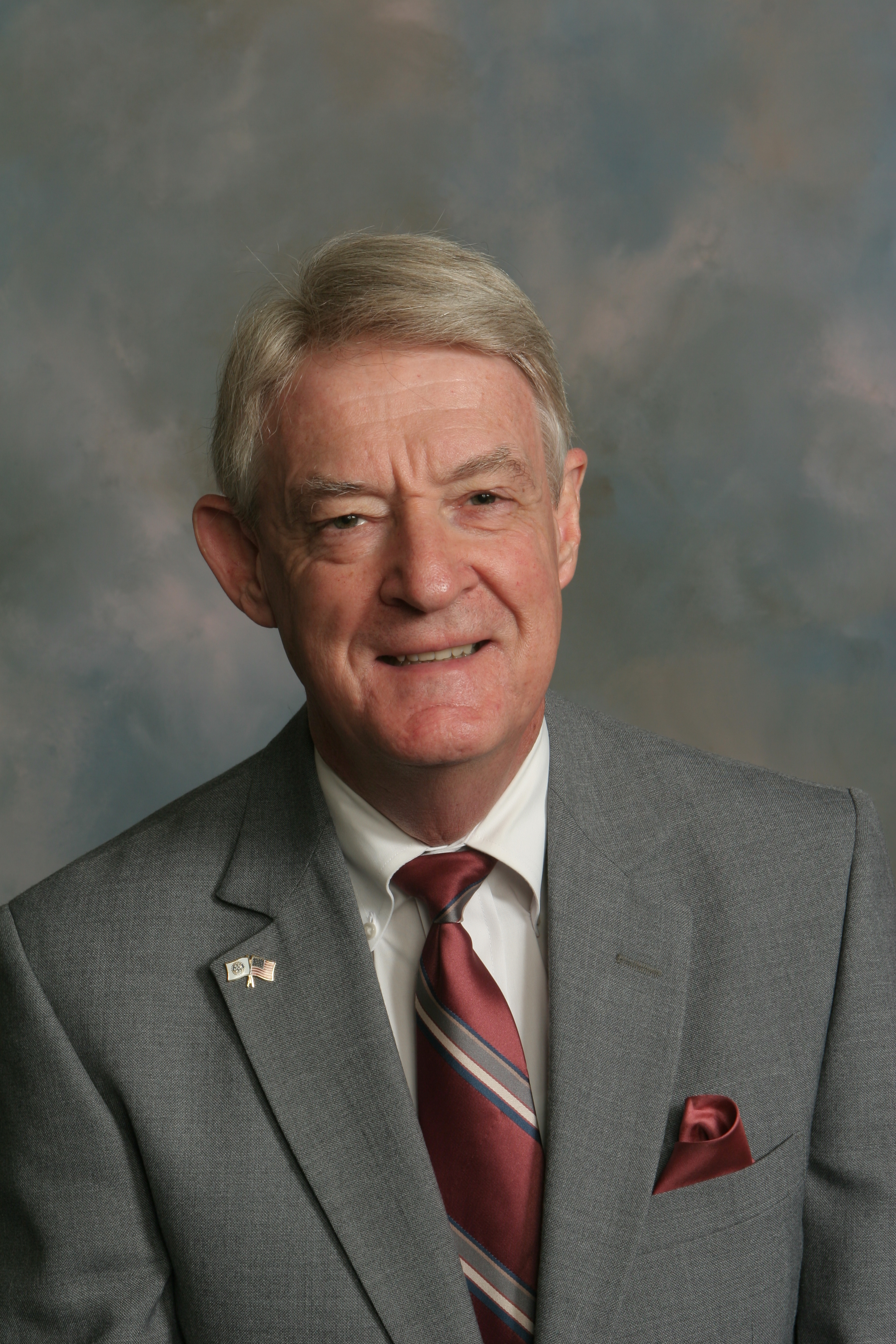
Forest Tennant, DrPH, MPH, MD
Forest Tennant has spent most of his medical career as a physician and researcher in the fields of addiction and pain management. He has published over 300 scientific and medical articles in these fields. During his long career, he has served as a US Army Medical Officer, UCLA Professor, Journal Editor, Public Health Physician, and Drug Advisor for the Los Angeles Dodgers, NASCAR, and National Football League. He and his wife Miriam have been married for 58 years. Together they founded the Tennant Foundation for charitable giving and sponsorship of “Arachnoiditis Hope.” They split their business and philanthropic activities between West Covina, California and Wichita, Kansas.