Busting Common EDS & MCAS Myths with Dr. Dacre Knight (Ep 195)

In this "MythBusters" edition of the Bendy Bodies Podcast, Dr. Linda Bluestein and recurring co-host Dr. Dacre Knight tackle the persistent misconceptions surrounding Ehlers-Danlos syndromes (EDS), hypermobility spectrum disorders (HSD), and their frequent companions, Postural Orthostatic Tachycardia Syndrome (POTS) and Mast Cell Activation Syndrome (MCAS).
Dr. Knight, Medical Director of the UVA Health EDS and Hypermobility Disorder Center, shares why hypermobile EDS (hEDS) is a serious condition even when not life-threatening, and why a negative genetic test doesn't rule out a diagnosis. The conversation dives deep into the "invisible" impact of these disorders on long-term disability and work ability, while offering hope through a better understanding of pain processing and nociplastic pain.
From debunking the idea that POTS is merely deconditioning to navigating the controversial waters of MCAS, this episode empowers patients and clinicians with the knowledge needed to look past the surface and recognize the systemic reality of bendy bodies.


In this "MythBusters" edition of the Bendy Bodies Podcast, Dr. Linda Bluestein and recurring co-host Dr. Dacre Knight tackle the persistent misconceptions surrounding Ehlers-Danlos syndromes (EDS), hypermobility spectrum disorders (HSD), and their frequent companions, Postural Orthostatic Tachycardia Syndrome (POTS) and Mast Cell Activation Syndrome (MCAS).
Dr. Knight, Medical Director of the UVA Health EDS and Hypermobility Disorder Center, shares why hypermobile EDS (hEDS) is a serious condition even when not life-threatening, and why a negative genetic test doesn't rule out a diagnosis. The conversation dives deep into the "invisible" impact of these disorders on long-term disability and work ability, while offering hope through a better understanding of pain processing and nociplastic pain.
From debunking the idea that POTS is merely deconditioning to navigating the controversial waters of MCAS, this episode empowers patients and clinicians with the knowledge needed to look past the surface and recognize the systemic reality of bendy bodies.
Takeaways:
EDS Severity: Hypermobile EDS and HSD are serious, chronic conditions that cause multi-system impairment and long-term disability, regardless of whether they are immediately life-threatening.
Genetic Testing Limits: Current genetic testing cannot rule out hEDS or HSD because their specific genetic markers remain unknown; diagnosis still relies on clinical history and physical assessment.
POTS is Systemic: POTS is far more than simple deconditioning or a cardiac issue; it is a neurologic dysfunction of the autonomic nervous system that impacts everything from heart rate to temperature regulation.
The MCAS Spectrum: While MCAS criteria are still evolving and controversial, focusing on clinical patterns and safe treatment responses can improve quality of life even when lab tests (e.g., tryptase) are negative.
Pain vs. Damage: Pain is a complex, bidirectional experience; patients can experience significant pain without visible structural damage due to central sensitization and dysfunctional pain signaling.
Want to learn more about the UVA EDS Center?
Go AquaTru.com now for 20% off (your purifier) using promo code BENDY.
For Appointments and Questions: RUVAEDSCenter@uvahealth.org
UVA EDS: https://www.uvahealth.com/healthy-practice/advancing-care-through-ehlers-danlos-clinic
UVA EDS FAQ: https://www.uvahealth.com/support/eds/faq
UVA Pediatric Integrative Medicine: https://childrens.uvahealth.com/specialties/integrative-health
Want more Dr. Linda Bluestein, MD?
Website: https://www.hypermobilitymd.com/
YouTube: https://www.youtube.com/@bendybodiespodcast
Instagram: https://www.instagram.com/hypermobilitymd/
Facebook: https://www.facebook.com/BendyBodiesPodcast
X: https://twitter.com/BluesteinLinda
LinkedIn: https://www.linkedin.com/in/hypermobilitymd/
Newsletter: https://hypermobilitymd.substack.com/
Shop my Amazon store https://www.amazon.com/shop/hypermobilitymd
Dr. Bluestein's Recommended Herbs, Supplements and Care Necessities: https://us.fullscript.com/welcome/hypermobilitymd/store-start
Thank YOU so much for tuning in. We hope you found this episode informative, inspiring, useful, validating, and enjoyable. Join us on the next episode for YOUR time to level up your knowledge about hypermobility disorders and the people who have them.
Join YOUR Bendy Bodies community at https://www\.bendybodiespodcast\.com/.
YOUR bendy body is our highest priority!
Learn more about Human Content at http://www\.human-content\.com
Podcast Advertising/Business Inquiries: sales@human-content.com
Part of the Human Content Podcast Network
FTC: This video is not sponsored. Links are commissionable, meaning I may earn commission from purchases made through links
Learn more about your ad choices. Visit megaphone.fm/adchoices
Transcripts are auto-generated and may contain errors
Dr. Linda Bluestein: [00:00:00] I think understanding that you can have damage in your body, but not have pain, and you can have pain and not have damage is I think a very important concept for people to understand and an important myth to discuss.
Welcome back every bendy body to the Bendy Bodies podcast. I'm your host, Dr. Linda Bluestein, the Hypermobility md, a Mayo Clinic trained physician dedicated to helping you navigate Ehlers-Danlos Syndrome, joint hypermobility, and complex chronic illness. Today I'm joined again by Dr. Daker Knight. Who is not only an expert in EDS HSD Pots and mast cell disorders, but is also joining me as a recurring co-host.
Today we are going to be talking about some common myths related to EDS HSD, POTS and MCAS. As always, this podcast is for educational purposes only [00:01:00] and is not a substitute for personalized medical advice. Stick around until the very end so you don't miss any of our special hypermobility hacks. Let's get started.
Well, I'm so excited to be back with Dr. Knight, who is the medical director of the UVA Health EDS and Hypermobility Disorders Center. Thank you so much for joining me again.
Dr. Dacre Knight: Thank you. Yeah, always a joint, a pleasure to be here.
Dr. Linda Bluestein: Wonderful. Well, I'm super excited about this conversation because, we hear so many different myths, right?
Myths about EDS, myths about joint hypermobility, and POTS and MCAS and all the things. So we're gonna talk about a lot of those myths today. And see how many of them we can bust.
Dr. Dacre Knight: Myth Busters, the EDS version, right?
Dr. Linda Bluestein: Yes, exactly. Myth busters, EDS version. So, so I wanna start with one of the really important ones, and then we're gonna kind of get into some more general things that maybe you feel like you really want to, you know, say, [00:02:00] Hey, this is a myth that I hear all the time and let's just clear this up like once and for all.
but let's start with something kind of specific, which is why, you know, people say, oh, well no, EDS isn't serious unless it's vascular. I feel like this is a myth that persists. And of course we know that vascular EDS is very serious, but so are the other forms of EDS. So what are your thoughts about that myth?
Dr. Dacre Knight: Well, for sure, and that is a myth indeed. Because, I mean, how do we put it in context of what's serious? I think that's the question because historically. my take on it is that medicine has, you know, defined severity by immediate mortality risk, right? We think about emergency situations chest pain, right?
Call 9 1 1, right? And, so there's kind of, it's got this, relationship, but it hasn't really had that relationship, a long-term disability. And that's where we see, the H [00:03:00] EDS and the hypermobility disorders fit into, because while yes, vascular EDS and some of those other rare severe types certainly are dramatic and life-threatening, these other types, you know, common types and they can certainly cause chronic multisystem impairment, that is less visible, but certainly has a tremendously profound impact.
And, certainly that impact is long lasting.
Dr. Linda Bluestein: and I'm sure you've had patients and or heard stories about people who have passed away. Related to complications from EDS. Right. So even though Hypermobile EDS itself is not technically considered life-threatening, although my life insurance company sure did view it that way, when I was trying to get life insurance and they saw Hypermobile EDS on my medical records and they didn't want to insure me.
So that was interesting.
Dr. Dacre Knight: Yeah. that's the whole point of what we try to do is recognize it when it is manageable. Right. 'cause it's [00:04:00] not severe until it is and we don't want to let it be severe.
Dr. Linda Bluestein: Right. Right. Exactly. And there's people that have, you know, because they've ended up with central lines and things like that, and then they get an infection or get septic or whatever.
There's a number of cases that I am aware of young people in their twenties that have passed away due to complications from hypermobile EDS. So it's just so important for us to know that. These conditions are definitely serious. They can carry some very serious complications. And for our clinician colleagues to be aware that, when, especially like we talked about in a previous recording, especially when we don't address things at an earlier stage that can lead to other sequelae, that can really be problematic.
Dr. Dacre Knight: Absolutely. Yeah. And, as we just said, we don't want it to be problematic, so that's why we have to do, really do our due diligence to recognize these things as early as possible.
Dr. Linda Bluestein: And there's a lot of myths around genetic testing [00:05:00] also. So what do you wanna say about the myths about genetic testing?
Dr. Dacre Knight: Well, you know, there is, because I think that the, what that lies in, to bringing up is the, questions about when we come to treatment or testing, we want the, quickest answers. We want the, most complete answers. It's gonna give us the best description of what's going on. The problem is genetic testing.
While it can be very accurate, very specific, if we're looking at specific mutations or variants on specific genes, it can answer a lot of questions. but, and so what, we have certain subtypes and identified mutations for those subtypes, but it cannot rule out conditions like hypermobile EDS, where the genetic basis is still unknown.
And hypermobility spectrum disorders are likely much more multifactorial than just genes. So, while there may be an [00:06:00] influence, there could also be epigenetic or environmental, you know, external exposures that affect our genes. And so that differs from person to person, really, whatever they, whatever condition they're living in.
So while genetic testing is helpful, it's not, you know, always the most helpful that we want it to be.
Dr. Linda Bluestein: and when do you think that genetic testing is indicated and people who are presenting with. Symptomatic joint hypermobility. 'cause I feel like, you know, at least for me, that kind of, that needle has moved over time.
So what are you currently doing about that?
Dr. Dacre Knight: Well, yeah, as the proverbial needle moves we do, I, and I would love to see it continue to moving in that direction that we have more of these testing capabilities, you know, that we have quicker and easier and more accurate genetic testing. because I think it can fit in well into a precision model of healthcare where we're, we are able to do some testing to figure out the differences from one person to the next.[00:07:00]
We're not all the way there yet, but I've, I'm hopeful that's where we'll get, so right now. Where we are is we have to look at the patient and their medical history and their family history to infer any red flags that may be evidence. So, you know, history of sudden death in someone who's young in the family history of aneurysms and immediate family members.
We talk about immediate family, meaning, you know, parents, siblings, and children. And, and then those can inform us whether there is a, genetic disease that may be present, that may be found on, genetic testing. but ultimately if we have a negative test result, that doesn't mean you don't have EDS or H EDS or hypermobility spectrum disorder.
So we always have to be thinking about that next step too.
Dr. Linda Bluestein: And I think that's another one of those myths that continues out there, which is that a geneticist is required in order to diagnose hypermobile EDS or HSD, and neither of us are geneticists. and of course we have [00:08:00] diagnosed plenty of people with hypermobile EDS and with HS.
So I think it's just important for people to be aware that what really is required is a person who has, well, first of all, the ability to diagnose, right? So the person has to be a, you know, an md, a do, it could be a nurse practitioner or a physician assistant, right? As far as I know that those are the basically four categories.
And then also the person has to have the right knowledge and training and time to do the proper assessment, in order to make the diagnosis, but they don't have to belong to any particular specialty.
Dr. Dacre Knight: Right. and certainly these areas too, where there is still a huge unmet need. It's really any specialty who's willing to take the time to learn and understand and educate themselves on the diagnostic evaluation, the criteria and things like that, that, you know, it, can really be any of those, like you mentioned.
Dr. Linda Bluestein: 'cause that's another myth that, you know, these conditions are rare. Of course, that's like probably the biggest myth [00:09:00] there is that these conditions are rare and also that a lot of clinicians won't be seeing patients with these conditions. But I would argue that every clinician, what, regardless of your specialty, you know, virtually every clinician is going to see people who are somewhere on the spectrum of symptomatic joint hypermobility.
Whether they meet the full, you know, current 2017 criteria, diagnostic criteria for hypermobile EDS or not. Of course we have the road to 2026, so we'll see what that new criteria looks like. But regardless of your specialty, if you're a clinician and you're listening to this right now, I pretty much guarantee that you have these patients in your practice and once you start seeing them, you won't be able to unsee them.
Dr. Dacre Knight: And, ideally then you can provide them the tools and resources to help them. And I think patients then just understanding that there is someone who's learned and. And has listened to them and has then the knowledge to, to try to help them rather than just, referring them on to the next provider.
I [00:10:00] think that's, it's a huge bonus for those patients.
Dr. Linda Bluestein: So a lot of times patients will come to me for their first appointment and they will share results from direct to consumer, quote, genetic testing. but I really worry about the accuracy of those results. And I have discussed that with both Dr.
Claire Fran Amano and Dr. Ep Atal. what are your thoughts on those types of testing processes?
Dr. Dacre Knight: Yeah, I'm, in the same group, thinking as they are. And I generally, in my practice, I generally find them less helpful than helpful. there's a couple things at hand. One that you mentioned is it's hard to discern the reliability of that testing site and what they're doing and how they're doing their testing.
and so that, that can vary. I mean, there can still be some good ones out there, but there's also this added anxiety too that comes with, unexplained test [00:11:00] results and, what it means. and that's not to say that, you know, we want to ignore the fact that there may be, you know, something at hand.
We just want to go through it in the right process where patients can get the counseling and feedback that may come with any result. And so that's, and that's part of the whole consenting process that we go through when we consent patients for genetic testing, is that, you know, their awareness of what they may find or may not find and the ramifications of testing.
so I'm, I am generally pleased to see that, the technology is expanding and it's growing in availability and the cost is coming down. But I think we still have to be very careful of, how we're doing it. And we still have to be very careful, as always, as. As the analogy of snake oil salesman has been around for many years, that there's still plenty of people who would be very willing to take your money.
you, you know, if they are espousing these, [00:12:00] you know, great visions of all of the answers being explained to you, you know, through whatever testing service they offer. So just, you know, be careful of it. We, and we certainly as providers, want to have everyone as informed as possible and, you know, we can counsel them when they see us.
Dr. Linda Bluestein: Yeah. And I've noticed too that they'll often have like a little asterisk at the bottom, you know, not to be used as medical information or, you know, something like that. But at the same time, then they'll say, well, yeah, this gene is consistent with hypermobile EDS. And it's like, well wait a second, but we don't know the gene or genes for hypermobile EDS yet.
So it's, that, that's something that definitely I think needs more, study and exploration. 'cause people are. They are desperate, they are resorting to more and more of those kinds of tools on their own.
Dr. Dacre Knight: Yeah, I've seen that a lot for sure.
Dr. Linda Bluestein: Yeah. What other myths do you hear commonly about EDS and HSD?
Dr. Dacre Knight: Well, a, a lot of those [00:13:00] things that, you know, I was just talking about earlier is related to impact of the disease. And I think, you know, we talk about invisible illnesses. I think that's a very good description, but I think that there's a better way that we can explain that as researchers and clinicians.
And, this is part of some of the research we're doing at University of Virginia, is to understand that at least if we can, you know, try to add some clarity on the impact of disease. If, you know, if nobody believes us that you know that the symptoms are real and the symptoms are severe, how can we define it as the impact on someone's.
Not only quality of life, but also what they do as an occupation. And clearly there will very likely be an impact on their work ability. And so this is some of the, you know, recent data that we've been collecting in and, how these conditions impact someone's ability to work. whether it's, you know, work hours lost or job promotions not achieved.[00:14:00]
there's a number of ways that we can look at it. And, there have been other conditions too, in, in similar sequence that have highlighted that. I think that's you know, where we're going with it. So, you know, the long-term disability effect as I was alluding to earlier, because I think that is, a myth.
I mean, yes, we need to put all the funding and effort in into what we can to understand dementia and cancer and all, of these other things. But, you know, there's certainly no reason to ignore this and, minimize it because these are, there's are profound effect on patients' lives.
Dr. Linda Bluestein: And often very, young people's lives.
So they have many decades ahead of them. So if we can get them feeling better and functioning better, that's, you know, a huge win for many, decades. And if not, then, you know, it is important for everyone, the family, the person to understand that, you know, these conditions can be extremely disabling. So, so you're already [00:15:00] researching this at UVA 'cause you just started not too long ago.
Dr. Dacre Knight: Right? Right. Well these are some of the research ideas we'd already started from Mayo Clinic and, and we've just continued on that. And, I know others are interested in this too. So we have a large data set that we can interrogate and, I think that will be, would be effective because I, you know, really just as you mentioned, it's, we as human society are really only as good as we can help those who are the sickest.
Who are the weakest, who are the most in need. And so what can we do, at least to highlight that there is a need here to begin with. And then we can focus to have hopefully, you know, more resources and funding and things like that into getting better research and better treatments and so forth into the future.
Dr. Linda Bluestein: Fabulous. Let's shift gears a little bit and talk about, dysautonomia and specifically pots. 'cause pots postal orthostatic tachycardia syndrome is something that we see, of [00:16:00] course, a lot in our patients with Ehlers-Danlos Syndrome and hypermobility spectrum disorders, et cetera. So we know that POTS is often dismissed as you know, oh, well you're just deconditioned.
so what are your, what would you say to clinicians who think that POTS is just deconditioning?
Dr. Dacre Knight: Yeah, it is that and a lot more. And I think that is probably linked to some early research, linking symptoms to you deconditioning, but you know, reduced fitness overall. And then clinicians and the lay people then focus on heart rate changes.
So we are getting like specific parameters, and, specific diagnostic criteria. And we can go into a whole nother discussion about that of, you know, the, pros and cons or the advantages and pitfalls of diagnostic criteria. But one of the big pitfalls I would say is seen here in this area of pots.
and that is that the broader [00:17:00] autonomic disorders in the broader systemic context is lost in that.
Dr. Linda Bluestein: Yeah, that's really important because I think that sometimes people get sent to the cardiologist, and the cardiologist may or may not do, you know, orthostatic vitals in the office. They might do them briefly.
They don't do them for the full, you know, 10 minutes after the person is standing and, or even if they do diagnose the person with pods. This has happened with a lot of my patients where they're. Left to believe that they have like a cardiac problem and not a neurologic problem. And like you said, not the actual systemic, like this affects your entire autonomic nervous system, which is the automatic nervous system which controls your digestion, your breathing, your heart rate, blood pressure, et cetera.
Temperature regulation is of course an important one in there. so yeah, I feel like it's so important for, other providers to, realize that first of all, especially since we've had, COVID, the COVID pandemic, that, pots and other forms [00:18:00] of dysautonomia are much more common, and they used to be, and that it is a spectrum like everything else.
So it's really important to recognize when people are somewhere on that spectrum because there's a lot that we can do to help those patients.
Dr. Dacre Knight: Y yeah, that, that couldn't be more true. And I, think that. You know, once we understand, and there has been some very good research coming into the COVID effects of, causing autonomic dis dysfunction.
And then I think that we then have a better understanding altogether that, while the criteria is useful, certainly for clinicians and maybe those unexperienced clinicians to know when things are present or not present, we have then a better characterization overall outside of this criteria, what patients look like and kind of what their symptoms are.
'cause I think what we go back to a lot, and we want to encourage patients on this message too, is that the symptoms are there whether the criteria is there or not, right? And your symptoms are your [00:19:00] symptoms. And so if it's the criteria that's an issue, then that's the criteria. That's not a fault of your own as a patient.
it's upon us as clinicians to understand those and what those may be related to and ultimately how do we address them.
Dr. Linda Bluestein: Most definitely, because that's the thing with the criteria. Okay, if your heart rate's supposed to go by 30 beats per minute, but your heart rate goes up by 28 beats per minute, does that mean you don't have pods?
you know, and, so that could be very frustrating for a lot of people. And I know people who have been assessed for pods, told they had pos, and then they went back for a follow up and, you know, did a net repeat tilt table or something and said, oh, you no, no longer have pots. And they're like, well, wait, what do you minute, what do you mean?
I still feel terrible? So how could I no longer have pots?
Dr. Dacre Knight: I, you know, I was discussing this very topic too with some colleagues, and there's actually not, there's now some pretty good data on it. Looking at, there was heart rate figures and for some groups of younger patients, and they looked at, using a hundred beats per minute as a cutoff, [00:20:00] which we typically define as tachycardia, right?
Anything over a hundred and above is tachycardia, is abnormal. Then the question is, there difference in symptoms with that predefined tachycardia measure? So anything above it or below it. And, the fact was there was no difference in the symptoms and the overall presentation, just by that, heart rate and, the cutoff of a hundred beats per minute.
So, you know, yeah. We have to be very careful when we make those judgment calls.
Dr. Linda Bluestein: Right. And then the other thing that I'm thinking of as you're saying that a lot of people, even if we, you know, leave them supine and kind of, usually I like to have people laying down for like 10 minutes before I check their quote baseline vitals before I get them up.
But a lot of people are maybe anxious about the fact that you're going to be doing this, you know, either a tilt table test or the orthostatic vitals. So maybe their heart rate's gonna be faster than it would normally be anyway. So looking for that difference of 30 or 40 beats per minute, depending on their age, might be harder to find.[00:21:00]
Dr. Dacre Knight: or how about patients who have maybe already had some I idea that this may be what they're suffering from and they either take it upon themselves to learn about it and then treat it. And so it improves some of their symptoms and conditions a little bit. Maybe they're taking extra salt or fluid or things like that, and then they go get testing and the testing is normal.
Right. And then what do you say about that? Well, okay, you're treated or you have the condition, right? And so being told that you don't have the condition is incorrect. So it's really, it's got a lot of, nuance to it.
Dr. Linda Bluestein: Right? Right. And then I know there was a study that looked at patients with, with pots and they showed that, at least in some people, their heart rate increase actually started before they actually did the tilt.
And so they were saying, well, that must be psychologic. But you, if you also think about, you know, there's a lot that it goes into your heart rate, right? And so there's, there could be a condition response of, you know, well every time I stand up, my heart rate goes up and now they're gonna do this to me. So, you know, it's if you have insomnia and then you get in bed, you're not gonna sleep well.
'cause you [00:22:00] associate your bed with not sleeping well.
Dr. Dacre Knight: Yeah, exactly. Yeah. Yeah. And, that's why in, and some of, in our best research studies, we have to control. For placebo and other variables as best we can because it, it clouds the picture and so it just the same, it clouds the picture when it comes to diagnostic testing.
And, so yeah, we have to be very mindful of that.
Dr. Linda Bluestein: And when it comes to pods, as you were saying, clearly this is a multisystemic problem. It's not a heart rate problem, although the heart rate is definitely, you know, one of those things that we see impacted. I often do the Compass 31 as one of my like scoring tools or, monitoring tools.
do you use that or do you use something different? Because I know there are multiple different tools out there.
Dr. Dacre Knight: Yeah, actually I use the Compass 31 too, and, none of them are perfect, but I think it does give us some objective measures so that we can get an idea of what's going on. And I think that's really the way that we need to consider this, just the diagnostic testing in, general.
That it's, it is [00:23:00] added information. It's all sort of helping us paint a clinical picture. But we ultimately have to use our judgment. How do we piece that data together as, clinicians.
Dr. Linda Bluestein: Let's switch gears and talk a little bit about mast cell activation syndrome. talk about something that definitely can be controversial, right?
Dr. Dacre Knight: Oh yeah, that's right.
Dr. Linda Bluestein: Yeah. it is so tricky because there are schools of thought where, you know, you'd have to meet more strict criteria. There's schools of thought where, you know, maybe we need to be capturing more people casting a wider net because some of the treatments can be so safe. And why do you think that MCAS is so controversial?
Dr. Dacre Knight: Well, I think controversy lies in the lack of understanding and knowledge, just to start with, right? And, you know. Lack of evidence, that's always, you know, a very vulnerable area to start a controversy between conspiracy theories [00:24:00] out there and anything else. Right. You know, we, start just conjuring up things out of, thin air.
so, so that's, I think, a starting point. so diagnostic criteria are out there, but they're still evolving. Testing is certainly imperfect. and then, and the symptoms themselves over overlap with so many other things. mean, we're talking about mast cell symptoms and you can't target just one organ or just one body system because it can really, I mean, we talk about EDS and HSD being, you know, connective tissue head to your toe, but, you know, we kind of focus on musculoskeletal and things like that.
But mast cell really goes, just across the board as things that, that it can relate to and symptoms it can cause. And so I think that's why, and I, you know, and. Then an advocate of, you know, let's, you know, let's do the research, let's get the knowledge improved and let's understand these conditions better.
And I think we understand them, not by ignoring them, but [00:25:00] by just looking into it and keeping an open mind and, you know, bringing it all considerations as we can.
Dr. Linda Bluestein: Yeah, totally agree. I mean, we need so much more research when it comes to these three components of the, if you wanna call it the triad or the trifecta.
some people call it the evil triad. It's so many people that are being impacted and affected in their quality of life impacted. So we desperately need more, research, more information. And that's why it's so exciting what you're doing at the University of Virginia, because I think your work already has helped a lot of people, but it's gonna help a lot more.
Dr. Dacre Knight: Well, and that's what we wanna do. And, you know, that's what we wanna do here with this podcast is we want to help and educate and. And, you had a very good session with Dr. Rin. And, I, you know, I, think that anyone who is brave enough to go into the field of understanding mass activation is doing a great service to us all.
Because, as I just said, you [00:26:00] can't shy away ignoring the problem is not gonna make the problem go away, then it is a real problem when there is controversy because what we end up with is this, then, you know, we have really kind of two schools of thought as you described it. and one where, you know, we might call it consensus one or consensus two, where, you know, one has been labeled as a group that's very, got very strict criteria and is under diagnosing patients.
And then that group sort of frames the other group. As, you know, having two criteria is too loose and, over diagnosing it and whatever the case may be, patients are the ones that are left to suffer when, they're on either end, when they're, you know, patients are either being overdiagnosed or, underdiagnosed.
So. We really have to narrow that gap. and, you know, I applaud, like I said, anyone who's willing to take the time to study it and look into it, because there's, there is a lot of, there is a lot of effort into understanding mass activation better. and, you know, I personally, you know, [00:27:00] as a shared similar approach to your guests who have discussed on mast cell activation from Dr.
Mayland to Dr. Re is that I personally just really just want to help the patient and, what can we do, you know, to that end that's safe and effective and it's going to afford them the best outcome, you know, to get them back to functioning, you know, with ease without all of these symptoms that may be related to mast cell activation.
Dr. Linda Bluestein: I agree. I often tell people, you know, let's worry less right now about, you know, do you actually meet the criteria for mast cell activation syndrome or are we gonna call this mast cell activation unspecified and we're gonna start to work on improving some of your symptoms. Let's, you know, focus on the labels later and maybe think about, and I know some people would disagree with that approach, they feel like the diagnosis is important to establish first.
But like you said, at the end of the day, it's about the patient and what can we do to improve their quality of life? Because usually by the time they get to us, they're really suffering and they've been suffering for [00:28:00] many years, and in some cases, decades.
Dr. Dacre Knight: Yeah. it's exactly right. And that we don't want to see any more suffering.
and I think, you know, you mentioned, you know, some people may say that's not the right approach. I think the right approach is whatever we can do to help a patient. and the misconception though, with taking the right approach to the wrong approach is that just like we were talking about genetic testing, if the lab tests are inconsistent or negative, the misconception is then the disease must not exist.
The, disease is not there. but the reality is that there are so many. Other complexities to these disorders that we're discussing. HSDH, EDS and mass activation. These are biologic biologically complex and episodic. And so the testing is not going to give us all the answers that we wanted to at this point.
You know, I'm hopeful for the future when we get there, but right there, right now, we're not there.
Dr. Linda Bluestein: Wow. You just hit the nail on the head. I think that's so, so [00:29:00] important. I think that so often people think that we, you know, live or die by the test results, but every test has limitations. Right? Whether it's imaging that we're doing or labs or whatever the case might be.
So that's so important. you said this at the, I think the beginning of our last conversation about listening to the patient and William Osler, the quote, you know, listen to the patient, they're telling you the diagnosis.
Dr. Dacre Knight: Yeah. That's it. And, you know, we have to think about every patient because every patient has a different story.
And then, you know, I, hate really the concept. Spectrum diseases, you know, it's autism spectrum, hypermobility spectrum, because I think it exhibits our lack of knowledge and we just throw a spectrum out there and it captures everyone. And eventually, I, am hopeful that we'll get to a point where we actually have better classifications.
but you know, right now we do have to understand that it is a spectrum because there are certainly different presentations, some with more severe presentations, some with milder presentations. And [00:30:00] so we as clinicians have to understand the clinical patterns and the treatment response that may be elicited with whatever treatment tools we have, in e every individual setting.
Dr. Linda Bluestein: Well, we're gonna take a quick break and when we come back we are going to talk about more myths about MCAS and also about pain. So we will take a quick break and we'll be right back.
I am super excited to tell you about the Bendy Bodies boutique. I'm so proud of our fierce styles and flexible designs. These are created by hypermobile artists. For Hypermobile shoppers, there are so many fun items from clothing, accessories, home goods, and my favorite are the bags. I especially love the weak weekender tote with one of the EDS tough designs.
Whether you're shopping for yourself or someone you love, there's so many options to choose from. A portion of the proceeds goes to support EDS nonprofit organizations. For more information, please visit bendy bodies boutique.com.
We're back with [00:31:00] Dr. Knight and I just wanted to talk a little bit more about Mast Cell Activation syndrome and mast cell activation, just because I feel like this is an area that is so full of myths. Now I'm thinking back to when I first heard about Mast Cell Activation Syndrome. And I was thinking, now wait a minute.
It feels like they're lumping just everything, right? Like you could have constipation, you could have diarrhea, you could get full easily, you could eat a lot. You could gain weight. You could lose weight. Like, wait, this is like everything. So how do you think we should be thinking about mast cell mediated disease?
Well,
Dr. Dacre Knight: I think we should start with that thought in mind, that there's a lot of things that can be lumped together, and that's generally the approach we take with matters related to EDS and HSD, is that there can be so many things that it's causing. So we want to start with by casting the widest net, right?
To try to include as much as we can. We talked about M's. Razor before [00:32:00] and, so on. but, in, in, in doing that, then that net is also meant to be cast, to catch anything else that could be causing those symptoms. So we're looking at other organic dysfunction in the body, so other organ systems, other autoimmune diseases, other allergic immunologic, conditions that, that can kind of fold into it.
So I think that's the right approach to take. I think we do lump in things in general, but what we want to get to is a point of like, okay, you know, we can work on differential diagnoses all day long, but what is that going to get us towards the next step in, in getting to treatment? fortunately, and I would say in the, this area of controversy related to mass activation, syndromes, that there's a variety of treatments can be used.
And fortunately, some of the, first stages of treatment are relatively safe. [00:33:00] So, you know, I'm comforted by knowing that we can start with some treatments that are safe and easily accessible enough and. And we can find some responses in those patients, so that, that is reassuring. but you know, there can certainly be more severe cases that are, you know, treatment resistance and then it gets pretty quick.
Tricky,
Dr. Linda Bluestein: and it makes sense, right? Because mast cells are present where we interface with the environment. So on the skin, in the digestive tract, in the genital urinary tract, you know, it can create a lot of havoc in the body and of course ne, you know, laying next to nerves and affecting connective tissue.
So, you know, we know that this is so inter intertwined, which course makes it really, challenging to sort things out. But it's also a very exciting time, I think, to be in this space.
Dr. Dacre Knight: Well, yeah, and that's really what excites me the most about what we're doing here at the University of Virginia. What I am working with other colleagues at other institutions across the [00:34:00] country and.
My colleague's still there at Mayo Clinic, and, that is understanding the human body, but the human condition better in general. And we are far from knowing everything there is that can be causing problems and symptoms and any human being. And if we get to a place where we are understanding the pathophysiologic mechanisms, meaning the steps and sequence to disease, and, we get a better understanding of that, then when we get to better treatments, I think we get to a better understanding that we are better at having precision medicine at our disposal.
We're better at understanding one individual condition, an individual experience versus another. based on when you hear about those, the omics, so their, you know, proteins, structures in their body, their genetic, condition and makeup in their body, the exposures, the environmental, conditions that they've been exposed to.[00:35:00]
And so there's so much that we can do with that. And that's what really excites me the most about, about this research and going to this field is I think that we're un unlocking some very big answers. for anyone who's working in the medical field.
Dr. Linda Bluestein: Most definitely. I also wanna talk about pain because we know that is such a common, presenting concern with a lot of patients that have, hypermobile EDS and HSD especially, but of course other forms of EDS as well, and other connective tissue disorders like Marfan Syndrome, Louie Dietz, et cetera.
So I know that when I first learned, and I was working as an anesthesiologist, I was in practice for a number of years, but I was having so much pain myself. And I actually watched a lecture by Dr. Dan Claw, who you probably know who he is. Yeah, Fibromyalgia, guru. So I was watching a lecture by him on YouTube.
It just [00:36:00] blew me away. 'cause I hadn't really studied about pain processing for, you know, many years since my residency. And when I heard that, you know, pain does not equal structural damage, that there's all these other factors involved in pain processing, that was really a pivotal moment for me in improving my pain that I had in my body.
And I think this is one of the biggest myths that is important to, to correct. It's not that it's, you know, it's not that you're making it up, it's not that it's, you know, it's quote in your head, but it's not quote like in your head as in you made it up in your head. But, I think understanding that you can have damage in your body but not have pain and you can have pain and not have damage is I think a very important concept for people to understand and an important myth to discuss.
Dr. Dacre Knight: Well, absolutely. And, this is a huge paradigm shift in medicine in general in our understanding of pain. And I don't think that we've really grasped it all. And I don't think [00:37:00] we accept that, that shift so much in, in medicine and healthcare. And, you know, really I should ask you, Dr. Bluestein, since you're the expert on this, I've actually learned a lot from the papers you've written on this.
but, you know, I think this is where a lot of our patients get misunderstood. And as you mentioned, so thinking about pain as structural damage and there must be a smoking gun somewhere, right? And, in, in the cases of our patients with this hypermobility disorders, there's not a smoking gun.
But, yet there still is something there. and we are actually getting better at characterizing that and studying the conditions of pain in the lab. And, you know, I guess, this is, my offer to you to, share the understanding of our. progress in, in characterizing neuroplastic pain over the years.
Dr. Linda Bluestein: [00:38:00] Yeah, it's fascinating because no castic pain is, okay, so there's, you know, the different types of pain, right? There's nociceptive pain, which is more directly related to actual or potential tissue damage. Neuropathic pain that's in the nervous system. And then no CPL pain, which is more like the software of the nervous system, you know, kind of being dysfunctional.
And, you can have no neuroplastic pain though, and you can have nociceptive pain, so maybe you have arthritis in your knee or some, you know, you've dislocated your patella many, times. And so you've had this, you know, these pain sensations, the, nociceptive neurons, you know, sending pain signals to your brain and then that sensitizes your central and peripheral nervous system.
But what's fascinating about that is how the mast cells are involved. and, you know, mast cell mediators, how they're involved in pain processing. So oftentimes what starts the problem and what perpetuates the problem are not one and the same, but by treating the mast cells, oftentimes we can make the pain better.[00:39:00]
So I just think it's so interesting to, to learn about, you know, like you said, any of these things and how everything is, interconnected. And, you know, look, for me learning about pain processing and how, like I was at that time, I was doing so much catastrophizing. And by changing how much I was catastrophizing, like that could change my experience of pain.
'cause pain is an experience, right? It's not something that we can, it's whatever the person who is experiencing it says it is. And so there is no such thing as, you know, non-real pain. All pain is real. And you know, it's. It's though involved in so many different factors. So it's not purely psychologic. I feel like there's like camps that are like, it's purely psychologic.
No, that's not true. It's purely biologic. That's not true either. It's bio-psychosocial. So we need to recognize all of those factors involved in pain. If we wanna help people have less pain and function better.
Dr. Dacre Knight: And that's what comes to my mind a lot [00:40:00] too. That is, it is an experience. so maybe you can add to that too, why we can't measure pain.
There's not a simple answer to that. Right. But there's so many things that are involved in pain, right?
Dr. Linda Bluestein: Right. There's so many things involved in pain and we, a lot of people think of pain as just like going from the periphery to the brain. So there's that classic, example where a person is like, has their finger close to a fire.
the pain signal is going from their finger up to their brain and tells them, oh, move your hand. Right? But pain signals, also go from the brain out into the periphery. So we can actually either dampen those signals or we can amplify them depending on what's happening in our nervous system. So it's important to understand that pain is bidirectional.
And the research in this space now is really fascinating. And the fact that the centers of the brain that are involved in pain involve things like the amygdala, which is the fear center of the brain. So [00:41:00] when we are more fearful, we are going to feel more pain. And I remember when I was in so much pain and I was still working in the operating room and I was really kind of struggling and I having a lot of problems.
And I remember my doctor saying to things to me like, you know, well you need to do deep breathing. Or, you know, it's like, okay, that's not very helpful. you know, and not understanding that stress affects. All pain. So it doesn't matter what the pain is coming from, but when we're more stressed, we are going to feel more pain.
Our pain experience is going to be worse. So there's things that we can do that can make the pain experience worse. There's things that we can do to make the experience at least a little bit better. So learning some of those tools can be really helpful. Like some of the, you know, neural retraining type programs that are out there, there's quite a few, and I've had a lot of people have really good success with those as well as, you know, medically treating things.
And we're gonna be talking next time about our favorite treatments and I'm excited for that [00:42:00] conversation.
Dr. Dacre Knight: Definitely. I mean, this, it's, this is just a fascinating conversation itself and I, have as well had patients that, have had success with this pain, neuroscience education and things like that, that you're describing.
and we love those success stories because those are generally accessible and we're not talking about major surgeries and things like that to. Find improvement. So I love those stories of success for sure.
Dr. Linda Bluestein: Yeah, me too. I mean, it's pretty, it seems like what they're doing a nu they take different approaches, right?
But trying to teach the nervous system that the body is safe. When we're in that sympathetic mode, you know, we tend to feel more pain, we're gonna feel more anxious, and then that kind of feeds onto itself and can, you know, really, exacerbate the problems.
Dr. Dacre Knight: and that's why it makes, so, it's so difficult to, when we talk about advancing technology and Im improving our resources and capabilities, we don't have a biomarker for pain.
We can't [00:43:00] image it, we can't get a lab test for it because there's so many things that it's connected to. Right. And, things are influenced by so many other things in what you're describing. Even just stress. Like, you know, if something, you know relates to stress, then how can you, control for that every time?
Dr. Linda Bluestein: Yep, exactly. And that leads perfectly into my next question. Which is, in terms of like frequently asked questions and myths that we hear a lot why symptoms fluctuate so dramatically. I think a lot of times family members don't understand. They think, oh, the person must be exaggerating or faking or something if they can be pretty good one day and then really, miserable the next day.
Dr. Dacre Knight: Yeah. And you know, that's what we ultimately want to get at, is to get to a place where patients have less of these cycles or less of the flares. And, I think we get to that by first educating and then, patients understanding their own condition and their own bodies and their own behaviors and what [00:44:00] may lead into those cycles and those flares, because there's a lot and you know, you know, going back to mast cell treatments too, we talk about all the things that we try to try.
One of them is try to avoid triggers. Like, okay, that's certainly easier said than done. if you can though, if you can identify triggers, great. and, but I'd say it's the same thing with, flares and with symptoms. And, there can be any number of triggers when it comes to flares, whether it's pots flare, whether it's mast cell flare, whether it's pain flare, fatigue, brain fog.
And there, and those things are usually related to the day-to-day activities that someone, is doing. and, they can be very small too. And we, you know, we have this description of, the chaos theory by the butterfly flapping its wings and, you know, butterfly flaps its wings and you know, somewhere along the way there, it causes a tornado.
And I think that's the best analogy we have here in these cases, that the butterfly [00:45:00] flapping your wings in a day-to-day life. Life may be. You were exposed to some allergy you didn't know you were exposed to, or you didn't sleep well, and you may not even notice it because you just didn't sleep well and your body was in pain and maybe it wasn't enough to wake you up, but your just quality of sleep wasn't that great.
You know, any number of those things can just be minor issues that have manifold, effects down the road or into the next day.
Dr. Linda Bluestein: Yeah. I love that example because I don't know if this happens with you, but this happens with me all the time where I have a patient that I'm talking to and they're telling me that, you know, their symptoms are worse, but not only are their symptoms worse and that's bothering them, but what bothers them even more is that they can't figure out why.
Dr. Dacre Knight: Yeah.
Dr. Linda Bluestein: And
Dr. Dacre Knight: yeah,
Dr. Linda Bluestein: and of course sometimes we're not gonna figure out why no matter what. Other times, as you start to dive into it more, they might actually realize, oh, actually I did do more than I thought. And like you said, it could be a really small thing. but have you observed that in your patients that [00:46:00] Not knowing cause and effect, I guess it makes sense for human nature that like, we wanna know why this thing occurred so that we can maybe change the outcome next time. But do you see that
Dr. Dacre Knight: it adds to the frustration, right? With the condition, that they're already experiencing and so much frustration involved in it already.
And frustration with the healthcare system, frustration with our symptoms, frustration with lack of control. And so that in turn is only going to add to stress levels. And we just, I think, related very well as you just described, that you know, the stress can cause compounding effects on the body. So increased cortisol, you know, glycemic control issues, blood sugars all over the place, sleep is all over the place.
And when we're in already this very careful balance of, you know, homeostasis of your body is trying to reach this point where you're, you know, your circadian rhythms are on point. You know, your sleep wake cycle when you feel tired, when you feel awake is already is on point. [00:47:00] You know, any slight thing that pushes it over the edge is just, it's going to lead to a tornado.
so I think that's, you know, why we have to, you know, again, put a lot of the emphasis on patients getting to the point where they understand these conditions and the effect they may have on their body. So then they learned how to recognize patterns, within their body and with things that they're doing and, where those patterns may lie in, lead into symptoms.
And it's not easy, but, you know, we, have to start somewhere.
Dr. Linda Bluestein: Yeah, we, yeah, we definitely do. And also we know that a lot of people with EDS and HSD react poorly. To medications or react poorly to supplements. do you have any thoughts about that?
Dr. Dacre Knight: Well, yeah, and it just like we're talking about flares and everyone's experience can, with flares can be different as far as what triggers and what kind of conditions they're living in, what kind of stress or jobs they're doing.
it is the same [00:48:00] thing with medications now. Now those may not be affected as much by behavior and daily activities and things like that, but there is certainly a lot of differences from one person the next, how they're metabolizing medications, how they're taking them, whether they're taking them with any other medications they're taking them with.
so, and as an internist, I, see this a lot, I get asked this a lot too. what kind of medication interactions that may be present. So that's something we have to take our time with patients. and you know, also while we want to avoid polypharmacy to begin with, which is just description of, you know, excess medications.
You're taking one medication to counteract another medication and you're taking on a medication to counter like that, right? so. I think we have to start from the bare minimum and, understand that everyone's response may be unique. so a failed response is not necessarily that is a failed treatment, it's just an opportunity to find a different treatment or a better treatment.
Dr. Linda Bluestein: Okay. And what do you see as the [00:49:00] mistake that providers make most frequently? We know that we talked before about how a lot of times people are not very curious, and so that's something that people could work on, being more curious and being more open-minded and not minimizing people's symptoms. But if you could had to pick one thing, what do you think the biggest mistake is that most clinicians make?
Dr. Dacre Knight: Well, I think it's, I think it's a mistake that when our patient, when patients come in with these conditions, that, you know, there's so much complexity to it. That it's almost like analysis paralysis that, you know, clinician looks at all of these things going on, and so immediately just the shuts down.
Like, this is more than I can handle. And I hear patients say that all the time. And so, you know, the physicians just, you know, they just outright don't accept patients with mass activation, outright, don't accept EDS. and I understand [00:50:00] that the complexity is there and it's, it's frustrating as a, clinician, if you don't understand how to treat something or address it correctly now, then you feel like you're not doing your job.
You're not, you know, we go into this to try to help people and if you can't help someone, it's frustrating. But I don't think the answer is that you just, you know, ignore it or push it away or send it on to the next person. I think that we all, we have to keep an open mind about what symptoms may be caused by.
And I think we then have to at least take some, time to understand these, you know, this is, what Yeah. We're, doing. So we're trying to make this understanding, you know, something that's within grasp of clinicians that, you know, in the end we realize that, there are, there's lots of complexity to it, but there are also patterns within these conditions.
And there are also treatments and there are success stories. and that's so rewarding to me to find patients who [00:51:00] have gone through so many hoops that don't get anything. And then we find successful treatment. And I think that's something that would be shared by many other clinicians. This sense of satisfaction, reward when you treat someone correctly.
Dr. Linda Bluestein: I love that. 'cause I think that is what has kept me going as well is, you know, those success stories that you have in there and it just makes you feel like. Yeah, that's why we went into this profession in the first place. Right? So it is, really rewarding. And I think you're right, that there's maybe a component almost of learned helplessness that can happen where you look at the, all of these symptoms and you think, oh my God, there's just no way, there's just no way that I can do anything for this person.
Dr. Dacre Knight: Yeah. and, so, you know, you're, certainly not gonna do anything by just, you know, ignoring it and you're not gonna do anything good by just, sweeping it under the rug.
Dr. Linda Bluestein: Maybe if nothing else, if people can say, I believe you, I hear you. You know, [00:52:00] I don't know how to help you. I don't, you know, if you don't know, if you don't know enough to even like point someone in the direction of resources, I certainly hope people will point people in the direction of this podcast.
and the UVA, center would obviously be another great resource. But, if nothing else, I think that just simply saying, I believe you. Really means a lot for a lot of patients because I've had a shocking number of people tell me things like, you know, well, I can't be in this much pain because my doctor told me that I shouldn't be in this much pain.
Dr. Dacre Knight: Yeah. Well, that's, no, that's a real, Jim, you hit on Dr. Bluestein. And I, agree. I think that the way that we frame this is that we as human beings are all worthy of love and compassion. And as doctors, that's generally what we want to provide. So there are some things that are within reach that, that, that can show love and compassion.
and I, and as far [00:53:00] as education goes, I think this is a good opportunity for me to make a plug for our research symposium that we'll be hosting at University of Virginia. So yeah, that's April 9th and 10th and, we will have virtual option for attendance. Registration is free, but we have some excellent speakers.
From all over. And we would, yeah, would love to share the knowledge and education that, we'll be, hosting, so, we can get that registration information into your show notes here.
Dr. Linda Bluestein: We will definitely add the link to the show notes. And is this a symposium for providers? Is it for patients who is the intended audience?
Dr. Dacre Knight: Yeah. Well, it's funny you asked that because we, built this as a research symposium because we were talking about there's so many research opportunities, there's so much research going on, there's so much that we wanna share and discuss. But there's also clinicians who wanted to be involved and they're seeing patients.
We know that clinical care as is evolving too. so researchers and clinicians, and then our patients started getting wind of this and we realized that there's so much [00:54:00] patient interest and that's great. And, you know, there's so many knowledge knowledgeable patients out there and patients who are hungry for knowledge.
So it's really geared to all of the above. So, researchers, clinicians, patients, community members. All of the above. We want to make it accessible and understand, you know, all of those things that, that help all of those groups of people.
Dr. Linda Bluestein: Amazing. I'm really looking forward to that. That's gonna be a lot of fun.
That's gonna be a great event. So that's fantastic. So on this podcast we have now hit over a million, streams, which is very exciting and some episodes have li been listened to by, you know, tens of thousands of people. So I would love for you to share what you think patients should be doing differently.
you know, like kind of one big thing that you think that, if patients could do differently, it could maybe make a significant difference in terms of their outcomes.
Dr. Dacre Knight: Yeah, and, by adding this in, I certainly don't want to bring up too much anxiety to someone [00:55:00] that they're doing anything wrong because, you know, the added anxiety is certainly is, self-limiting on its own.
but yeah, as far as a DIY pro tip. I would say that, you know, as we referred to earlier in this episode, that getting to understand your symptoms, the, condition that your symptoms present in characterizing those and what those may be related to. So, you know, whether it's a journal or just, you know, even just taking mental notes and taking notes on your phone, that's probably a very good way of doing it because it does two things.
One, it's something that you share with the provider, so that they're not just like, you know, in this analysis paralysis, they've got some, objective things that they can, look at. They can't brush this aside as too complex or non-specific. The other thing is that it helps patients, to also grasp the understanding of how things may relate to one or the other, and how it may relate to your body.
Because really ultimately, as we said before, is we want to [00:56:00] empower patients with these skills and the self-management tools and their own bodies and their own experiences are so unique that we have to keep the patients. As the focus and as part of the treatment team itself, to, achieve the best outcomes.
Dr. Linda Bluestein: Yeah, I love that. And I have a hack. If you don't, we, you know, we always end with a hypermobility hack. if you have one, great. otherwise I have one.
Dr. Dacre Knight: Go for it.
Dr. Linda Bluestein: Okay, so it's funny because my hack actually fits very well into what you just said. we're already starting to think alike. That's a little scary.
so, so my hack is that when you are telling your story or reporting your symptoms or explaining your condition conditions, it's helpful to have like layers of, layers in different versions. So you might have like the half page, two minute version, like just a few sentences, and then you have the little bit longer version, and then you have like all the details that you know, if somebody wants.[00:57:00]
50 pages, you're gonna have that. If somebody wants your whole binder, you're gonna have everything in your binder. You're gonna have your imaging, your labs, all of that stuff. But be prepared to have multiple different, you know, ways that you can tell your story so that if somebody needs the key pieces of information in a very short time, you can do that.
If they have a little bit more time, you can do that so that you can be concise, but yet share the details that the person needs. And ideally, if you can do this using like a detective type lens and a curiosity type lens and trying to act like a reporter so that you're reporting more the facts of like, this is what I feel, rather than labeling.
Okay, I have the CSF pressure headache, I have the CSF leak headache. I dunno about you, but I really like people to tell me like what it is that you feel in your body. Because otherwise we might prematurely label something and be headed down the wrong path when in reality maybe it's something completely different that's causing your problems.
Dr. Dacre Knight: Yeah. I love that. I love [00:58:00] that idea too, of, having what you might call an elevator speech, right. Of your situation and condition at the time. And, you know, so in, in the setting, whether it's, you know, someone in, the healthcare setting that you may not have much time with, how you can get that to 'em.
Or we talk, you know, you'd see on Reddit something right. Too long didn't read. So you've got the, TLDR right there ready to go, but then you've got all the details to back it up. That's great.
Dr. Linda Bluestein: Yeah. And I know you mentioned that you gave a talk recently on ai, well, AI could be a great tool for this.
You could take your whole, you know, all the stuff, the, really, long version and you could ask AI to help you reformat it. 'cause AI is really good for reformatting things. You obviously have to be careful when you're using it for a lot of other things, but for reformatting it can be really great.
Dr. Dacre Knight: Oh yeah, I, yeah. We've talked about this in this setting with H EDS and HSD because. We then patients develop such a long, complex story and I've had them, they, you know, plug it in. They get their large language model of [00:59:00] choice and spit out a summary and it, you know, it's delivered to me like, you know, packaged perfectly.
And it's, you know, it's, so easy to understand. So I, love it. It's great.
Dr. Linda Bluestein: Yeah, it's great for us because it'll have like neurologic and then, you know, depending on how you wanna format it, but you could ha have that help you break out your symptoms by system. And that can be really, helpful for your provider to actually be able to look at that and very quickly get a sense of what's going on.
So,
Dr. Dacre Knight: yeah, and as a place to, you know, continue questions and ask things that, as it may relate to any of those topics. But yeah. Good to have as a. As a map, as a roadmap to go through for that visit.
Dr. Linda Bluestein: Absolutely. Well, thank you so much for joining me again today. As always, I really loved this conversation and I know that, you have a, lot going on.
I'm so excited about the symposium, so thank you for sharing that with us. We'll be sure to put a link in the show notes so people can learn more about that. And of course we'll also include, the phone number and the links to [01:00:00] learn more about the, the U-V-A-U-V-A Health EDS and Hypermobility Disorder Center.
Dr. Dacre Knight: That's great. That's wonderful. Yes. Thank you so much. It's exciting to see where this goes, and I'm looking forward to our next conversation.
Dr. Linda Bluestein: Well, as always, I really enjoyed talking to Dr. Knight. He is such a wealth of information and has such different perspectives, so it's really great to get to talk to him. Thank you so much for listening to this week's episode of the Bendy Bodies podcast. If you'd like to go deeper, I share additional.
Education, clinical insights and resources in my newsletter, the Bendy Bulletin, which you can find on substack@hypermobilitymd.substack.com. You can also help us spread the word about connective tissue disorders by leaving a review, sharing this episode, or sending it to someone who needs it. These small actions truly make a difference in raising awareness about conditions that are still widely misunderstood.
And don't forget, full video episodes are available every week on YouTube at Bendy Bodies Podcast. As many of you [01:01:00] know, I offer one-on-one coaching and mentorship for both individuals living with connective tissue disorders and people caring for them. You can learn more about these options on the servicesPage@hypermobilitymd.com.
You can find me, Dr. Linda Bluestein on Instagram, Facebook, TikTok X and LinkedIn, all at hypermobility md. As part of our collaboration with the UVA Ehlers-Danlos Syndrome Center, we also wanna share some of their helpful resources. For questions or appointment inquiries, you can contact the UVA EDS center at R Uva EDS center@uvahealth.org.
Again, that's the letter R as in Robert uva, EDS center@uvahealth.org. You can find answers to common questions at uva health.com/support/ EDS slash faq. Our incredible production team is human content. You can find them on TikTok and Instagram at Human Content Pods. As you know, we love bringing on guests with unique perspectives to share.
However, these unscripted discussions do not necessarily [01:02:00] reflect the views or opinions held by me or the Bendy bodies team. Although we may share healthcare perspectives on the podcast, no statements made on bendy bodies should be considered medical advice. Please always consult a qualified healthcare provider regarding your own care.
For more information about the Bendy Bodies program, disclaimer and ethics policy submission verification, licensing terms, HIPAA release terms, or to get in touch with us, please visit bendy bodies podcast.com. Bendy Bodies podcast is a. Human content production. Thank you for being a part of our community, and we'll catch you next time on the Bendy Bodies podcast.
Thank you so much for watching. If you enjoyed this video, give it a thumbs up and leave a comment below. I love getting your feedback. Make sure to hit that subscribe button and ring the bell so you will never miss an update. We've got plenty more exciting content coming your way, and if you're looking for more episodes, just click on one of the videos on the screen right now.
Thanks again for tuning in and I'll see you in the next episode.
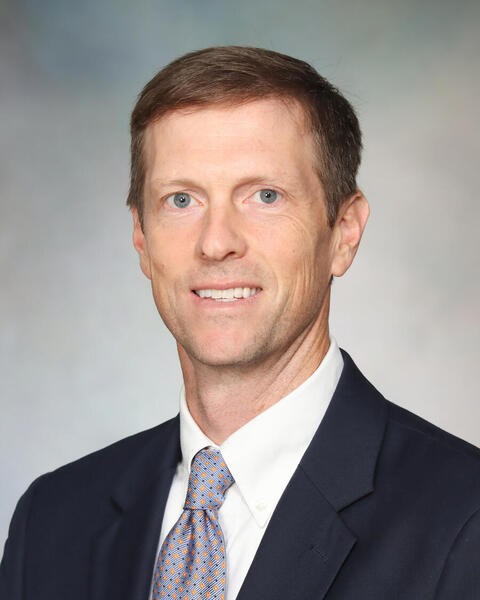
Medical Director
Dr. Dacre Knight is the Medical Director of the EDS & Hypermobility Disorders Center at the University of Virginia (UVA) in Charlottesville, where he also serves as an Associate Professor of Medicine. A board-certified internal medicine physician, Dr. Knight specializes in consultative and diagnostic medicine with a clinical focus on chronic disease, unresolved illness, and the coordinated care of patients with Ehlers-Danlos syndromes (EDS).
Dr. Knight leads the EDS Center at UVA with a mission to empower patients through personalized diagnostic evaluations and individualized treatment plans tailored to each person’s unique needs and health goals.
An active researcher and educator, Dr. Knight mentors medical students and residents, with diverse academic interests including the treatment of complex EDS cases and the application of machine learning and artificial intelligence to diagnostic medicine. Dr. Knight received the Pioneer in Clinical Care award from the Ehlers-Danlos Society for 2025.