Why Doctors Miss EDS, POTS, and MCAS with Dr. Dacre Knight (Ep 184)

Why are people with Ehlers-Danlos syndromes, POTS, and mast cell disorders so frequently misdiagnosed, or dismissed entirely? In this episode of Bendy Bodies, Dr. Linda Bluestein is joined by Dr. Dacre Knight, Medical Director of the UVA Health EDS and Hypermobility Disorders Center, for a wide-ranging conversation about why complex, multisystem conditions continue to fall through the cracks of modern medicine. Together, they explore how siloed healthcare systems, time-limited visits, and overreliance on “normal” labs and imaging contribute to years of delayed diagnosis and unnecessary suffering.
The discussion unpacks why patients are often labeled as anxious, functional, or “too complex,” how pattern recognition breaks down when symptoms span multiple systems, and why early diagnosis could prevent much of the downstream complexity clinicians later struggle to manage. Dr. Knight also explains how diagnostic frameworks like the EDS–POTS–MCAS triad can be helpful and where they risk oversimplifying reality.
This episode offers a candid look at the gaps in current diagnostic thinking and a more thoughtful, patient-centered approach to evaluating complex chronic illness, one that prioritizes listening, curiosity, and clinical humility.







Why are people with Ehlers-Danlos syndromes, POTS, and mast cell disorders so frequently misdiagnosed, or dismissed entirely? In this episode of Bendy Bodies, Dr. Linda Bluestein is joined by Dr. Dacre Knight, Medical Director of the UVA Health EDS and Hypermobility Disorders Center, for a wide-ranging conversation about why complex, multisystem conditions continue to fall through the cracks of modern medicine. Together, they explore how siloed healthcare systems, time-limited visits, and overreliance on “normal” labs and imaging contribute to years of delayed diagnosis and unnecessary suffering.
The discussion unpacks why patients are often labeled as anxious, functional, or “too complex,” how pattern recognition breaks down when symptoms span multiple systems, and why early diagnosis could prevent much of the downstream complexity clinicians later struggle to manage. Dr. Knight also explains how diagnostic frameworks like the EDS–POTS–MCAS triad can be helpful and where they risk oversimplifying reality.
This episode offers a candid look at the gaps in current diagnostic thinking and a more thoughtful, patient-centered approach to evaluating complex chronic illness, one that prioritizes listening, curiosity, and clinical humility.
Takeaways:
When diagnosis is delayed, complexity isn’t inevitable — it’s created.
“Normal” tests don’t mean normal lives. Pain, fatigue, and dysfunction can exist long before labs catch up.
Many patients aren’t anxious until they’re repeatedly dismissed. Mislabeling symptoms often becomes the real diagnosis delay.
Multisystem conditions don’t reveal themselves through checklists — they emerge through patterns clinicians are trained to overlook.
Sometimes the most powerful intervention isn’t a test or a treatment — it’s listening earlier, longer, and with curiosity.
Want to learn more about the UVA EDS Center?
For Appointments and Questions: RUVAEDSCenter@uvahealth.org
UVA EDS: https://www.uvahealth.com/healthy-practice/advancing-care-through-ehlers-danlos-clinic
UVA EDS FAQ: https://www.uvahealth.com/support/eds/faq
UVA Pediatric Integrative Medicine: https://childrens.uvahealth.com/specialties/integrative-health
Want more Dr. Dacre Knight?
https://x.com/knidac
Want more Dr. Linda Bluestein, MD?
Website: https://www.hypermobilitymd.com/
YouTube: https://www.youtube.com/@bendybodiespodcast
Instagram: https://www.instagram.com/hypermobilitymd/
Facebook: https://www.facebook.com/BendyBodiesPodcast
X: https://twitter.com/BluesteinLinda
LinkedIn: https://www.linkedin.com/in/hypermobilitymd/
Newsletter: https://hypermobilitymd.substack.com/
Shop my Amazon store https://www.amazon.com/shop/hypermobilitymd
Dr. Bluestein's Recommended Herbs, Supplements and Care Necessities: https://us.fullscript.com/welcome/hypermobilitymd/store-start
Thank YOU so much for tuning in. We hope you found this episode informative, inspiring, useful, validating, and enjoyable. Join us on the next episode for YOUR time to level up your knowledge about hypermobility disorders and the people who have them.
Join YOUR Bendy Bodies community at https://www\.bendybodiespodcast\.com/.
YOUR bendy body is our highest priority!
Learn more about Human Content at http://www\.human-content\.com
Podcast Advertising/Business Inquiries: sales@human-content.com
Part of the Human Content Podcast Network
FTC: This video is not sponsored. Links are commissionable, meaning I may earn commission from purchases made through links
Learn more about your ad choices. Visit megaphone.fm/adchoices
Transcripts are auto-generated and may contain errors
Dacre Knight, MD: [00:00:00] Our imaging tests may be confusing because there is not any specific lab test that we can use to say that someone's in pain, right? We can't justify someone's pain with a lab test. I think it catches patients in a difficult situation where they may have normal lab tests and they're told that like, well, you don't have any reason for your pain.
You know, how much worse can you get as far as trying to get any clarity on what you're suffering from?
Dr. Linda Bluestein: Welcome back every bendy body to the Bendy Bodies podcast. I'm your host, Dr. Linda Bluestein, the Hypermobility md, and today's episode marks a moment I've been working towards for a very long time. When I launched this podcast years ago, my vision was to create a space where patients and clinicians could learn together.
Where complex, often [00:01:00] misunderstood conditions like Alos Danlos syndromes would finally get the thoughtful, nuanced attention they deserve. I'm incredibly excited to share that this vision has expanded in a meaningful way. Today I'm welcoming Dr. Daker Knight, formerly of the Mayo Clinic, who is now the medical director of the UVA Ehlers-Danlos Syndrome Center.
The UVA EDS center is officially partnering with Bendy bodies, and Dr. Knight will be joining me as a recurring co-host twice a month. This collaboration represents a shared commitment to better diagnosis, better education, and better care for people living with EDS HSD pots, mast cell disorders, and overlapping conditions.
In this episode, we'll be unpacking why patients with EDS pots and MCAS are so often misdiagnosed and how clinicians can shift their thinking to recognize meaningful patterns earlier. As always, this information is for educational purposes only and is not a substitute for personalized medical advice.
Make sure to stay with us until the very end for our Hypermobility Hacks and many more [00:02:00] conversations to come. Let's get started.
I am super excited to tell you about the Bendy Bodies boutique. I'm so proud of our fierce styles and flexible designs. These are created by hypermobile artists. For Hypermobile shoppers, there are so many fun items from clothing, accessories, home goods, and my favorite are the bags. I especially love the weak weekender tote with one of the EDS tough designs.
Whether you're shopping for yourself or someone you love, there's so many options to choose from. A portion of the proceeds goes to support EDS nonprofit organizations. For more information, please visit bendy bodies boutique.com.
Okay, well, I am so excited to be back again with Dr. Knight. How are you doing today?
Dacre Knight, MD: Doing well, yes. Equally excited to be here.
Dr. Linda Bluestein: Excellent. Oh, I'm so glad. So today we're gonna talk about the challenges that people have with getting a diagnosis and why it is so hard for people with EDS, pots [00:03:00] mast cell activation syndrome, et cetera.
You know, the, what we call the, often the triad. Why this is so hard to untangle and so challenging for both patients and clinicians really, don't you think?
Dacre Knight, MD: Oh, yeah, totally. And it really shouldn't be such a challenge. I think we can identify some of the major gaps where there are things that fall short, why it becomes a challenge, but yeah.
and for. Reasons why it's a challenge for patients, then it makes it a challenge for providers and vice versa. So, you know, all that we can do to educate others, which is, I know what we're doing here. It will be all to the benefit of that.
Dr. Linda Bluestein: Absolutely. Because, you know, so many people think there's nothing that you can do.
and I don't know about you, but I find that so frustrating because that's not true, right? There are things and so we're gonna be talking about treatment and, you and I are gonna have another great conversation in a couple of episodes where we're gonna be talking about treatment, but today we're gonna be talking really about, about diagnosis and [00:04:00] working people up and things like that.
and some of the, you know, kind of big picture problems that we see. For example, I'm sure you see this also, people with EDS, pots, mast, cell related symptoms, et cetera. They're often labeled as complex, anxious and or functional. why do you think that happens so often?
Dacre Knight, MD: Well. That may be, I guess we're saying where are we falling short?
That may be one of them because this is the perception that, patients with these conditions are too difficult and providers would simply just wash their hands and say, I, I don't want to bother even attempting to try. and as you pointed out, they may not even make a diagnosis or attempt to make a diagnosis.
They may say that they're, I hear it all the time that there, there's no reason to make a diagnosis 'cause there's no cure. So what's the point? And it's just, it's horrible. You know, truth be told, the reason why these cases become so complicated is because they've just been pushed [00:05:00] aside and they haven't been addressed head on.
And so every time that happens, it just gets more and more complicated. Right. Until someone's finally sitting with this really big complex case.
Dr. Linda Bluestein: Exactly. I've often thought that too, that if we were able to diagnose people a lot sooner, a lot of those other sequelae. Wouldn't happen or they wouldn't be as severe.
And also by the time somebody's had, you know, head pain or neck pain or abdominal pain or whatever for 16 years, you know, it's, it just gets so much harder to tease out. Whereas earlier on, if somebody really did try to look under the hood and really try to look deeper, I think they would have more success.
So yeah, that's why it's so great. what, we're doing here and why it's so great what you're doing at UVA. I think that center's gonna be so helpful for so many people, so it's really exciting.
Dacre Knight, MD: Yeah. and we're talking about early on, I know we had a show with my partner here ina Stevens, a pediatrician, and why it is so critical to get these [00:06:00] kids in who may be affected and you know, sooner the better really.
that's part of what primary care though is too, whether it's with a pediatrician or a family doctor or an internal medicine doctor for adults that. They are at the front lines of seeing patients who may be affected with any number of conditions and, bless them for all of those things that they have to, consider and the differential diagnosis that they have to come up with anytime they see someone who, you know, may need typically in good health, but all of a sudden may not be, or may not even be sudden.
It may just be kind of a progression of symptoms getting worse. And, so they do have a very difficult job, but that's why we want to, again, educate as best as we can, anyone who is in primary care, who may be seeing these patients so they can identify it before it gets worse.
Dr. Linda Bluestein: And I imagine you see this as well, people who.
They've tried Western medicine for a little while and then they're not getting anywhere. So they give up on Western medicine and they start, I'm not [00:07:00] saying that everyone who's not practicing western medicine is a charlatan, but they might end up trying some pretty crazy things, some very expensive things.
Some of them are, good and helpful and science-based, but sometimes they end up trying some things that are pretty far out there. And so that also, I think, complicates the picture
Dacre Knight, MD: well. Yeah, and why wouldn't they? Right? If they're not getting anywhere and there's no progress being made, then you know, I, have no, no misunderstanding of why someone wants to continue to try to care for themselves and, really give them credit for it.
and, and fortunately it, it may be in the wrong direction or, you know, they may end up with someone who's selling them some snake oil, but, maybe they do get to the right place or, you know, hopefully get connected to the right. Person who is knowledgeable. And it doesn't even necessarily have to be a clinician really.
It may just be someone that they, you know, has had similar experiences. [00:08:00] So now a lot of our patients are connected on social media and elsewhere. And yes, there's potentially a lot of issues with social media, but there can certainly be some good too.
Dr. Linda Bluestein: yes, there definitely can be a lot of good there.
So what do you think medicine gets most wrong about the EDS pots, MCAS triad?
Dacre Knight, MD: Well, I guess, and, you know, we're all learning really. We're all, in this together to take an edge from the COVID Pandemic, but we are learning about these associations and more so for recent years. And I know you had some excellent guests on this show that have talked about these, but know, some years ago we weren't really thinking about the connection there.
So I think what we still get wrong is maybe even still thinking about it. You know, if we come in, if a patient who comes in it's, you know, I've got EDS, or I've, I'm thinking about EDS, and the first thing we're thinking about is EDS. Well, okay, but what other symptoms do you have? And it takes time and, you know, is there.[00:09:00]
Potentially a role for another comorbidity and, yeah, we have to think about it. So I think where we go wrong is, not really still drawing the associations and understanding exactly where the associations relate to each other as cause or effects. I mean, this is certainly an area right, for research.
but I'm hopeful that those answers will come with time.
Dr. Linda Bluestein: I am too. And do you think our siloed healthcare system is part of that problem too?
Dacre Knight, MD: Definitely. Part of the problem. And when you think of it a couple different ways, we have silos in one way because there are specialists who sit in those silos and, you know, they're sometimes very hyper specialized.
and, and that's good. As our knowledge of medicine has expanded exponentially over, you know, many years of study, there, is a reason why. Sometimes these specialists get so hyper-focused in [00:10:00] their field that they sort of don't look outside the box, so to speak. So there is good reason to have specialists and hyper specialists and, they can certainly add to the care of a patient if we need an expert on a very rare, unusual situation.
But we do need also to have those clinicians who can act as a bridge and to break those silos. Or maybe even if those specialists themselves are willing to explore and to think outside of their area, maybe they can sort of breaking down the silo effect as well.
Dr. Linda Bluestein: And I think that's something that a lot of people don't necessarily understand that things are advancing so quickly that if you're not in a certain specialty, then you know, you, it's, hard to keep up within a narrow focus, right?
Much less something else. So it's to me, more important that you know what you do and don't know and that, you know, to refer somebody out or that you [00:11:00] may, you know, just be open-minded to this, you know, these other problems and say, well, let's explore those with these other specialists rather than, you know, guessing or, you probably see this sometimes when you're reading other people's notes and, it's like, oh, I wish they wouldn't have even said that because I don't know their specialty.
They don't know this niche that, you know, you and I are in. you know, that, the science can evolve so quickly that it's hard.
Dacre Knight, MD: Well, it's, and it's really, it's, so quick, and not just the science, but the technology and all the tools that we have are advancing so quickly. We don't really even know how to use them.
We, what do we do with this information? But I think you're right. I think at the very least we should think that maybe we should, we draw, we keep these connections, we keep an open mind and we keep learning, and drawing connections. and I think, with time, eventually we can start catching up.
Although it seems like the way technology and information is, [00:12:00] growing. I don't know if we'll ever catch up, but we can do at least our best to help patients.
Dr. Linda Bluestein: Definitely. And, speaking of helping patients better, I don't know if you heard this statistic, but it's, it was something like within three minutes or five minutes of an encounter.
The doctor already has the full plan in their head in most encounters, right? The doctor has the full plan in their mind. They're already like, you know, in their mind writing whatever script they're gonna write. And, instead of like immediately making, we, need to be fast. If we're in a regular conventional setting, right?
And you have 10 minutes for a visit, you, know, you can't be taking, you know, an hour to do a 10 minute visit. 'cause by the end of the day, obviously, you know you're gonna be in a world of hurt. but we want to make sure that we're really looking for patterns, right? We're not just, you know, checking off boxes, but we're actually looking at patterns.
So when you see a patient who comes in with the common things that we see, right? So they have pain, they have fatigue, GI symptoms, maybe they have dizziness, brain fog, [00:13:00] et cetera. are there certain patterns in there that immediately catch your attention and or that you want other clinicians to be aware of?
Dacre Knight, MD: Yeah, that's a great question because I think that's what we're evolved to do, not only as clinicians, but as human beings to learn patterns and make observations, of the world around us. And certainly as clinicians that we do develop our own sort of internal algorithm with time and it, you know, it's to the benefit of us, like you said, you know, you're not ruminating over something for hours and hours, so you can actually, you know, help more than one patient.
And ideally, and, then, and also because, when we, you know, have the experience of seeing multiple patients, there's going to be a variety of different presentations, right. And certainly with EDS, because we know, as we say, no two patients are exactly alike. and [00:14:00] so we would, it's all, all together have, you know, a, a.
Algorithm, so to speak, of knowing that there's something that is abnormal. Then, and, really, the way I would approach it, and I still do this, day to day, is that, you know, I just let the patient talk. And that's one of the hardest things for clinicians to do. And there have been studies on this and, you know, I, and you mentioned, some of it as far as, the things patients come in with, but I think it, it's just, I don't remember the exact timeframe, but it's just a matter of within minutes, you know, not just forming their own diagnostic opinion, but how soon it is before the clinician interrupts the patient.
And it's just a matter of minutes. And, you know, of course that adds to, you know, they've created this own, you know, kind of idea of their own [00:15:00] summary in their mind already what it is. But, You know, William o or famously said, you know, you know, listen to the patient, they'll tell you their diagnosis, right?
So we really just have to let them talk, and that's where we start getting the best clues. And then I can start, you know, recognizing some patterns and things there, but even still, we have to be very careful to be too judgmental or jumping to conclusions on any one pattern really.
Dr. Linda Bluestein: I agree. what about some of the common diagnoses that patients receive before they come see you?
When you were at Mayo, or now when you're at UVA?
Dacre Knight, MD: Well, okay, so the common. I guess say presentations and we see this across the board is in all the studies, but would be pain and fatigue and I mean in the order of, you know, over three quarters of patients. And, and it seems like if you really kind of go down to the minutiae of it, that fatigue though is very ambiguous, is [00:16:00] probably the more common, of them all.
But, pain and fatigue. And then so, and then headaches. These are all very common. So as far as diagnoses go, I mean, we have lots of things to be spread all across the board of what could be a diagnosis within that. but there's all of these conditions that we see. And you mentioned the trifecta in all of those that may certainly include, pain and fatigue and headaches and, digestive issues.
All of those, other ones that are very common. So, as far as diagnoses go, whether it is EDS or pots or mast cell activation, there would likely be a diagnosis when we're in our clinic, in my position of as an EDS center. Hypermobility obviously is the close link to pain as it maybe a cause of pain.
And then that, as far as [00:17:00] digestive issues, we very commonly see the IBS functional dyspepsia are now what we call disorders of the gut brain interaction, headaches, all variety, but very commonly, migraine type headaches, tension type headaches, and maybe some cervicogenic headaches when we're talking about cervical spine or musculoskeletal issues.
So, yeah, I think that those, stand to reason why those are the most common presenting issues.
Dr. Linda Bluestein: and what about the people who have been, you know, labeled, oh, it's just anxiety, it's just IBS, what are your thoughts on how that might delay meaningful care?
Dacre Knight, MD: Well, yeah, I know a lot of your listeners probably have been fortunately had that issue of delayed care because.
that is often the description that they're, you know, told. Unfortunately, it's all in their head, and then they really are at a loss. I mean, what do you, what can you do with that information? It's all in my head. Okay, well, where do I, how do [00:18:00] I get it outta my head and how to get there? What, I don't even know what that means.
And it's not to say that there have been studies on this that, you know, we look at presentation of anxiety and depressive issues. It's not to say that it, some of those things might develop with time. And certainly if someone is being brushed aside, we're, you know, we're, recognizing and on this diagnostic odyssey, I mean, who wouldn't have some mental fatigue, at least with all that and all the repercussions of it, whether it's anxiety or depression and things like that.
So the challenge lies is I, as I mentioned, if it's not addressed correctly, we're not making the diagnoses correctly. We're not getting the right treatment. Prevention started. Then it's just adding to the. Chronicity of the illness. It's, you know, the long, it's just making it be there longer and then it's going to take even longer to improve from.
It's, adding to the complexity, the other comorbidities that develop. So, you know, someone [00:19:00] being told that it's just anxiety, it's really, it's mistreatment is it's malpractice in my opinion.
Dr. Linda Bluestein: Yeah. So many of us with EDS do have anxiety. I mean, I definitely have anxiety, but that doesn't mean that anxiety explains everything that I'm feeling in my body.
Right. So being told that it's just anxiety and I don't know if you have, seen this, but I feel like, gaslighting has become more and more common even with people that don't have EDS. I was at an appointment not long ago with a family member who is also a physician. Is a white male, white. So, you know, has like everything going for them, like super fit, like, you know, all the best possible chances of getting good quality care.
And the care overall was, fine. But, the orthopedic surgeon literally looked at the person's knee, MRI and said my knee's worse.
Dacre Knight, MD: Yeah. Those kind of discussions. Like, I, I mean, why as my [00:20:00] grandmother say, if you don't have anything nice to say, don't say it at all. I mean, if you don't have anything helpful to say, don't say because that's certainly not helpful.
Dr. Linda Bluestein: Yeah. Yeah. I was kind of floored by that. and the person, it was an orthopedic surgeon and turned out to be an excellent surgeon, but that kind of a comment is like, just. Just kind of blew me away. and speaking of things that people say, and that can be, also though misinterpreted functional neurologic disorders.
I feel like this is an area that's really, really challenging or functional. There's other functional disorders, right? Functional gut problems, et cetera. functional is just supposed to mean related to function and not structure, right? So it doesn't mean, although it sounds like, oh, it's in my head.
there, is there a place, I guess is what I'm asking, do you think there is a place for using those, labels?
Dacre Knight, MD: Well, I think this is also a good question because it causes us to look at our [00:21:00] medical practice introspectively, what are we doing and what do we learn from that? And really, as much as we know, there's still lots of.
Black space in outer space of medicine. and that's usually where these functional conditions get lumped into. We haven't identified it yet. It's sort of a placeholder as the science improves and it, you know, is that good or bad? I mean, it's bad in the case where it's a misdiagnosis, right? It's missing an opportunity to find improvement and treatment.
But maybe at least it's good in a way. and I'm, really stretching here and at least we're identifying something's wrong, you know, rather than, you know, you being told that, my knee MRI looks worse. You know? Right. but at least we recognize that, you know, there is something wrong. so that's a start.[00:22:00]
But I'm, being awfully generous here. and any, in any case, you know, do they have a role? I think the answer is that yes, there is a role still for unknowns. Medicine and there's a lot that's still unknown. we want to answer the unknowns and answer those questions and solve those mysteries as best as we can.
but, it takes time.
Dr. Linda Bluestein: I think that you're right, that some people will prematurely jump to that conclusion. Oh, it's a functional, you know, neurologic problem and then not offer any treatment. I've seen as I imagine you have so many people that have been labeled with that and then offered nothing.
You know, it's like, okay, well what am I supposed to do with that label? Then? What am I, you know, what am I supposed to do?
Dacre Knight, MD: Yeah. And, you probably see that those patients made me even Yeah. More confused than they were to begin with.
Dr. Linda Bluestein: Right. I did have one patient who, as I was reading through her chart, she was getting progressively, [00:23:00] you know, more challenged in her ability to walk.
And so I thought by the time I saw, her, you know, maybe she was gonna be in a wheelchair or something. And much to my shock, she walked into the appointment and she seemed actually quite good. So I asked her, I said, what happened? Like, it sounded like you were progressing towards using a wheelchair.
And she said that she was, diagnosed with a functional neurologic problem and she was sent to a specific physical therapist that specializes in that. And it really worked. The physical therapy that this person did really worked and really helped her regain strength. And I don't know how that person's training is different or what they did was different.
But, but anyway, that was kind of interesting 'cause I saw so many other people labeled the functional problems and just left, just abandoned, you know? But this one person who. Got connected with care that was really beneficial for her. So, so that was good.
Dacre Knight, MD: Well, that, and that really is, that is awesome to hear.
And I, well, I love those stories. Not [00:24:00] only is it, you know, it gives you a warm feeling. It, makes me smile. But I think that we learn from those, right. As we're how we practice. And what I learned from that is, and you're right, we may not know exactly what this physical therapists do or specific technique, but I would guess that they have gotten some familiarity now of, you know, their own kind of algorithm and recognizing patterns.
And they probably see that the patients come in, you know, certain things have been ruled out. They don't need to waste time about discussing brain MRIs or whatever. And they can get geared into treatments more. And they may know that some treatments work better for certain groups of patients based on their presentations.
So. I would venture to guess that, they become well adapted to that. So that I, I think that's telling as far as the potential that is head and just like we were [00:25:00] talking about earlier about, you know, providers may not wanna see EDS patients because they're challenging and things like that, but maybe they're challenging, just because they're not seeing them, right?
And then so they haven't allowed themselves the time to develop these patterns and algorithms and, know what to do. And so I, you know, I love these stories and I would, you know, propose is, and, I always like to do is share these stories with patients as well to give hope and inspiration that on this show, that we probably highlight some of those stories and, you know, go over through the process of what actually was that made these patients better.
Because we, you know, certainly do want to inspire hope.
Dr. Linda Bluestein: I sometimes I find myself, this happened just a couple of days ago. I was seeing a client for coaching, just for a virtual, you know, conversation. And I'm thinking to myself, oh my gosh, I have this one patient who, you know, your stories are so similar, you're kind of going down a very similar pathway of, you know, workup for, pelvic venous disease.
And [00:26:00] they had been seen at the same clinic for these problems. so I wrote to the patient and I said, would you be willing to talk to this other person? And she was like, absolutely, I'd be happy to. 'cause she was much farther along in her journey. And, so I think you pointed out earlier about social media and how people can really use that to be beneficial.
I've had a, I've had that happen a couple of times where I've had one person that I thought could really benefit from talking to another person. Of course, you have to get, you know, their permission and all of that. But in one of those cases. It was, my very first patient that I ever saw, and I wanted her to talk to this other young person.
I said, or if you wanna write something down. And then she wrote down this beautiful thing and I said, well, we should probably publish this somewhere. So we published it on Keaveny md and then that led to another thing, and that led to me ultimately interviewing her on the podcast. because I was like, wait, we should have not just one person listen to this.
But yeah, so, so I think that you're right. I think that these kind of stories, really help us keep that hope alive, which is critically important. [00:27:00]
Dacre Knight, MD: Well, absolutely. And I know, you know, well, I've sent you patients as well who I've ahead and it's, you know, they've got some long history of dance or ballet or something that they got EDS and I know that like we're talking about, we're getting hyper specialized.
So there is someone who's specialized in EDS who's got an understanding of dance and ballet. And so yeah, I appreciate that. And, those connections are certainly valuable and I've, noticed the same thing that you have, you know, connecting patients. And I know that EDS society, and we have tried to act on this as well as far as like health advocacy programs and patient advocacy and, we have a patient advisory group, that helps inform us of the practice.
and what I've learned through working with them, and I've given some talks to the EDS society as health advocacy program, is that it's. Very good for patients to be involved in this as it really is [00:28:00] almost part of their care journey. And as far as their treatment goes is, and we say in school, like one of the best ways of learning something is by teaching it.
Right,
Dr. Linda Bluestein: right, right.
Dacre Knight, MD: And you know, all through medical school we're trying to teach each other various things, but yeah, it was helpful, but it's also helpful to us. And so as patients, you know, teaching others, it's definitely valuable part of their treatment experience. And I'm sure we could have a full episode on social media because you know Yeah, you're right.
There's definitely some good to it and getting people connected. And I, my I ideal world is that. You know, there is some platform somehow that patients can be connected. 'cause that I've, yeah, I've got some very knowledgeable patients I could think of in many occasions where they would be excellent resources for certain other patients.
and patients are eager to do this. They, you know, here's my information and let me, you know, link up with anyone I can help. And I'm so appreciative of that. [00:29:00] It's hard though, when you go into social media. It's just kind of like the wild West, right? Yes. And it's just, it just gets derailed so quickly.
And is anyone maybe as, as, gregarious as they may be, they just get sidelined, right? And so it's very difficult. But I would, love to be able to nurture that some way. And I know what we're doing here with the show is at least trying to get the message out there. but I, know that, that sort of.
That personal connection between others is so critical too.
Dr. Linda Bluestein: Yes. Yes. It ab it absolutely is. And I'm glad that you brought that up because I think talking about social me, social media on a future episode with you and I is a great idea. And I do also want to mention, to everybody listening right now, that we are going to be addressing all kinds of listener questions.
So, you know, please send in your questions that you want, you know, Dr. Knight and I to answer because we're fortunately gonna be having these conversations a couple times a month. [00:30:00] Sometimes it'll be just the two of us. Sometimes it'll be the two of us with a guest. So we're gonna have some great opportunities though to answer your questions.
So they could be about, you know, anything. So, go to bendy bodies podcast.com, submit your questions there, and, the team does a great job of, you know, bringing ones to our attention that are like, you know, super, super great to, to answer. So we'll try to get to as many of those as we can.
Dacre Knight, MD: Definitely looking forward to that.
and I see it on a regular basis in my clinic that. We're discussing plan of care with patients and do you have any questions? And it's almost like, you know, deer in headlights. I know I do, but wait till I leave, I go home and I'll think of all the questions. So yeah, this is a great opportunity to get those questions out there.
Dr. Linda Bluestein: And I don't know about you, but I find that I'll sometimes answer the question a little bit differently on one day versus another day. And so sometimes even if it's a question that's already been addressed, hearing a different explanation, or you probably are gonna explain things you know, differently than I am.
So, so I'm really excited about this collaboration and getting the opportunity to hang out with you.
Dacre Knight, MD: Yeah, well [00:31:00] certainly I, I've learned a lot already and I'm very excited to learn more and, share more.
Dr. Linda Bluestein: Great. We're gonna take a quick break and when we come back we are going to talk about what clinicians tend to miss and some takeaways for patients and clinicians.
we're gonna take a quick break and we'll be right back.
As someone with EDS and who treats patients and does lots and lots of these podcasts, I am always looking for products that are gonna help me be more comfortable. I wanna tell you about Cozy Earth. There is nothing more comfortable than getting into a cozy bed and making being at home the very best part of your day.
Cozy Earth is so confident in their products that they actually offer a 100 night sleep trial. This is insane. If you don't love their sheets after a whole 100 nights, you can actually return them hassle-free. And they also offer a 10 year warranty. That's insane. A whole decade. So start the new year off [00:32:00] right and give your home the luxury it deserves.
Make your home the best part of life. Head to cozy earth.com and use my code bendy for up to 20% off. If you get a post-purchase survey, be sure to mention you heard about Cozy Earth right here on the Bendy Bodies Podcast. Give the gift of comfort that lasts beyond the holidays and carries into a cozy new year.
Thank you so much for listening to Bendy Bodies. We really appreciate your support. It really helps the podcast when you like, subscribe and comment on YouTube and follow rate and review on all audio platforms. This helps us reach so many more people and spread the information to everyone. Thank you so much again, and enjoy the rest of the episode.
Okay, we're back with Dr. Knight. we're gonna talk a little bit before we get to what clinicians tend to miss, we're gonna talk a little bit first just about the triad and if that concept is clinically helpful or if [00:33:00] sometimes it tends to oversimplify the reality, which tends to be even more complex than that.
What, is your thought about the EDS pots MCAS triad?
Dacre Knight, MD: Well, it is an interesting triad of course, because we're looking at very disparate things at, you know, on first glance we're looking at, you know, cardiac, neurologic, we're looking at tissue, musculoskeletal, and then we're looking at immune potentially autoimmune things.
And, you know, how in the world, could these potentially be related? But, as we would also say in connective tissue disorders, you know, you really can't rule it out. It's connective tissues head to toe. So we gotta do, really have to think of every system,
Dr. Linda Bluestein: right?
Dacre Knight, MD: And we would talk about systems. These are, you know, some of the, these are the largest systems in the body.
so it's not too, surprising that they may be connected. And in, in downstream of that, they may involve other large systems, gastrointestinal systems, or [00:34:00] your genital systems. So, you know, that's my initial thought is like, you know, these are wildly different but also very big and very closely connected.
And so I think, you know, what would be the natural course of doctors' thought on it is that how do we potentially link these up in a way that treatment can approach at least two, if not all three. And that's ideal for everyone. It's ideal to a patient costs, it's ideal to a provider of having less balls to juggle at the same time.
and, and usually, that's, I mean, that's what we're taught in medical school outcomes. Razor, right. You know?
Dr. Linda Bluestein: Right.
Dacre Knight, MD: Don't add to plurality if you don't need to, you know, more things likely related to one, than multiple. And so, if we can. Tailor treatment in a way that kills two birds with one stone, then [00:35:00] that's awesome.
and that's what I, would like to do. and that's what I think is best for patients.
Dr. Linda Bluestein: And I'm so glad that you said that because I think so often, you know, I, people have gone. Away from prescribing opioids for chronic pain. But you know, I still see some very young people on opioids, and I'm not saying that they're never appropriate.
Sometimes they are. But, so often you end up with prescribing the opioids and then they get constipation and they get nausea. So they end up getting a prescription, you know, for Zofran to offset the nausea that makes them more constipated and it gives 'em a headache. And so then now they need something else for the headache.
And so, I couldn't agree with you more that if we can address the root cause, whether it's the mast cell or you know, some other process that's going on, we have such a higher chance of success because otherwise we just keep playing whack-a-mole and we keep adding other things to just, you know, mitigate the damage from the things that we're doing
Dacre Knight, MD: well, and that's.
Truly an [00:36:00] internist or a, generalist biggest nightmare. You see a patient who's got a medication list that's a mile long and dozens of medications that are all working to counteract the effect of another medication. and then that's usually our job is where we sit in the middle between other specialties of trying to make it all make sense and it, often doesn't make sense.
So I think listeners may be asking and wondering, you know, so what is it, what is, that, that, that magic that's going to treat all three of those and Right. we don't have that magic pill yet, but there certainly are some, that you'd say like, you know, take opioids, for example, treating pain.
All right, so we're just saying opioid to treat pain, but the negative effect is that it causes all these gastrointestinal issues, not to mention a number of others. If we're looking at treating pain in EDS, [00:37:00] there may be some medications that may also be useful in the case of pots or mast cell activation and vice versa, we're treating mast cell activation and there may be some that we've learned from with time.
so for, you know, example, we take something like low dose naltrexone where we see that there is overlap between at least two of those, between mast cell activation and pain potentially. so that's just one among other examples. You know, maybe this is another show too. We talk about just treatments in general, but, we have to be careful, certainly with other conditions though too.
Beta blockers, for example, would maybe, you know, first line in many cases for pots, but, you know, they can be exacerbating asthma issues too. and, some other POTS treatments that may make mast cell activation worse too. So I think that's how we link it up. And I think that also, you know. We have to think about, a any one of [00:38:00] these.
again, take mass activation. If we're gonna treat that, we think about the other systems that could be affected with mass activation. You know, we're treating mass activation, but we may not think is affecting the gut. And then, you know, all of a sudden there, you know, IBS improves. So I think if we keep a wide net of what may be related, when we're considering an approach to treatment, I think that's useful because then we can potentially target multiple.
outcome or multiple conditions for a good outcome.
Dr. Linda Bluestein: Yeah. I'm so glad you brought up about the, you know, in case people are thinking, oh, we know about some magic pill that they don't know about. So yeah, we're gonna talk about treatments in a couple of episodes. I, agree. I love low-dose naltrexone.
It's something that I prescribe a lot. people have heard me talk about it a lot on the podcast for sure. And when it comes to prescribing, and you talk about, you know, the internist nightmare of so many different medications. the [00:39:00] de-prescribing right? The weaning off and stopping things. We don't get training in that.
Right? And I remember one of my guests, quite a few episodes ago, Dr. Heather Tick, she asked me, she said, how many lectures do you remember from medical school on de-prescribing?
Dacre Knight, MD: Right?
Dr. Linda Bluestein: none.
Dacre Knight, MD: None. Yeah. And, there, that's the thing about it is that, there's, not a lot of investigation into it, right?
A lot of the trials and studies are into the effects and benefit of the medication. Not like, oh, what do we do now? It's no longer needed. What does it look like? In some ways? What's the use of trials stopping a medication for a pharmaceutical company? They don't want you to stop it. They want you to keep going.
Dr. Linda Bluestein: Right. We talked about this a little bit earlier, but when it comes to conditions that can commonly masquerade as one part of the triad, are there certain things that come to mind?
Dacre Knight, MD: Yeah, I think that's [00:40:00] a very good observation that a lot of these things do overlap. So the first thing that comes to my mind is that, you know, we have to stick with, you know, first principles when I say that it's, what we have at, our easiest disposal of guidelines and criteria, and that are already established.
They're not perfect by any means. but they're there and they're, there as, at least as a starting point. So this is when we just kind of go through diagnostic classifications and criteria, whether it's h EDS, HSD, or, you know, criteria for IBS or for POTS and things like that. It's there as giving us a, starting point of what may be truly involved.
Now, having said that, as really keeping the best interest of the patient upfront and center. I will still consider potential treatments for someone if they're, you know, half a [00:41:00] point off the scale of a criteria. Right? And this is where the art of medicine comes into play. And, so, we just have to use our best clinical judgment, and the best clinicians have good judgment of how far do we go outside of the borders or, you know, differences between one patient and the next.
because there may be a lot of differences and there's certainly a lot of differences between patients when they're developing this criteria to begin with. So it, that's what makes it, a little bit cloudy. but, Having said that, I guess it just goes back to, you know, to answer your question, that we just need to keep open-minded, about, you know, what someone may be presenting with and, what may actually benefit them.
Dr. Linda Bluestein: We know that it's so common for people to come in with a review of systems that's positive and multiple different systems. Right. How do you decide what to address first?
Dacre Knight, MD: Oh, well, this is a, this is a very good question because, this was a [00:42:00] question that was asked at, one of the EDS conferences two years ago, and it gave a whole talk on it actually.
how do you prioritize symptoms? Really the first way is, you know, whether it's emergent or non emergent. That's the first thing. Like, is this something that's, you know, we need to address today, tomorrow, or maybe even within hours? and it may not be something that someone even is aware is a symptom that is urgent, luckily.
We don't see those so often. and usually it's because our patients are pretty well educated enough when something is emergent that they, you know, seek help urgent, and get to the emergency room or wherever they need. but you know, the next step beyond that, what I'd say is the other approach is based on, you know, what is affecting you?
What is impacting you the most? Okay, so this is a more chronic condition [00:43:00] than what do you, what? And maybe just in your own words, what is affecting you from doing the things that you enjoyed doing or that you previously enjoyed doing? and then, you know, you can get any number of answers, that may be related to different things too.
Maybe sleep or maybe back pain, or it may be headache. And you know, then we have to kind of. Go down a rabbit hole for a little bit, talking about that headache and characteristics of the headache and when does it happen. But that's what I would say as far as, you know, coming into the doctor and, you know, thinking about where to start and what are the issues.
Well, let's start with what is the most pressing concern? What is the biggest, issue that, may actually tease out other things. But let's start with, let's start with that one.
Dr. Linda Bluestein: And in terms of what clinicians tend to miss, what are some subtle red flags that should prompt clinicians to look deeper?
Dacre Knight, MD: I love the description of red [00:44:00] flags, although I, think that, when I was first in medical school and, learning about red flags that were related to back pain and it stuck with me.
and, and now that I've come to recognize other red flags for other conditions, it's like, I've got so many red flags out there now I need to start coming up with other names for them. But, they are the things that we would be concerned about that could impact someone's life the most, whether it is an emergency or whether it's increased morbidity or mortality.
And so when we talk about EDS, I mean, we can talk about any number of these conditions as mast cell or pots, and they've all got their own red flags for mast cell be like anaphylaxis. for pots it would be, you know, arrhythmias that can, you know, be very, they can be fatal. And then for EDS, usually what we're talking about are [00:45:00] genetic red flags, where there may be a concern.
For something that is identifiable with genetic testing, that may be something that is inherited, potentially passed on among other family members who may want to know as well. And, and may be related to different treatment planning as far as surveillance with imaging and other testing that may be useful to help again, to avoid further complications.
Dr. Linda Bluestein: And you're right about the abundance of red flags. So maybe a yellow flag might be the, say, the saying, you know, if you can't connect the issues, think connective tissues. So when you have somebody sitting in front of you and they're reporting problems in multiple different systems. You mentioned o Occam's razor, you know, what could possibly explain the bulk of these symptoms, if not all of them?
Well, right, it has to be something that's system wide. So connective tissue, I mean, all three of those, right? Connective [00:46:00] tissue, which would be the EDS or HSD, that could explain system-wide problems. dysautonomia is clearly system-wide controls. Your, you know, your cardiovascular system, your gi, et cetera.
And mast cells we know are everywhere as well. So I think that's another piece of that. Yeah,
Dacre Knight, MD: well, you know, yeah, I'll just add to that because yeah, I think that's absolutely right and I think what we have, as I mentioned earlier, recognized with some time that we're learning about these associations of things is that.
Well, and to the benefit of patients treating each of those that we can and they may have different treatments. that's something to also keep in mind. And I will, you know, venture to say that, you know, as much as we can do to try to narrow it down, there is, as we would love to challenge each other to residency, although there is hamm's [00:47:00] razor to narrow it down, there's also hick's dictum that said, patient can have any number of problems as they please.
Yep,
Dr. Linda Bluestein: yep.
Dacre Knight, MD: And it's, true. And so that's why, you know, as much as we want to link EDS and pots and MAs cell and, maybe there still is yet a single common pathway that one of those is causing the other, we just haven't recognized it yet. So we need to recognize that all of those may be potentially there and they all in some ways may have different treatments and we need.
A again, like we're trying to provide the best treatment to patients. We need to address all those things that we can.
Dr. Linda Bluestein: I'm glad you pointed that out, because that is definitely something that, that, happens quite commonly once someone does have the EDS diagnosis, or even if they suspect it right, then they start writing everything off to that.
But you're right, they're entitled to other diseases too, so they definitely can have other things going on. So that's an excellent point. Thank you for bringing that up. And I will also link to the show [00:48:00] notes, the red flags document that I have on the Bendy Bodies podcast website so that people can see like, these are the things that should really make us think about doing genetic testing for some of the more rare types, because I'm really glad that you pointed that out as well.
And speaking of labs, why do normal labs and, you know, normal or, you know, unremarkable imaging results, why, are those so challenging?
Dacre Knight, MD: Well, let's say, I guess let's, start. From the beginning why we might order imaging or labs to begin with. And the obvious the answer is because we don't know what's going on.
And some of those most common situations where we don't know what's going on. Let's take what I had mentioned were the most common presenting complaints, pain or fatigue. So those can certainly warrant imaging and lab tests. To answer your question, why the labs and imaging tests may be confusing is [00:49:00] because there is not any specific lab test that we can use to say that someone's in pain, right?
We can't justify someone's pain with a lab test. and so it's, I think it catches patients in a difficult situation where they may have lower normal lab tests and they're told that like, well. You don't have any reason for your pain, right? And I mean, you know, how much worse can you get as far as a, you know, any if trying to get any clarity on what you're suffering from.
So that, that's, I think, the first issue and the biggest issue, and probably the most common issue for our patients. But the next issue is that if there are some lab abnormalities and, it, okay, so it's good if there's an lab abnormality, we can identify a diagnosis and it's clear and, you know, let's say it's an autoimmune disease, rheumatoid arthritis, and we can [00:50:00] diagnose this with imaging and lab tests and we can get them on some very good treatments nowadays to, to resolve and decrease the duration of symptoms.
but there's also possibility that these lab tests are. Abnormally abnormal or what we would call a false positive. And then this leads us down the wrong path of treatments and just delays costs more and ultimately doesn't serve as well. So again, back to the art of medicine issues, we have to think about the condition that the patient is in, what they're presenting with, and then what are we actually looking for?
What are these labs gonna tell us or not tell us? And then, you know, use our best judgment. What may be useful or not. You know, I'll use a quick example. Not to drone on too much about it. Well, I could talk about this all day because of what I do every day, but, you know, one of the screening tests that we use for autoimmune diseases [00:51:00] is the a NA so anti-nuclear antibody.
And it's a very good screening test. And as the screening test goes, we want to catch all those diseases and potential cases that we can, doesn't mean that it has a high specificity for any one disease, it just means that there's more likely a chance that we're not going to miss something. That's what we want for a screening test we wanna not miss.
but because it may not be very specific and is one of those among other tests too, it can lead to false positives. So we have a lot of patients who would say, my a NA is abnormal, and they get concerned about it, and it's like, well, okay, you're, that's the reason why we do those other autoimmune tests.
and for other autoimmune diseases and other labs that may be related to lupus or rheumatoid arthritis. And, In, Sjogren's and so forth. because the a NA can only get us so far, it sort of just opens up the door. But, but often it just [00:52:00] does add to extra anxiety and that's, you know, that's certainly part of the complication of imaging and lab tests is you ask that, that, you know, abnormal results will certainly bring patient anxiety.
So we have to be ready to answer questions that may come up related to those.
Dr. Linda Bluestein: Yeah, definitely. And we can't see someone's pain on imaging so. You know, you can have imaging that, you know, like my mother's hands be, before she passed her, she had this horrible arthritis. She had less pain in her hands than I have.
You know, you the ima the imaging does not tell that part of the story. So yeah, and it can be definitely really, challenging for people. And I had a patient come to me once who traveled a pretty good distance to come see me. And basically she didn't, she was not hypermobile. she knew that she probably wasn't, and so she wasn't even, you know, like I wasn't worried about a connective tissue disorder for her, but she had chronic pain and basically all I did for her was tell her, look at her [00:53:00] imaging reports.
I didn't even have the actual images, but I said, you, you have plenty of reasons to have pain. And she started to cry and she was like, I do. And like that was like totally worth it for her. She was like, you know, nobody had told me that. I was like, yeah, no, you have all these. Things that are going on in your body.
And so, yeah, I think oftentimes we just, you know, like you said, word words matter a lot. And we should pause and, think before we speak. Speaking of pausing and thinking before we speak, we wanna give some takeaways for clinicians, so, and, for patients also, but, are there some questions like maybe three questions that every clinician should ask when a patient presents with symptoms that span multiple systems?
Dacre Knight, MD: Yes, there are. And so the first thing that I would say, and, just to think about your patient example there too, is that, and I presume in her case that [00:54:00] she was told that. That, that everything was okay. Is that right? Mm-hmm. in her past. Yep. And yet she still was trying to emphasize that something's not right.
Dr. Linda Bluestein: Right. and I think what happened was, you know, probably there was nothing surgical. This has happened to me. You know, if there's nothing surgical, then I think some, you know, orthopedic surgeons may be in particular, might be like, you're, you know, either imply or say, you know, you're fine.
But it's like, no, you have pathology there and that explains your pain, but there's just nothing for me to operate on.
Dacre Knight, MD: Yeah, exactly. And I, encounter that all the time too. And, different systems have different approaches, as far as what they will see, and sometimes surgeons will see patients for conditions that may not need surgery, but they're knowledgeable about, and that's, you know, ideal because obviously surgeons have a lot of knowledge and experience of, you know, treating not just surgically, but knowing about the conditions that they treat.
I think that this is, you know, as a starting point, [00:55:00] this is a good example because as a starting point, a clinician could get at least an understanding and ask, you know, as I mentioned earlier, letting the patient talk, what is the most bothersome thing to you? You know, it's a starting point, right? And that's not going to get them all the way there because as you just pointed out, the patient told them that and didn't really seem to go anywhere.
So, but for a clinician at least to grasp, you know, what is really. Upfront and center, beyond that, and of course we have the whole mnemonic of, you know, we call Socrates. So is this, you know, something that's related to different organ system, what is the onset timing, duration, you know, radiation presentation of different symptoms and things like that.
So they can certainly kind of navigate from there, from what is the presenting complaint, to get more characteristic features. but I think that the next thing that, the clinician would [00:56:00] do well to keep in mind is an understanding of what the patient has gone through to get to them. And I think that's very telling.
And I think in the case of our patients that have gone through so much that I mean, that's a. answer is clear as day that, you know, there's something unusual that I can't use my standard algorithm here for. I can't use, you know, this specific textbook. I've probably got to think a little bit more creatively here.
but, you know, those two questions are at least a very good starting point, you know, most bothersome and, what have you done to get here? And that's how I like to start all of my visits. What I would say, probably, you know, again, to keep the patient's experience upfront and center and, keep their goals of care as we talk about shared decision making models of care where we, you know, are, moving [00:57:00] in years, to less of a kind of paternalistic approach of, you know, I'm the doctor, I'm telling you what to do, you know, do it, but you know, getting an understanding.
From the patients, what may be the best treatments for them for the time and place that they're in for whatever the job they're doing, what kind of life they're living. I think the next question then relates to that and is, you know, what are your goals of care? what are your, what do you want to see improve?
so, yeah, I think that's a good kind of basic approach. But there's obviously lots of many hundreds of questions that can be tied to any of all of those.
Dr. Linda Bluestein: And for patients, how can they describe their symptoms in a way that clinicians are most likely to listen and understand?
Dacre Knight, MD: Yeah. This is another excellent question.
That is, I think, something that gives patients a, lot of. Hesitation [00:58:00] and nervousness about seeing doctors to begin with and no fault of their own because they've, you know, likely been on a long journey. They've possibly been mis misguided and misdirected. And, so I think the best starting point is to have an understanding ahead of the visit.
You know, kind of one, two, and three, these, you know, these are the specific items that I wanna make sure I address. And I have patients who come in with notes from their phone or written out, and I love it. It's great because it gives me the sense that at least they'll have a piece of mind. At least we covered those things, even if they, you know, can't think of all the questions at the time of the visit.
At least they get those out there. So, I, love it when patients do it. I highly encourage that, you know, we don't need to burn the midnight oil. We don't need to lose any sleep over it, but at least jot some notes down and it, really, I think, serve you well.
Dr. Linda Bluestein: Well, this has been a great conversation. As you probably know, I like to end every episode [00:59:00] with a hypermobility hack.
do you happen to have a hack to share with us? If not, I have a hack for clinicians, but, if you have a hypermobility hack, that would be great.
Dacre Knight, MD: Well, yeah, my, my last one was to trust your gut, so, I don't want to, use that, more than I should, so I'd love to hear your hack.
Dr. Linda Bluestein: Okay. Well, the funny thing is your hack and my hack are very closely related. Perfect. Yeah. Yeah. So, so my hack is for clinicians, and I think that when you are seeing a patient and you've gone through, you know, you're, like you said, listening and, you know, trying to get a really good sense of what's going on, I think that it's very reasonable to ask that patient.
What do you think is going on?
Dacre Knight, MD: Absolutely. I love it. And, I think they may be surprised is that they may have a more informed answer than they expected.
Dr. Linda Bluestein: [01:00:00] Right. Right, right. And, I had one of my doctors, a neurosurgeon ask me once, what are you most afraid of? Or what are you most worried about? And I think that's a great follow-up question too, you know, what do you think is going on?
Dacre Knight, MD: Right. and that probably leads into a better understanding for them of what the patient wants to get out of their care. and we can do that in a shared decision model. and it's best for everyone.
Dr. Linda Bluestein: Absolutely. And I think too, when you do that, allowing the person to verbalize what they're most afraid of, you know, allows us to kind of address it at least.
And like you said, when they come in with that list of questions, and you know, 'cause we know that we're not gonna. Cure people. It's not like when they leave they're gonna be pain free. You know, the goal is to improve their quality of life and their functional capacity and everything like that. But, you know, it's really helpful when they do come in with those questions.
And if as the clinician we've asked those two questions, that I feel like [01:01:00] that really gives the person the opportunity to air that. And, you know, they might be afraid of something that, you know, we can actually say. I feel very confident that's not the case. You know, for example, I'm sure you've had this happen a lot.
They're really afraid they have vascular EDS. They might be 70 years old and they've, they have no signs at all of vascular EDS. And so we can reassure them that, you know, this does not look at all like vascular EDS. Plus you're 70 years old. So by now we would really, you know, have a good idea about that.
Dacre Knight, MD: Well, we can see that, you know, that's a great example where just being of service to the patients to listen and answer questions to begin with is a huge, you know, part of what we do. And, that's a very simple thing to do.
Dr. Linda Bluestein: Yes. And we should be giving them at least that. well this was such a great conversation.
I loved getting to spend the time with you. And, before we go, can you just tell people where they can find you and where they can learn about the UVA EDS center? [01:02:00]
Dacre Knight, MD: Yeah, I would love to, have that out there. And we will obviously be on this podcast and all of the listening platforms is available on, so look forward to staying connected there.
And as far as the UVA health center, so we have a website, we'll make sure that those links are available in the notes. And then, also a, phone number. So we take self-referrals and we help answer questions and then do what we can to see patients, when they're, when that's available.
Dr. Linda Bluestein: Well, thank you so much, for taking the time to chat with me.
I know that you're very busy. This is an exciting time over at UVA and I just can't wait to see how the center evolves. And I love having these conversations with you, so I look forward to the next one.
Dacre Knight, MD: I enjoyed it thoroughly as well. Looking forward to those as well.
Dr. Linda Bluestein: Well, I am so excited about having Dr. Knight here twice a month to co-host episodes with me and have these great [01:03:00] conversations. Please do remember to submit your questions to bendy bodies podcast.com because we will be addressing as many of those questions as we can. So I really look forward to seeing what you want to hear us talk about.
Thank you so much for listening to this week's episode of the Bendy Bodies Podcast. If you'd like to go deeper, I share additional. Education, clinical insights and resources in my newsletter, the Bendy Bulletin, which you can find on substack@hypermobilitymd.substack.com. You can also help us spread the word about connective tissue disorders by leaving a review, sharing this episode, or sending it to someone who needs it.
These small actions truly make a difference in raising awareness about conditions that are still widely misunderstood. And don't forget. Full video episodes are available every week on YouTube at Bendy Bodies Podcast. As many of you know, I offer one-on-one coaching and mentorship for both individuals living with connective tissue disorders and people caring for them.
You can learn more about these options on the servicesPage@hypermobilitymd.com. You can find me Dera Linda Bluestein on Instagram, Facebook, [01:04:00] TikTok X and LinkedIn, all at hypermobility md. As part of our collaboration with the UVA Ehlers-Danlos Syndrome Center, we also wanna share some of their helpful resources for questions or appointment inquiries.
You can contact the UVA EDS Center at our uva. EDS center@uvahealth.org. Again, that's the letter R as in Robert uva, EDS center@uvahealth.org. You can find answers to common questions at uva health.com/support/ EDS slash faq. Our incredible production team is human content. You can find them on TikTok and Instagram at Human Content Pods.
As you know, we love bringing on guests with unique perspectives to share. However, these unscripted discussions do not reflect the views or opinions held by me or the Bendy Bodies team. Although we may share healthcare perspectives on the podcast, no statements made on bendy bodies to be considered medical advice, please always consult a qualified healthcare provider regarding your own care.
For more information about the Bendy Bodies program, [01:05:00] disclaimer and ethics policy submission verification, licensing terms, HIPAA release terms, or to get in touch with us, please visit bendy bodies podcast.com. Bendy Bodies podcast is a human content production. Thank you for being a part of our community, and we'll catch you next time on the Bendy Bodies Podcast.
Thank you so much for watching. If you enjoyed this video, give it a thumbs up and leave a comment below. I love getting your feedback. Make sure to hit that subscribe button and ring the bell so you will never miss an update. We've got plenty more exciting content coming your way, and if you're looking for more episodes, just click on one of the videos on the screen right now.
Thanks again for tuning in and I'll see you in the next episode.
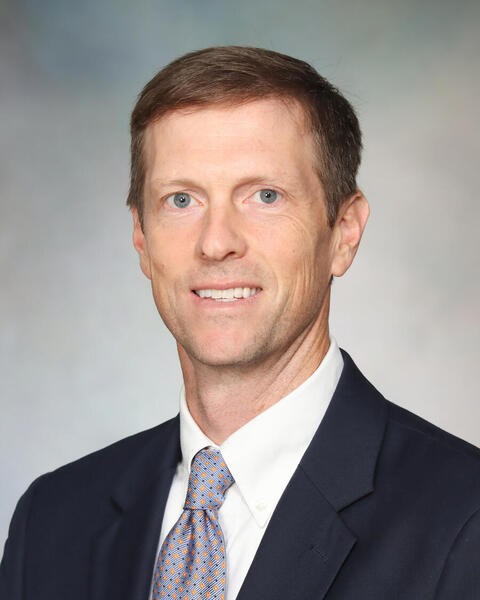
Medical Director
Dr. Dacre Knight is the Medical Director of the EDS & Hypermobility Disorders Center at the University of Virginia (UVA) in Charlottesville, where he also serves as an Associate Professor of Medicine. A board-certified internal medicine physician, Dr. Knight specializes in consultative and diagnostic medicine with a clinical focus on chronic disease, unresolved illness, and the coordinated care of patients with Ehlers-Danlos syndromes (EDS).
Dr. Knight leads the EDS Center at UVA with a mission to empower patients through personalized diagnostic evaluations and individualized treatment plans tailored to each person’s unique needs and health goals.
An active researcher and educator, Dr. Knight mentors medical students and residents, with diverse academic interests including the treatment of complex EDS cases and the application of machine learning and artificial intelligence to diagnostic medicine. Dr. Knight received the Pioneer in Clinical Care award from the Ehlers-Danlos Society for 2025.