The Biggest Mistake in EDS Care and How to Fix It with Dr. Ina Stephens & Dr. Dacre Knight (Ep 182)

What would it look like if people with Ehlers-Danlos Syndrome finally had a true medical home?
In this episode of Bendy Bodies, Dr. Linda Bluestein is joined by Dr. Ina Stephens and Dr. Dacre Knight to share the story behind the newly launched University of Virginia Ehlers-Danlos Syndrome Center, how it came to be, why it was urgently needed, and what makes it fundamentally different from traditional models of care.
The conversation explores the power of integrative, multidisciplinary EDS care, the consequences of fragmented systems, and why early recognition can profoundly change lifelong outcomes, especially in pediatric patients. Dr. Stephens and Dr. Knight discuss what patients can expect when seeking care at UVA, how research and clinical care are being built together, and why clinician education is essential to closing long-standing gaps in EDS care.
The episode also features a major announcement: a new collaboration between Bendy Bodies and the UVA EDS Center, uniting global patient education with academic medicine to help reshape how connective tissue disorders are understood, taught, and treated worldwide.
For anyone searching for what meaningful progress in EDS care could look like, this conversation offers a glimpse of what’s possible.


What would it look like if people with Ehlers-Danlos Syndrome finally had a true medical home?
In this episode of Bendy Bodies, Dr. Linda Bluestein is joined by Dr. Ina Stephens and Dr. Dacre Knight to share the story behind the newly launched University of Virginia Ehlers-Danlos Syndrome Center, how it came to be, why it was urgently needed, and what makes it fundamentally different from traditional models of care.
The conversation explores the power of integrative, multidisciplinary EDS care, the consequences of fragmented systems, and why early recognition can profoundly change lifelong outcomes, especially in pediatric patients. Dr. Stephens and Dr. Knight discuss what patients can expect when seeking care at UVA, how research and clinical care are being built together, and why clinician education is essential to closing long-standing gaps in EDS care.
The episode also features a major announcement: a new collaboration between Bendy Bodies and the UVA EDS Center, uniting global patient education with academic medicine to help reshape how connective tissue disorders are understood, taught, and treated worldwide.
For anyone searching for what meaningful progress in EDS care could look like, this conversation offers a glimpse of what’s possible.
Takeaways:
EDS care is most effective when it’s coordinated, not scattered across disconnected specialties.
Early diagnosis, particularly in children, can prevent years of physical and emotional harm.
An “EDS home” model helps reduce gaslighting, burnout, and fragmented care.
Academic medicine is beginning to catch up, creating space for evidence-informed, compassionate treatment.
Education itself is a form of care, benefiting both patients and clinicians navigating complex conditions.
Want to learn more about the UVA EDS Center?
For Appointments and Questions: RUVAEDSCenter@uvahealth.org
UVA EDS: https://www.uvahealth.com/healthy-practice/advancing-care-through-ehlers-danlos-clinic
UVA EDS FAQ: https://www.uvahealth.com/support/eds/faq
UVA Pediatric Integrative Medicine: https://childrens.uvahealth.com/specialties/integrative-health
Want more Dr. Dacre Knight?
https://x.com/knidac
Want more Dr. Linda Bluestein, MD?
Website: https://www.hypermobilitymd.com/
YouTube: https://www.youtube.com/@bendybodiespodcast
Instagram: https://www.instagram.com/hypermobilitymd/
Facebook: https://www.facebook.com/BendyBodiesPodcast
X: https://twitter.com/BluesteinLinda
LinkedIn: https://www.linkedin.com/in/hypermobilitymd/
Newsletter: https://hypermobilitymd.substack.com/
Shop my Amazon store https://www.amazon.com/shop/hypermobilitymd
Dr. Bluestein's Recommended Herbs, Supplements and Care Necessities: https://us.fullscript.com/welcome/hypermobilitymd/store-start
Thank YOU so much for tuning in. We hope you found this episode informative, inspiring, useful, validating, and enjoyable. Join us on the next episode for YOUR time to level up your knowledge about hypermobility disorders and the people who have them.
Join YOUR Bendy Bodies community at https://www\.bendybodiespodcast\.com/.
YOUR bendy body is our highest priority!
Learn more about Human Content at http://www\.human-content\.com
Podcast Advertising/Business Inquiries: sales@human-content.com
Part of the Human Content Podcast Network
FTC: This video is not sponsored. Links are commissionable, meaning I may earn commission from purchases made through links
Learn more about your ad choices. Visit megaphone.fm/adchoices
Transcripts are auto-generated and may contain errors
[00:00:00] That's probably the multimillion dollar question, and I think the answer is that we really have to teach the national and the international medical community. What is EDS? What is HSD? How do you diagnose it and how can you manage it optimally? I think that the number one thing in the United States to do is to get what we call the content specifications of what you need to learn in your medical specialty.
There has to be content specifications for that specific subspecialty or specialty, the EDS criteria.
Welcome back every bendy body to the Bendy Bodies podcast. I'm your host, Dr. Linda Bluestein, the Hypermobility md, a Mayo Clinic trained expert in Ehlers Danlos syndromes here to help you [00:01:00] understand your bendy body and live your best life. Today's episode is one I've been looking forward to for a very long time, and it's one you'll want to listen to all the way through.
We're talking about what it truly takes to build meaningful evidence-informed care for people with connective tissue disorders like EDS and HSD, and we'll be sharing some exciting news later in the episode about a collaboration that has been years in the making. I'm joined by two incredible leaders in this space, Dr.
Ina Stevens, interim medical Director of the University of Virginia, Ehlers Danlos Syndrome's Center, and Dr. Daker Knight, medical Director of the UVA EDS Center. Today we'll explore how the UVA EDS center came to be, what makes it different, why integrative and early care matters so much for people with connective tissue disorders, and how education both inside and outside medicine can change lives.
Make sure you stay with us until the very end. We're going to formally announce a new partnership that brings together academic medicine and global patient education in a way [00:02:00] that has the potential to benefit patients worldwide. As always, this podcast is for educational purposes only, and it's not a substitute for personalized medical advice.
Stick around until the very end to don't miss any of our special hypermobility hacks. And trust me, you won't want to miss what's coming. Here we go.
I am super excited to tell you about the Bendy Bodies boutique. I'm so proud of our fierce styles and flexible designs. These are created by hypermobile artists. For hypermobile shoppers. There are so many fun items from clothing, accessories, home goods, and my favorite are the bags. I especially love the weak, weaker tote with one of the EDS tough designs.
Whether you're shopping for yourself or someone you love, there's so many options to choose from. A portion of the proceeds goes to support EDS nonprofit organizations. For more information, please visit bendy bodies boutique.com.
Well, I am so excited to be here with Dr. Stevens and Dr. Knight. I feel like on the one hand, this [00:03:00] conversation is super timely, but at the same time, it has been such a long time coming. Um, thank you so much Dr. Stevens and Dr. Knight for joining me on Bendy Bodies today. Thanks for having us. Yes, thank you, Linda.
Yes, absolutely. Um, so Dr. Stevens, I wanna start with you. Um, we're gonna be talking about the UVA Ehlers-Danlos Syndrome Center, which is such exciting news. How did this initially come together? So, that's a really good question. Um, I actually, um, am a pediatric infectious disease subspecialist, and I also am, um, subspecialized in integrative medicine.
And so over the years, I have developed a number of different subspecialty clinics, including, you know, the Autonomic Dysfunction Clinic, the Infectious Disease Clinic, specializing in patients with long COVID, the Diagnostic Dilemma Clinic, uh, and the Integrative Medicine Clinic. And you could. [00:04:00] Sort of only imagine the patients that are referred to these types of clinics.
Um, they are patients that most pediatricians are questioning what is going on with this patient. This patient's been seen by multiple different subspecialists. They don't know what's going on. The pediatrician doesn't go on, know what's going on. So they're kind of sent to my clinic as what is happening here and, um.
This started probably about 10 or 12 years ago. And so I just started noticing that many of these patients were hypermobile. I will say, and this is not any hipaa, anything, but I myself have, um, EDS, uh, my family has it, I'm very familiar with it, familiar with the comorbidities, and I just was recognizing all these patients are coming in with hypermobility and multiple comorbidities.
So once you start collecting these patients, they just start coming. They come self-referred, more referred. So I now have a very large following. With that [00:05:00] being said, um, I've had a lot of positive feedback and a lot of very generous, um, help and a lot of, um, a lot of encouragement, enthusiasm to let's start an EDS center here, and that's what I decided to do.
Before you started the center, you knew that there needed to be some change. And what kind of experience were patients having other than coming to these other clinics that you had started, what did the picture look like before the UUVA EDS center was formed? The one thing I really wanna emphasize is that a lot of these patients came through the integrative medicine clinic and many patients don't know what does integrative medicine mean?
What is integrative medicine? And I kind of have the, you know, my, my approach to patient care has always been this, you know, holistic approach. You really have to work on healing the patient. You have to work on finding what is the underlying reason, why do they have these [00:06:00] problems? So much of medical care, and so much of what has happened to a lot of these patients is that they've gone to, you know, a physician and, and, and rightly so, and they've been given a treatment for their problem.
But it's been like one treatment for one problem. I kind of say it's been a bandaid put on that problem, and they still have another whole host of problems. Why do they have that problem? And so the integrative approach is kind of looking from the ground up. How did you get here? What is the underlying problem?
Is there a cohesive string that's bringing this all together? So, and how can we work to heal the patient? And so integrative medicine to me is really using the very best of conventional western medicine. I mean. I'm gonna give you, I mean, I'm an infectious disease specialist. You will get, you know, vancomycin if you need it.
But, you know, there's so many other modalities that can really be used to heal the patient. And I can [00:07:00] go on and talk about those modalities, but that's really taking in so much of their lifestyle. And you've talked about this so much on, on this podcast, but really healing the patients and then making them understand how they can work to make their, their, their whole bodies and their minds and their, their whole, their whole persona healthy so they can deal with this illness that they have or the symptoms.
So naturally I felt it, it kind of made sense in the integrative medicine patients and that is how I care for these patients. We work on healing them and whatever modality they need, whether it's more conventional, more complimentary, they're gonna get to me the what they need and the best of both. I love that.
And when I started my first clinic in Wisconsin, it was called Wisconsin Integrative Pain Specialist. Um, because that was that what I was planning on doing or that's what I did, I should say. Yeah. That use that integrative approach. I, so we're gonna talk about that more in a, in a little [00:08:00] bit. Um, Dr. Knight, I am so curious to have you tell us what drew you to building this EDS center at UVA?
Well, I, I think just hearing from Ina should be explanation enough knowing that, that she's here blazed all the trails and, and got everything in place because that's been really a gift to. Have someone who is, is already knowledgeable about the system. And then, and not to mention knowledgeable about care of patients who require, uh, you know, a lot of certain, um, direction and, and integrative approach or whole body approach, multidisciplinary approach.
We know all those things are best for the outcomes of patients. So, uh, that was it. I mean, I definitely, the opportunities to expand on the research programs that we had developed over prior years is, is a real great opportunity and, and really just to expand care and access for EDS patients, uh, up up the East coast.
So that was, um, [00:09:00] it was really enticing. Yeah, that the opportunity to work with Dr. Stevens had to be, uh, really enticing. I'm, I'm sure. And in terms of gaps that, that you see, that we all see, of course, um, clinically, structurally, culturally, um, uh, Dr. Knight, what gaps did you, have you seen, I should say, because I know you've been in this space for quite a while also, um, that made you realize that it was really clear that a dedicated center was necessary.
Well. I think anyone in this field knows that the biggest gap is really access to care. And, and there's various reasons for that. And we talk about healthcare models of systems reimbursements and, and so on and so forth, or primary care, uh, medical education for, for whatever reasons, access to care is, is the biggest gap.
Now I'm pleased to see that there are not only the program here at UVA, but other programs that are growing and, and budding across the [00:10:00] country, uh, to improve on that. But we still do have a long way to go. Yeah, absolutely. Um, so what does the structure, Dr. Knight, what does the structure of the UVA EDS center look like and how would you describe this as, you know, different than having an EDS clinic and, um, I take it that the structure is very intentional.
Can you describe us a little more to us about what this is going to look like? Sure, glad to. So the structure still is with the intention of keeping the patient front and center, you know, their, their outcomes, their, their treatment success is, is the number one priority. And, and now there's lots of things that go with that, of course, which we've had to design this center to, uh, to serve.
So one which we just mentioned earlier, is this integrative, multidisciplinary approach. So we have to connect with our partners and other specialties and to know how we will align our same treatment goals and, and. [00:11:00] To meet the needs of the patient. Uh, and then added to that, we want to advance the science for sure.
So we want to do better each and every year as we can, as we learn more about these conditions. Uh, so we've developed a robust research program in conjunction with this clinical care model. So, uh, we'll be taking in information for patients in the form of questionnaires. We hope to be designing clinical trials in the future too, testing various treatments, uh, options, and, and find success with those that we may develop further down the road.
And Dr. Stevens as Interim medical director, what were your priorities during this? What must have been a challenging, uh, transitional period? It's a great question, but my number one priority was having Dr. Knight join our program, um, as medical director. Um, no. When I, when I met, when I met Daker, I was just really impressed with what he had done down at the Mayo Clinic.
This is the model that I had [00:12:00] kind of wanted. Um, there were things that I had wanted to build on that, and I just felt, uh, that that was, you know, I really needed an adult counterpart. That was my number one goal. I need an adult counterpart right now at UVA or before Dr. Knight got to UVAI was kind of working by myself, solo.
Solo, uh, pediatrician taking care of people up until their sixties. And so that's a little bit out of my wheelhouse, if you could imagine. And so, but I felt it was really, really important to be able to at least hear their complaints. So many of these patients, as you know, have come in from years of fragmented care, and they either have been just given the diagnosis or what is still wrong with me, and being able to at least acknowledge that no matter what age, I think I was able to offer that.
And I still am able to offer that to a lot of adults. But, um, adults become more complicated as they get older and, and, and, and they have [00:13:00] different needs. And I'm a pediatrician, so I, my number one goal was to get the most excellent. Physician, internal medicine, trained physician. And, uh, so having, uh, daker, uh, join us has been huge.
The, um, the other, uh, major piece that I've been wanting to do is really, um, make whole with the university, the other departments. Kind of working with the other departments and letting them know about this new center. How can they help? Who can we identify in each other department or every other division who is going to be our character point in adult cardiology or pediatric gastroenterology?
How can we work so that we, you know, are gonna have a real collaborative group of faculty that are gonna be able to understand these patients? And then really working on just building the infrastructure of how we want the team to have the physical therapists, to have the nurse coordinators, to have, you know, care coordinators, to have the occupational [00:14:00] therapists to the pain psychologists.
All of that was, um, really paramount. And those have been what's been formulating over the past, basically two years. And we're getting it together. We have really kind of officially opened our doors December 1st. That's amazing. That's so exciting. And that is what patients need. I mean, we know that they need multiple different specialists.
They need coordination of care, they need that kind of support, like you're saying, from a, you know, nurse manager type person, care manager, whatever it might be. Um, so that's really exciting. So do you already have those people identified then in those different departments? Or at least, at least a fair number of them, I would say.
We have a fair number of them, and this is gonna take a while to build. Um, but we are really developing the infrastructure really nicely. Um, you know, the part of the immediate care team, we have that built, we have those, um, those, you know, the staff members, the faculty, um, and we're gonna continue to work to put the pieces [00:15:00] together, um, to really find where the gaps are and see how we can fill it as soon as, you know, feasible.
And, and Dr. Knight, when did you join the team and how have things even evolved since you joined UVA? Yeah. Well that's, I was just gonna add to what Dr. Stevens was saying. We, we, we were lucky enough to get started December 1st, but I actually came on in August and was working full time ever since I set foot on the ground.
But doing all of these things that, uh, we're describing, so, uh, building, meeting, connecting, you know, laying out the framework of, of how are we gonna get all of our partners together in one place on, on the same track. Yeah. I'm sure it all takes so much more time than you think it's going to take. It's like probably anything that's really important in life, you think it's gonna take a certain amount of time, but to do something really, really well takes a long time.
Right. I'm just gonna say, I never realized how long it takes Epic to make a template. Yeah, I'm sure working with Epic on all of this has [00:16:00] got to be, uh, very, very, very interesting. And, um, especially if you were using it before, integrative medicine obviously integrates everything. I, I sometimes joke, I'm so jealous of my husband, well, he's retired now, um, but he's, he's a urologist, so he could look at, look through the Epic and look for urology specific things, but for EDS, everything is relevant, right?
So it's like, you know, for, for us it's so much harder. So I'm, I would be fascinated to see how you devised that in Epic because so many things can be pertinent. Um, can you share anything more about that? Well, I, I'm very grateful for Epic because I think that I'm able to go through things very systematically.
I'm very grateful for my nurse care coordinators. Um, they have, uh, tremendous help, um, just kind of putting pieces together and, um, you know, I know I kind of know what to look for. Also, when, you know, I, I, I see the patient's complaint and I see [00:17:00] it's, uh, you know, abdominal pain or bloating. I will just go right to all their GI notes.
It's right there for me, things like that. So, um, it, it's a little daunting, but it, I have, I have a system now. No, that's great. That's great. So, um, can you continue on by telling us a little bit more exactly what integrative medicine is and why this is such a good approach for people with hypermobile EDS and HSD and, and probably other subtypes of EDS as well?
Sure. Um, I think integrative medicine is, uh, a, a really. Uh, it, it, it's the approach to use for anyone with a chronic illness, uh, with any kind of medical complexity. And when I say medical complexity, that, uh, just the definition of medical complexity means two or more body systems involved. So you had maybe heart disease and renal disease.
You have gastroenter, you know, uh, GI complaints and neurologic disease. I mean, that, that's what complex means. [00:18:00] Um, and so being able to kind of put that together and find out maybe potentially a single reason why, and EDS, you know, naturally kind of, you know, I can give the patient an explanation. Well, your GI tract is doing that because also your autonomic system is doing, you know, that and.
It gives them a sense also, I think of empowerment. The patients finally feel like somebody is listening to me. This all makes sense and I am not making this up. This has not been in my head. I am not, I am not crazy that I have these complaints and there's a, a, a kind of an underlying reason and we can work to start healing the body.
And so what I really emphasize is that we're going to treat the issues that we can. And I say, I have my non-pharmacologic regimen in our pharmacologic regimen, and we're gonna try whatever works for you and use that almost with every single system. And then we're gonna [00:19:00] heal your body. We're gonna heal, heal your body with decreasing inflammation.
Inflammation is a tremendously important. Aspect of anyone with chronic illness and exacerbates everything. So quieting down information through dietary guidelines, through sleep, sleep, hygiene issues through exercise through I will use potentially supplements or herbal medication. Um, you know, um, deep diaphragmatic breathing, enhancing vagal nerve stimulation.
I think that's exceeding, I mean. To me, vagal nerve stimulation cannot be talked about enough. I can give a whole discu a whole nother lecture about that, but I teach that to my patients in the clinic. I start out almost every visit, even an initial visit, ending it by teaching them just primary deep dive, pragmatic breathing.
Like, here, do this at home, practice this quiet down, and then we can start really working on the other aspects of healing. Um, so it's really bringing in a lot of lifestyle. I, I, I hate to use [00:20:00] the word lifestyle management or lifestyle medicine, but very much so. And then there's other modalities that very individualized can be used depending on the patient.
So maybe acupuncture for pain management. Um, that's just, you know, biofeedback, some c bt like therapies. Um, I can go on and on. Aromatherapy, that's multiple different, um, other complementary measures that can be used depending on patient's. So I feel that it, it really works because the patients often come to me again with multiple comorbidities and they say, I don't know who's even taking care of me.
You know, so they have such fragmented care and being able to give them this, what I call and what daycare and I have kind of discussed. Our center being is an EDS home, they have an EDS home, and we are kind of addressing this issue of fragmented care and healing them from the ground up. [00:21:00] I think that's so important.
People say to me all the time, you know, can you be my EDS quarterback? Because they, they really want, like you said, that that home, that that person who is willing to look at a lot of different aspects of their, of their life and their symptoms, and so I think that's such an important approach that you personally have taken with your patients, but now expanding it further into this actual EDS center at UVA and it's just, it's just so exciting because I also feel like this is going to help.
So much with earlier recognition. So, um, Dr. Knight, I would love to hear from you about what you have experienced over the past. Well, first of all, you could tell me how many years you've been taking care of EDS patients. I think I know the answer, but, um, over that period of time, what you've seen in terms of, uh, delayed recognition and what happens and what do you hope to happen at UVA with not only earlier recognition, but [00:22:00] also with this concept of the EDS home and a patient actually finally being able to have that.
Yeah, that's a great question because we're talking about other gaps and this is certainly another one of them. So we started the Mayo Clinic EDS clinic in the fall of 2019 and been doing it since. And we, and fortunately that was a gap we had, we didn't have, have pediatric care at, at, at that clinic. And so we would very often get.
Patients who had children. And then the next natural question is, I think I see some signs in my child, what do I do? And we did have some partner geneticists in the area. Uh, maybe some pediatricians who are knowledgeable in the state of Florida. Uh, but you know, those, those were long wait lists themselves and not really accessible.
Uh, so it's definitely, it's, it's huge advantage to be able to partner with Dr. Stevens as a pediatrician and to be able to link all of these things [00:23:00] together. Because yes, to your point, early recognition is, is critical. And so the, the message initially to parents was that if you do recognize signs and symptoms in your child, then they should have their own evaluation.
You know, you can certainly educate them and, and share the things you're learning, how to prevent injuries and so forth. But everyone is unique and, and they may have things that would not be recognizable just by as a parent alone. So, uh, we do recommend everyone who may be affected to have their own clinical evaluation.
And so we talk about, you know, ear early diagnosis, uh, is critical for a number of reasons. Not to mention just at, at least serving them with an understanding of where their symptoms may come from. So many patients describe childhood and lifetime of being told that everything's okay, or just being gaslit into this understanding that, you know, these are just growing pains or whatever.
Nothing's wrong. And, and so we want to at least serve them with [00:24:00] some understanding and some knowledge, right? That empowers them with then further, uh, knowledge that they may gain through, you know, different networks of community, of doctors or, or patients, uh, who can kind of guide them along the way. But what we want to do is, yeah, we want to get patients in as soon as we can here and then in the future when we're coming up with, um, a better understanding about, uh, scientific, you know, what we call the natural history of disease.
So, you know, what may be some manifestations of symptoms at certain milestones, uh, from birth into old age, uh, then we maybe have better screening tools that we can put in place in at different age groups. So we're not there yet. I mean, we're still gathering, gathering as much information as we can on the natural history of EDS.
Uh, but we're still in the early stages of that. And so with having this, um, the center and having multiple physicians involved, nurse practitioners, I'm sure [00:25:00] PAs, et cetera, um, is it true that any age person could come for care? Yes. That's, that's the idea. And, um, yeah, and, and it really does span the whole range of ages.
Uh, you know, obviously for various reasons, you know, it's theoretical reasons. We still see it that the highest number of patients to be in their twenties and thirties. Um, and we think maybe this does relate to some of that natural history I'm mentioning. Where there may be is some injury that has been going on through teenage years, through other activities, through dance or sports, uh, that it kind of reaches a tipping point, um, when they enter their, uh, thirties.
But, um, but there are definitely some things that we can do to recognize early on, and there are some, some patients who, you know, just happen to come upon EDS, whether it's a, you know, a physical therapist or just a friend who mentioned it to 'em, and then they start connecting the pieces and they may be later in life and, you know, it's still, you know, [00:26:00] serves them well to know what they can do to help with any of the conditions and symptoms that may be suffering from.
Dr. Stevens, I would love to hear from you because you are a pediatrician. Um, you know, we do think of these often being diagnosed later in life, and I know that there is, uh, different criteria that have been introduced. I believe the pediatric Hypermobile EDS criteria were introduced in 2023. We have the 2017 Hypermobile EDS criteria that were introduced by the EDS society.
I know there's other countries that use other different sets of criteria also. Um, what do you think the value is of diagnosing these conditions in pediatric patients? That, that's a great question and I get asked that a lot. Like, why am I seeing this five-year-old? Why am I seeing, you know, even, you know, a 12-year-old who hasn't quite hit puberty yet?
I think that, you know, um, ed, uh, first thing I have to say, and I have to say this to a lot of physicians, EDS doesn't start when you reach adolescents. It doesn't, okay, [00:27:00] this is something we've been born with and there are signs that can, there can be signs from the very earliest first year symptoms of even just like developmental delay.
You know, hypotonia, delayed walking, um, delayed teeth, you know, teeth coming in late, or, um, you know, feeding issues. They're not swallowing properly. Chronic constipation, I mean, how many five year olds do I see that end up having onco Parsis as an 8-year-old? Onco Parsis means, uh, for those of you who don't know, it's, you know, withholding, uh, the stool.
So they could go weeks without going to, uh, having a bowel movement and. This is not only physically traumatic for these children, but very emotionally and mentally traumatic. If you could imagine being one of those children and, and having the, the comorbidities that even come along with that. So, you know, and I see these patients that come to me that have been already seen by multiple different subspecialists at the age of, you know, [00:28:00] eight, nine, they're being told they have so many problems and it's all in their head and they're, they have a lot of, already some mental health issues with anxiety.
80% of children with EDS up, even up until adolescence can be diagnosed with some sort of anxiety just due to the fact that they have so many medical issues. So I think diagnosing them early and identifying problems early is, is tremendously helpful. Musculoskeletal. It's huge. I, I see children walking into my clinic that have, I mean, their, their, their legs are, are, are collapsing inwards due to some pretty significant pestis, uh, ankle pronation.
Then their knees are going and then their hips are clicking out and causing them problem and it's all connected. And if we could have gotten them into a pair of maybe good arch support and AFOs with prosthetics and orth orthotics at the age of four or five, it could have prevented some of these issues if we could have [00:29:00] gotten them into some mind body exercise for having them, some give them some control of their body, like ballet or, or, you know, and I'm speaking to, speaking to the choir here, Linda.
I mean, you know that, and I, I was a ballet dancer before medical school, but I think it. Actually saved me because it gave me body awareness. It allowed me to start utilizing my muscles and not leaning into my joints at the age of, you know, 13, 14, 15, um, I was using my core musculature. So getting them into some kind of mind body exercise, whether it's dance or Pilates or, you know, um, uh, a martial art and having them notify their instructors, I am hypermobile.
Don't overstretch me, help me out appropriately. I think it just ke it, it, it makes for a healthy body further down the road. So that's why I think it's important to diagnose the children. Oh, that, that's [00:30:00] so compelling, you know. I see so many people who have been gaslit and when that happens, like you said, it's the exact opposite of being supported and validated and be being given what's often some, you know, relatively small interventions and things that can be, you know, quite safe even in children that you just, you know, it's just, um, it's heartbreaking when you hear too.
I'm sure both of you feel this way when you hear things like, well, why bother with the diagnosis? Because there's nothing you can do. You just gave us a litany of things that can be done. Yeah. I wanna add one more thing to that, if that's okay. That, um, there had been quoted data, and I can get you this research, but bottom line is that up to 86% of children that have been diagnosed with EDS at some point of their life have had.
Severe problems as a child with school performance, school disruption, either dropping out of school, having academic issues because they can't make it through [00:31:00] school. And it, that's tremendously important. What does that do to a child who basically says, I, you know, I, I, I'm, I'm performing poorly. That just sets them up for like, well, I'm just gonna, you know, I'm not gonna make it, you know, intellectually or academically.
And, um, I think that can be very damaging to a child. So, and up to 86% of children report some kind of, uh, mental health issue, such as, uh, the school issues like I just mentioned. And to prevent that is tremendous. Huge, huge. And if you can help a child. Then you can maybe give them, you know, 80 years of quality life as compared to, you know, I mean, not that we don't all want to work with older people as well, but um, it just makes such a big difference if you can intervene at that early age.
Um, we're gonna take a quick break and when we come back we're gonna talk more about the new EDS, uh, center at uva, which is so exciting [00:32:00] and I'm sure everyone by now is like, wait, wait, how do I sign up? What, how do I get in? What do I need to do? Um, so we're gonna talk about that as well. And we also have an exciting announcement, so we're gonna take a quick break and we'll be right back.
As someone with EDS and who treats patients and does lots and lots of these podcasts, I am always looking for products that are gonna help me be more comfortable. I wanna tell you about Cozy Earth. There is nothing more comfortable than getting into a cozy bed and making, being at home the very best part of your day.
Cozy Earth is so confident in their products that they actually offer a 100 night sleep trial. This is insane. If you don't love their sheets after a whole 100 nights, you can actually return them hassle-free. And they also offer a 10 year warranty. That's insane. A whole decade. So start the new year off right and give your home the luxury it deserves.
Make your home the [00:33:00] best part of life. Head to cozy earth.com and use my code bendy for up to 20% off. And if you get a post-purchase survey, be sure to mention you heard about Cozy Earth right here on the Bendy Bodies Podcast. Give the gift of comfort that lasts beyond the holidays and carries into a cozy new year.
Thank you so much for listening to Bendy Bodies. We really appreciate your support. It really helps the podcast when you like, subscribe and comment on YouTube and follow rate and review on all audio platforms. This helps us reach so many more people and spread the information to everyone. Thank you so much again, and enjoy the rest of the episode.
Okay, we are back with Dr. Stevens and Dr. Knight talking about the exciting new center at UVA. And I would love to hear, um, Dr. Knight from you next, um, what can a patient expect now if they call, or you know, if their doctor's office calls and [00:34:00] says, I wanna get a patient in. What does this actually look like right now?
Well. Yeah, that, I mean, to be perfect, honest, they can expect a bit of a wait because there has been so much demand. Uh, you know, I hate to say, but I mean, I guess it's a good problem to have, right? I, we, that's why we're here. Uh, but you know, we, and we're growing as quickly as we can. Trust me, we're you, we're hiring, we're interviewing, uh, and I have interviews again more tomorrow, so we're doing as much as we can, as best we can.
So, I mean, yes, step number one is to get on the wait list and, uh, and, and we'll work our way through it. And, and we've already picked up, you know, just rolling along quite, uh, efficiently here, so, uh, it, it shouldn't hopefully be too long. Um, but, you know, all of those things are, are still kind of being, um, being, uh, ironed out.
So, uh, that, that is the, the main thing. Now, you know, the, the next question is too, patients come. To ask our about, you know, records and medical records and things like [00:35:00] that because, you know, many of our patients are coming outside of the university health system, uh, which is, which is good. We want to reach as far and wide as we can.
Uh, so, um, and, and we accept records electronically. We accept records if patients bring them, uh, with them, and that's fine. We can scan them in, get them on their chart. Uh, but really, I also just don't want to take away from that visit, that initial visit, which is so important to just sit down and talk and just kind of be heard and, and not to have all the anxiety around records and what records have come through and things like that.
Rest assured, we'll get them all as we need, um, and, and we'll do any additional testing if not yet completed. Uh, but, um, that's what I think we can say would be the expectations at, at least at this point. So if a patient has an interest, they should get on the wait list sooner rather than later. Um, they're not committed to anything, right?
They don't have to. Pay to get on the wait list or any, anything like that. Right. So if they, if they think they might want to be seen, they should get on the [00:36:00] wait list. That's right. And, and, and we do accept self-referrals. And I don't know if you have show notes where we can list our addresses and numbers so we can have all that, uh, to be shared.
Yes, we will definitely include all of that in the show notes so people know exactly what they should do. And, um, like you said, rec records, they can, they can worry about that part later. Um, what about different states and different countries who, who can be seen. So, uh, this is a good question and, and actually I'm going to add on one more thing too, in case you didn't ask, uh, which is patients who, um, are already seeing primary care doctors keep working with your medical team as you're doing.
If you're on the wait list, you know, no need to pause anything. Keep your routine follow-ups that you're doing, uh, with your local doctors. Uh, we'll pick up where we need, uh, and yes, so we do see patients in person for the initial visit. Okay. So every patient would be seen in person wherever they're coming from.
That's fine. [00:37:00] Now some of the legislation and policies around video visits and telemedicine kinda limits us as far as we doing, doing follow-up visits. We'd like to do as much as we can by telemedicine just for accessibility, uh, for us and for patients. Uh, but the current, the current state of the situation is that you have to be in the state of Virginia for a video visit, which is really, I mean, the irony is not lost in us, right?
That the patients who need that the most are the ones who are coming the fur furthest away. Uh, but you know, these are just the, the politics that go behind healthcare that I can't really fix too much too soon. Yeah. No, I, trust me, I totally get that. I, yeah, it's, it's, it is ironic. You're exactly right. Um, so, so somebody though, I just wanna make it, make sure that it's abundantly clear.
So they're coming to UVA in person for the first appointment, but they could be from any state in the US and they could be from any country. Is that correct or am I wrong about part of that? Yeah. So the only thing about [00:38:00] countries would be about reimbursement, right? About or about coverage, right. You know, whether they're going to get in insurance coverage and it's just depending on whatever their provider is or if they have to pay out of pocket, you know, and, and that varies per individual, um, and what they have.
Okay. So let's, so let's say somebody's gotten off the wait list, they've gotten this, uh, uh, you know, news that they have an appointment. What can they expect at that actual appointment? Yeah, that's a great question. So, you know. Maybe even, maybe even some of this information. Well, we have a website we can share that as well, uh, where we kind of give an outline of, you know, what are the goals and what's the mission of the program.
Uh, and, and I touched on it too, that we want to serve as an EDS home. So, uh, this means that, you know, we want to, and, and this can be a lot of things related to EDS, right, as far as healthcare and concerns and, and issues go. Uh, but that's what we're set to be. So we want [00:39:00] to just kind of, you know, go through that as a, as an initial.
Um, touchpoint for patients to understand where we go on from there. Uh, we do recommend patients to keep a primary care doctor just for other health needs, whether it's cancer screening, immunizations and things like that. Um, uh, that's good to have. But anything related to EDS symptoms of EDS, pots, mast cell activation, so forth, all these things that we see run together so much, uh, that's what we're here to serve.
So that official visit, you know, some of those, sometimes those questions come up. Uh, so you know, what exactly is the role, what is, you know, follow up look like and things like that. And those are very important questions. Um, and we do want to allow as much follow up as needed, really. And, and that could be some more, some less for some patients, right?
And, um, some newly diagnosed patients who are just coming onto it with a whole plethora of symptoms, they may need a little bit more guidance and [00:40:00] care. Um, whereas others who are, you know, just kind of told that maybe you have EDS going get it checked out, the symptoms are really bothering them, then maybe there's not so much follow up that's needed.
And then, and we've seen the whole range. So, uh, that's something that we might wanna make sure we outline to that first visit. Also on that first appointment, what we are going to plan on doing once we actually fully get ourselves established in our facility is also have the patient evaluated by a physical therapist.
Um, we're gonna have, uh, surveys done, see if there's, you know, any kind of psychologic needs specifically for kind of chronic pain dealing with, uh, chronic pain, dealing with having a, you know, a chronic illness. Um, so psychological services. Um, and then uh, getting involved with potentially some research, um, ongoing clinical trials that, um, baker has kind of mentioned that we have a lead ready put into the pipeline.
So that first visit, um, eventually is probably gonna take the whole like afternoon [00:41:00] or the whole morning. 'cause you're gonna be seeing multiple providers. That's really what I was trying to figure out. Like if somebody, um, may, and I understand that it's gonna look probably very different in five years as compared to how it looks now.
So, um, in the future maybe somebody's gonna come in and they will actually see multiple different departments while they're there. Is that, is that kind of the idea? Yeah, that, and that's part of what we're building to now as we speak. So our physical therapy team, occupational therapy, nutritionists. Pain psychologists, um, all of those, yeah.
So those are all being, um, put in place and to be embedded in our setter and in the same physical location. So it's in conjunction with all of that Yeah. As initial visit. So I'm glad you Yeah. Asked that. And, and yeah. And so to, to that point, um, there are yes, lots of symptoms and conditions too, which we would want to get as much information we can and we can get some of those [00:42:00] from medical records.
But yeah, I highlighted that another expectation will be some questionnaires and things to fill out. And I apologize in advance that some of them can be lengthy, but we know that the list of symptoms and conditions can be quite lengthy and complex too. So we wanna make sure we capture it all. But in our experience, we've actually had patients, uh, say that they're very happy to fill out this questionnaires is the first time that someone's, you know, really given them the time.
To ask and ask the right questions, you know, things and sometimes they learn things from their questionnaires that they didn't realize that maybe this is connected. So I, I think it, you know, it helps both of us. Yeah. I've had that experience as, as well. And um, yeah, sometimes people say there will definitely be certain people who say, oh my gosh, that was so exhausting.
And with brain fog and different symptoms can be very, very challenging. But at the same, but at the same time, like, I'm so grateful somebody finally asked me these questions. 'cause yeah, sometimes the light bulb goes [00:43:00] off that, oh, maybe that particular symptom that I'm having as not normal. 'cause they see it asked on a questionnaire or something.
Um, so Dr. Stevens, how do you see this work creating a ripple effect beyond UVA? Oh, that, that's, that's probably the multimillion dollar question. And I think the answer is that we really have to teach the, um, the American medical community, the, the, the national and the international medical community that, um, that what is EDS, what is HSD?
How do you diagnose it and how can you manage it optimally? I think that the number one thing in the United States to do is to get, um, what we call the content specifications of, you know, uh, what you need to learn in your medical specialty. There has to be content specifications for that specific subspecialty or specialty.
The EDS. Criteria. Like for example, if you are an ophthalmologist, you should be [00:44:00] able to recognize that if your patient comes in with severe myopia as a child and maybe some lacuna, retin eye ding, ding, ding, maybe do a bait and score on that patient while they're sitting in your ophthalmology chair. I mean, every physician needs to know how to do a bait and score.
I don't care if maybe not a pathologist, but basically every other physician needs to know how to do a bait and score. Every pediatrician needs to do it on a well child exam. Um, and if you're seeing a comorbidity, if you are a gastroenterologist and you're seeing a child with cyclic vomiting and chronic constipation.
Ding, ding, ding, do the bait and score. That should be in the content specifications. And I can't begin to tell you how many times these children come to me with those as the baseline issue. Again, they came into integrative medicine because they have cyclic vomiting and migraines, and it's all in their head.
Please go see the integrative medicine doctor and help maybe do some deep breathing. And I'm like, well, maybe [00:45:00] are, are you also developing a bunch of hives and rashes and do you get dizzy and your bait and score is an eight out of nine? Well, that's interesting. And so I think every physician should be really kind of like alerted to this.
So having this put into the content specifications through the L CME, through the A-C-G-M-E, I think is going to be paramount. That's that's absolutely number one. And that empowers, um. It empowers pediatricians, it empowers the internal medicine doctors, it empowers physicians just to be able to give the patients some kind of answer.
So I, I, I actually think that's the number one answer we have to get, uh, the, the education into the medical school, the training programs, and the fellowship programs. There's that, that's how to spread this information. Yeah, totally agree. And what about clinician education? How, how important is that to the mission of the UVA EDS center?
Well, I, I also want, uh, Dr. Knight to kind of expound on [00:46:00] this further, but we are putting together a clinical and research symposium that we're gonna make annually our, uh, first symposium. And that was kind of like one of the first things we talked about when Daker joined. Um, back in August. I said, I wanna have an annual meeting.
I wanna get experts from, you know, internationally, nationally, and to discuss the latest in research and, you know, clinical care and have. Um, teach the physicians here at UVA and further. Um, and our first symposium is this, uh, April, April 9th and 10th. So, um, I'm really, really excited about it. That's amazing.
That's fantastic. Dr. Knight, do you wanna add anything to that? 'cause that's, that's, I, I, I think that's fantastic news. Yeah. Well, no, I, Linda, I think your question is excellent. Is like, you know, what do we want to see happen from building this program? Well, you know, I, for one and IA two, wanna see our program to succeed, right?
And, and we [00:47:00] not only, you know, for the purposes it serves UVA and, and for our patients, but for that reason to provide motivation and assurance to anyone else who is considering this. 'cause I know there are lots of institutions who are considering this. I've had lots of people reach out to me who have asked, you know, you've, you've done this.
How do you do it? How, how, how can we get started? And so I feel, you know, a little bit like we're, we're flying to the moon, right? And, and if we land on the moon and we can say we have achieved it, then it, that gives reason for others to believe that it's possible too. And, and that's what we really want.
So yeah, the burden on is on us to, to see it through, to see it succeed and, and, you know, there's, there's a great weight and responsibility, but I think the benefit from that would be that other institutions can be assured that, that it is a i'd a good enterprise to embark on. And, uh, it's good for everyone.
It's good for the institution, it's good for the patients, for [00:48:00] providers. Um, you know, we have a place for patients to go now. Whereas in the past, you know, providers are kind of just, you know, kind of. Play hot potato and patients would feel that. And, and so for all those reasons, it, it's really, it's, it's critical that we, we, we do succeed and, and I'm confident we will, we've got all the right astronauts on this rocket ship to, to get us to the news.
So we're, we're well on our way. I would go so far as to say that it is critical for society with, with the number of people that seem to be impacted by these conditions. I, I dunno how much of it is COVID, how much of it is of course, selection bias? Because you know, the audience that I am serving, you know, they, you hear from all these people and so, you know, you talk to people and you're like, oh, you don't have chronic pain.
It's like, wow, that's like so refreshing. But I feel like it's critical for society because if we don't do things like this, then we're gonna have this massive generation of young people that. Potentially grow [00:49:00] up with chronic pain. They're not able to have fulfilling careers and be able to contribute to society.
And it's my understanding, we already have a workforce shortage, but if we don't address these problems and, and really help people regain function and improve their quality of life, I think that we could really be, um, in a huge, huge, uh, state of hurt as a society. Yeah, a hundred percent. And I mean, it's crazy to think too, uh, looking back, you know, what have we missed over the decades prior?
Right. And, and we know we've gone through opioid epidemics and things like that, but yeah, we, yeah, we have all the reasons why we wanna get it right. Okay, well, we are also formally announcing something really exciting, a new collaboration between Bendy Bodies and the University of Virginia AOR Danlos Syndrome's Center.
So I am so excited about this and have been wanting to make this announcement for such a long time, and to have both [00:50:00] of you here for this announcement is just really, really thrilling. Um, either one of you can start, but I would love to hear from you what, uh, this partnership means to you and, um, if we can explain to people what the partnership actually involves.
I, I can say I'm for one very deeply honored because I know this is such an excellent program. It's got, it's had such an impact on this community, and so if there's anything we can do to serve it from the bottom up as well, and with the, with the clinical care and research and all of those things that we want to get together, then I can imagine that the, the sky is the limit, right?
Yeah. I, I just want to say, I, I am also so thrilled and so honored by this, um, Linda, I have been listening to your podcast since the get go. I've listened to every episode, um, and I have referred it to just about every single one of my patients, and they come back to me with questions with, I heard this on your podcast.
And, um, it just [00:51:00] makes for the conversation to be easier, smoother. They know what they're dealing with. I know what they're thinking. Um, and, um. I am. I am just deeply grateful. I'm really, really grateful. So grateful that you're having us on the show today, and just grateful to be part of it. Thank you. Yes.
Yes, me too. I'm so excited and I think that, you know, I'm excited about all the research that you're going to be doing, all the people you're going to be serving. I mean, it's just so exciting. And then together how we're gonna be able to combine our different strengths because we are doing, you know, enough different things, but we're gonna be able to help so many people.
Because one thing that I realized a, you know, a long time ago before I started the podcast was there were so many things that were discussed in one-on-one visits that could be one to many. So. I tell people, you know, very frequently, go listen to this particular episode, rather than spending that time in the visit discussing something that maybe they could go, you know, learn and they can spend more of the [00:52:00] time with their clinician on things that are very, very specific to them.
It can be more efficient. And, um, so yeah, so I'm so excited about, about this partnership and I think we're gonna be able to help so many people, which of course all three of us share that incredible passion, um, to help as many people as we possibly can. So what did I not ask you that you wanted to talk about?
Like, I wanna know, you know, what do you think makes this the right moment in the evolution of EDS care to be doing things like this? Well, you know, I think looking back on, you know, we talk about how there is, you know, access issues and there's also a growing interest in this field. There's institutions and programs that are starting across the country.
And we look through, you know, through some of the scientific criteria that has changed over the years, uh, from the nineties to, um, you know, early two thousands and [00:53:00] 2017, and then being revised again and, and looked at more closely again now. So I, I see that it kind of comes in these little waves, uh, where, you know, the, the criteria is being looked at and it is being distributed.
Uh. But what we know is that whatever is being published and being studied is that these patients are still there living day-to-day lives and still being affected. And, and so, you know, we, we want to be a steady force. You know, you, we get a lot of excitement and, and build up and, you know, the wait list grows, but we want to have, you know, not only access to care, but this, this steady flow of information and progress that's being developed, uh, in these care models and, and in the understanding of the disease altogether.
So I think that's important where, where your voice has, has been so critical to reach so many that, you know, otherwise may not have access. And I, I've said the exact same thing too, that, you know, maybe you can't get in to see this specialist, but check out this podcast or check out this resource that has that material [00:54:00] that specifically pertains to you that will be of benefit to you.
So I, I think that is, that is huge. I, I absolutely agree. And the, the other thing I, I think just when you say, why are we doing this now? And it's important now, I think now there has been such, over the past 15 years, just so much more understanding and explosion of research. People that have been identified with it, I mean.
Linda, I, we went to medical school way back. I did, I went off too a hundred years ago. And all we knew about el, all we knew about ER's, Danlos was the one picture the guy was holding onto his face out here. You know, that was the one picture, one sentence. And, and nobody really cared about this forgotten zebra disease.
I think that we all know that it's not a zebra. It is far more common than that. Some aspects of it are far more common. These people need help. We need help. The community needs help, the [00:55:00] medical community needs to understand and get on board. And so I think there's been a tremendous, um, there's been just tremendous momentum over the past 15 years.
And so I think that developing the center at this time, we're at the, we're at the height of the momentum. I'm psyched. Yes, yes. And there's still too many people who don't even know that, that this is a thing. I mean, I, I ran into somebody, not ran into, I was, I was in, in a hot tub with somebody and, uh, they ended up actually ultimately becoming my patient.
And they were like, I had no idea that, that, they literally said that I had no idea this was a thing. And they had had so many injuries as a gymnast. And, you know, uh, we just, we just need to reach more and more people so that they know to stop blaming themselves and that there are things that they can do, especially using an integrative approach, like what we were talking about.
Um, Dr. Knight, when you look ahead, what do you hope that this partnership with bendy bodies, uh, between UB, between bendy bodies [00:56:00] and UVA, what do you hope this partnership will make possible for patients who are still really desperately searching for answers? Well, maybe I should spend some more time in hot tubs to find, to reach out to, to these patients because I know they're out there.
They're out there. But you illustrate it well, is you, yeah. You never would know where to expect to or, or come across in patients. And that's what we say about EDS right in, in our community of physicians and, and that, that you not usually do you find EDS, EDS finds you, right. Whether it's something that you've been impacted by symptoms wise or, or you just, you know, coming, talking to someone in a hot tub.
But it, it finds you and, and you, you know, it kind of opens up this world of, um, you know, opportunity for understanding and if you're a researcher, opportunity to investigate, if you're a clinician, opportunity to improve the lives of patients you're treating. So, uh, I, I think we need to, you know, seize that [00:57:00] and, and take, take advantage of, of those opportunities.
And I think what you said about clinicians really makes a lot of sense too, because I think sometimes, uh, some clinicians hear EDS and I, I don't know about the two of you, but I've heard fibromyalgia referred to as the F word and EDS referred to as the E word. Um, there's that stigma that we also really need to work on and really need clinicians to understand that if they learn about these conditions, they can actually help more people, which hopefully is why they're taking care of patients in the first place.
So I really feel like. We really need to work on that aspect of things, the stigma and the, you know, hey, here's something that you can learn about that then can give you some tools that you can help more people and be more effective in your clinical care. Yeah, absolutely. I, I think about it too, in the sense of what Ina was referring to earlier, we need to improve the American medical education system [00:58:00] altogether.
But, you know, in the interim, as, as best as we can on our own, um, maybe, you know, we can show in that there is real improvement in our patients, right? I mean, that's, you know, going to help not only patients themselves, but here is evidence. Here it works and you can do this too. Right? Uh, it's, it's possible, it's within your grasp.
So, uh, we, we want to serve that as an example to others. Exactly. And, uh, Dr. Stevens, for those who are feeling hopeful for the first time in a long while, what else would you like them to know? Maybe in, in reference to what Dr. Knight was just saying, because I know that you, with this integrative approach, have really had some great successes.
So I want people to feel like really hopeful right now. And I, I know that you are so skilled at what you do and you've done so many amazing things, getting this center off the ground. But what else do you want people to know? First of all, thank you. I just so appreciate those words. It means a lot. [00:59:00] And, um, I think that the most important thing that I want patients is to know is that I think that you're finally gonna be heard.
And if you're not, please don't take no for an answer. Please go find somebody that's going to listen to you. I say this to every single patient, pain sucks. It does. I've been in chronic pain. I know what it's like. My children have been in chronic pain and nobody can see your pain. Nobody sees it. Nobody feels it.
And it's kind of unfair for somebody to look at you do an exam and say, well, you look great. Please leave my office. So I think that what I wanna say is that having a center like this, having a platform like bendy bodies that you have put out and having this, it is just gonna be further empowering to all those out there that are, that are [01:00:00] struggling and that I think that, you know, keep, keep, keep moving on, keep, you know, go onward.
Help is on the way and the help is gonna be out there. That's what I had to say. Love it, love it. Don't give up. Um, you know, and yeah, that's, that's. I love what you just said about no one else can see your pain because, uh, you know, I've gaslit myself for that exact reason that you just described because the clinician I was seeing didn't understand the pain I was experiencing and didn't think that the imaging findings would match up or whatever.
And so then we start to doubt ourselves. So I love that you say that to all of your patients, um, because it is really important. So I love to end every episode with a hypermobility hack. And do either of you or both of you have a hack to share with me? Um, Dr. Steph, Dr. Stevens? We could go with you first maybe.
Sure. Um, I think the biggest hack I have is that. We need to have an EDS home in just [01:01:00] about every community. And so I'm, I'm, I'm, I'm kind of speaking to the medical community out there. This is your hack. Start thinking about how you can build, if you're, you know, in a area that we don't have an EDS, you know, uh, facility or start learning about it and start thinking about how you could really work to heal the patient.
But an EDS home is really important, and this is different as you know, Deko mentioned this is different, uh, from A PCP. We are not necessarily there for year. Unfortunately the 103 fever and the pneumonia, we need a PCP for that on, you know, and we need, we need for immunizations. But to have an EDS home where you can feel that your care is being listened to, being put together, the subspecialties that, a subspecialist that you need to see or going to be accessed appropriately, um, we need to have that throughout the United States and we need to have a network of it.
Um, I kind of look at this almost like it, [01:02:00] uh, there's a, um, there's an image that I'm thinking of in Hindu philosophy where it's like this diamond that reaches every, every, every network reaches another piece of the network and we're all so integrated and if one little piece falls out, the whole thing falls apart.
We all have to be together in this and we have to build it. And, um, I think. That's the message that is the biggest hack for the community. That's a huge hack. That's a huge hack. Dr. Knight. Well, I'll, I'll give Ina one more of her own actually. 'cause I know she's so savvy in these areas, but is diaphragmatic breathing it?
I've, I've seen her do, I've seen her counsel patients on as I've shadowed her, and she does an excellent job, and I agree with her. It, it does have rebounding benefits. Uh, so, um. I'm still learning from her about all the tips and tricks of counseling on that. But, um, mine is, I, I think it, you know, a little bit to echo on what you're saying, Linda, is, is listen to your gut.
I, I came across an [01:03:00] old quotation, uh, some time ago. I thought it was really poignant here, is listen to your gut. If you can't hear what your gut is saying, you're thinking too loudly. Oh. And that may be the time that you are gaslighting yourself if you're, you know, kind of overthinking or justifying whatever.
But if you know something's wrong, something's wrong. And I, I have, I, I'm so much, um, I, I, I just can't tell you the, the patients that, that come in and they've pushed against all the forces against them coming in. You know, it impresses me so much that they've, they've. They've carried that weight, but they knew deep down that just something wasn't right, no matter what they were told.
And, and sure enough, it wasn't, and it was so good of them for being here, uh, with me and we can start working on it. But, um, you know, I, I've, I've, I've got, you know, you know so much to say about those patients. It's, it's really amazing. Amazing. Yeah. I think trusting ourselves is something that we, [01:04:00] I I love that you're thinking too much, you're thinking too hard because, uh, I, I definitely am guilty of that.
And I think that it's really an important thing for us to, to tap back into our intuition and listen to our gut. So I think that's really great. Okay. Where can people learn more about the UVA Center? Either of you can answer that one. We do have an email address to get to the, to the wait list and we can, uh, send those to you and put those into the show notes.
Um, I can also add my own email address. Um, we also have a kind of a q Ehlers-Danlos Syndrome kind of questionnaire fact sheet, um, on at uva. And we also have one for pediatric integrative medicine and just how complex medicine and complex patients uh, kind of fit into that, um, model of care. Um, so we can get you all that information in the show notes.
Great. Great. We will have all of that information for everyone. And, um, Dr. Stevens, do you have any [01:05:00] final parting thoughts? Anything that you wish that I had asked you that I didn't ask or any, any parting words that you want people to know? Oh, gosh. Uh, don't take no for an answer. Uh, exactly what, what Dr.
Knight said. These patients know that they're not right and. You need to keep going, go onward, find an answer. That's what I needed to do. That's what I did for my family, and that's what I do for my patients. Um, and, uh, so onward, don't take No, not a good answer. Okay. Dr. Knight? Yeah, no, I, I I think it's great that we've had this time together and we've been able to share the exciting news.
We've been able to talk through the, the background and, and design of our center because we really do want to achieve everything we can and more. And I, you know, I, I really think that in the end, if we [01:06:00] do meet those, uh, goals then, and we could provide a template for others, uh, around the country who may be interested in, in, in doing the same thing and, and achieving the same success.
Let the healing begin. Yes. Let the healing begin. Yes, I love that. Let the healing begin. Totally agree. And, and I want to say, having known both of you for several years now, I'm so excited because I feel like this is, uh, you know, the part, the UVA partnership between the two of you and the collaboration between the three of us, I feel like is just so exciting.
And I feel like we have such great complimentary skills. The two of you compliment each other so incredibly well. This is gonna be, I really feel like this center is just going to be so fantastic and really move the needle for patient care, which is so desperately needed. And so I'm just so excited that we finally got to have this [01:07:00] conversation.
Got to let everybody know the exciting news. And I'm so grateful for both of you to take the time to chat with me today. Likewise, we now we have it recorded for history's sake too, right? Yeah. Thank you. Thank you.
Well, I am so excited that we finally got to share this big announcement about the collaboration between the UVA EDS center and Bendy bodies, as well as tell you about this exciting new center that's going to be helping so many patients. And I just love Dr. Stevens and Dr. Knight so much. So I really think this is going to be such a great center, such a great collaboration, and I really am excited.
Thank you so much for listening to this week's episode of the Bendy Bodies with the Hypermobility md. I have so many other resources, so please check out my newsletter, the Bendy Bulletin. You can check that out on substack@hypermobilitymd.substack.com. You can help us spread the word about connective tissue [01:08:00] disorders by leaving a review and sharing the podcast.
This really helps raise awareness about these complex multifaceted conditions. Did you know that I also offer one-on-one support for both clients and healthcare professionals? Whether you're living with a connective tissue disorder or caring for someone who has one, I've got your back. Check out my coaching and mentorship options on the servicesPage@hypermobilitymd.com.
You can also find me Dr. Linda Bluestein on Instagram, Facebook, TikTok, Twitter, or LinkedIn. At Hypermobility MD you can find human content, my amazing producing team at Human Content Pods on TikTok and Instagram. You can find full video episodes up every week on YouTube at Bendy Bodies Podcast. As you know, we love bringing on guests with unique perspectives to share.
However, these unscripted discussions do not reflect the views or opinions held by me or the Bendy bodies team. Although we may share healthcare perspectives on the podcast, no statements shared on bendy bodies should be considered medical advice. Please always consult a qualified healthcare provider for your own care.
To learn about [01:09:00] the Bendy Bodies program, disclaimer and ethics policy submission verification and licensing terms and HIPAA release terms, or reach out with any questions, please visit bendy bodies podcast.com. Bendy Bodies podcast is a human content for. Action. Thank you for being a part of our community, and we'll catch you next time on the Bendy Bodies podcast.
Thank you so much for watching. If you enjoyed this video, give it a thumbs up and leave a comment below. I love getting your feedback. Make sure to hit that subscribe button and ring the bell so you will never miss an update. We've got plenty more exciting content coming your way, and if you're looking for more episodes, just click on one of the videos on the screen right now.
Thanks again for tuning in and I'll see you in the next episode.
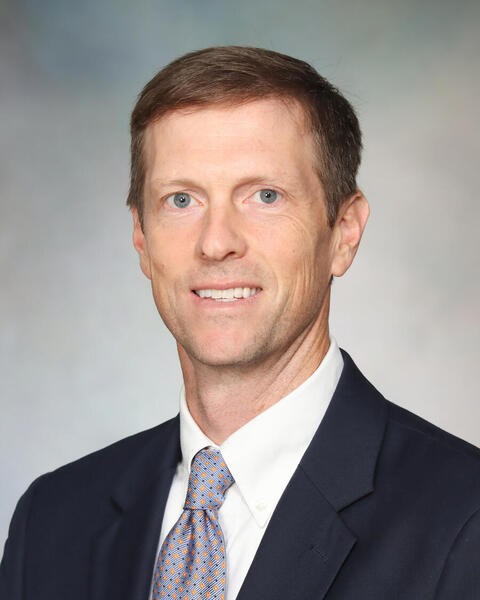
Medical Director
Dr. Dacre Knight is the Medical Director of the EDS & Hypermobility Disorders Center at the University of Virginia (UVA) in Charlottesville, where he also serves as an Associate Professor of Medicine. A board-certified internal medicine physician, Dr. Knight specializes in consultative and diagnostic medicine with a clinical focus on chronic disease, unresolved illness, and the coordinated care of patients with Ehlers-Danlos syndromes (EDS).
Dr. Knight leads the EDS Center at UVA with a mission to empower patients through personalized diagnostic evaluations and individualized treatment plans tailored to each person’s unique needs and health goals.
An active researcher and educator, Dr. Knight mentors medical students and residents, with diverse academic interests including the treatment of complex EDS cases and the application of machine learning and artificial intelligence to diagnostic medicine. Dr. Knight received the Pioneer in Clinical Care award from the Ehlers-Danlos Society for 2025.
Physician
Ina Stephens is Professor of Pediatrics, Pediatric Infectious Diseases and Integrative Medicine at the University of Virginia School of Medicine. She is a Pediatric Infectious Diseases consultant for UVA Children’s Hospital, and has a career-long interest in children with special needs and medical complexities. Dr. Stephens is the Director of the Integrative Medicine Initiative at UVA Children's Hospital, directs the Pediatric Integrative Medicine clinic, the Infectious Diseases Diagnostic Dilemma clinic and co-directs the Autonomic Dysfunction clinic at UVA. She directs the Physician Wellness program for the UVA Pediatric Residency program, and is the Medical Director for Camp Holiday Trails, a camp for children with medical complexities. She is the Associate Medical Director for the new Ehlers-Danlos Center here at UVA.
Dr. Stephens graduated from Wake Forest University School of Medicine, where she also completed her pediatric residency and served as chief resident. She completed her sub-specialty fellowship in Infectious Diseases at the Center for Vaccine Development at the University of Maryland. She was Principal Investigator on multiple clinical pediatric vaccine trial including influenza, RSV, meningococcus, and dengue virus, and served on the Governor’s Scientific Advisory Board for Pandemic H1N1 preparedness and response for the state of Maryland. She has been actively involved in medical education, and was a Program Director for 15 years for the Pediatric residency program and Pediatric Infectious Diseases fellowship program at Sinai Hospital and…Read More