POTS Revisited: Embolization, GLP-1 & Daily Management with Dr. Alexis Cutchins (Ep 175)

In this info-packed episode, Dr. Linda Bluestein sits down with cardiologist Dr. Alexis Cutchins, an expert in pelvic venous disease (PVD) and POTS (postural orthostatic tachycardia syndrome). Their conversation tackles one of the most misunderstood vascular conditions in complex patients. From treatment options and expected outcomes to what really happens after embolization procedures, they unpack the physiology and the myths. Plus, they dive into GLP-1 medications like semaglutide and tirzepatide, long COVID symptom overlaps, heat intolerance, and why certain movement strategies backfire for patients with hypermobility, POTS, and other connective tissue conditions. They also trade tips on hydration, travel, pelvic support, and how to build movement back into your life, even when your nervous system fights you at every step.


In this info-packed episode, Dr. Linda Bluestein sits down with cardiologist Dr. Alexis Cutchins, an expert in pelvic venous disease (PVD) and POTS (postural orthostatic tachycardia syndrome). Their conversation tackles one of the most misunderstood vascular conditions in complex patients. From treatment options and expected outcomes to what really happens after embolization procedures, they unpack the physiology and the myths. Plus, they dive into GLP-1 medications like semaglutide and tirzepatide, long COVID symptom overlaps, heat intolerance, and why certain movement strategies backfire for patients with hypermobility, POTS, and other connective tissue conditions. They also trade tips on hydration, travel, pelvic support, and how to build movement back into your life, even when your nervous system fights you at every step.
Takeaways:
Dr. Cutchins explains how PVD impacts the whole body, causing fatigue, pelvic pain, and even mimicking other disorders.
Weight loss drugs like semaglutide and tirzepatide can help, but only in the context of a larger strategy that considers joint instability, hormonal shifts, and gut function.
They discuss how patients with PVD or dysautonomia are especially sensitive to warm environments and what that teaches us about blood flow and pressure regulation.
From favorite exercises to subtle red flags, they explore how to reintroduce movement without triggering crashes or setbacks.
Compression, salt loading, movement timing, and cooling tools can turn a nightmare trip into a manageable one.
Want more Dr. Alexis Cutchins?
https://www.instagram.com/drcutchins/
https://youtube.com/@DrCutchins?si=pNvR2A6eFOL4vS9m
Want more Dr. Linda Bluestein, MD?
Website: https://www.hypermobilitymd.com/
YouTube: https://www.youtube.com/@bendybodiespodcast
Instagram: https://www.instagram.com/hypermobilitymd/
Facebook: https://www.facebook.com/BendyBodiesPodcast
X: https://twitter.com/BluesteinLinda
LinkedIn: https://www.linkedin.com/in/hypermobilitymd/
Newsletter: https://hypermobilitymd.substack.com/
Shop my Amazon store https://www.amazon.com/shop/hypermobilitymd
Dr. Bluestein's Recommended Herbs, Supplements and Care Necessities: https://us.fullscript.com/welcome/hypermobilitymd/store-start
Thank YOU so much for tuning in. We hope you found this episode informative, inspiring, useful, validating, and enjoyable. Join us on the next episode for YOUR time to level up your knowledge about hypermobility disorders and the people who have them.
Join YOUR Bendy Bodies community at https://www\.bendybodiespodcast\.com/.
YOUR bendy body is our highest priority!
Learn more about Human Content at http://www\.human-content\.com
Podcast Advertising/Business Inquiries: sales@human-content.com
Part of the Human Content Podcast Network
FTC: This video is not sponsored. Links are commissionable, meaning I may earn commission from purchases made through links
Learn more about your ad choices. Visit megaphone.fm/adchoices
Transcripts are auto-generated and may contain errors
Dr. Alexis Cutchins: [00:00:00] If you just put compression socks on for the flight, you've already kind of lost a lot of the advantage to using compression for travel, right? So if you wanna wear compression socks, put them on first thing in the morning. Don't put them on just before you get on the plane.
Dr. Linda Bluestein: Welcome back every bendy body to the Bendy Bodies podcast. I'm your host, Dr. Linda Bluestein in the Hypermobility md. A Mayo Clinic trained expert in Ehlers Danlos syndromes dedicated to helping you navigate joint hypermobility and live your best life. I'm so excited today to have Dr. Alexis Kutz back on the show.
In part one, she walked us through an overlooked driver of orthostatic intolerance in a large subset of pods, patients, pelvic venous disease. We talked about the red flags, unusual varicose veins, pelvic or leg [00:01:00] heaviness, swelling, bladder symptoms, and so much more. And we talked about the stepwise workup that starts with pelvic and lower extremity venous ultrasound and moves to MRV when obstruction is suspected.
Dr. Cutchins shared striking outcomes data in her patients. After iliac vein stenting, about 75% of her patients improve and nearly half have complete resolution of their orthostatic intolerance, often with dramatic improvements in pelvic pain and interstitial cystitis type symptoms. Today we'll be diving deeper into treatment decisions, imaging pitfalls, and how to recognize when venous disease is masquerading as quote just pots.
As always, this information is for educational purposes only and is not a substitute for personalized medical advice. Stick around until the very end, so don't miss any of our special hypermobility hacks. Here we go.
I'm so excited to have Dr. Alexis Cutchins back to continue our conversation on pots and pelvic venous disease. I definitely want you to [00:02:00] check out our previous conversation, which is episode 1 67. Hello. Hello, Dr. Cutchins. How are you doing today?
Dr. Alexis Cutchins: Hi, Linda. It's so good to be here. Thank you so much for having me.
Dr. Linda Bluestein: Absolutely. The, we had such a great conversation last time, but it just felt like it was going to be incomplete if we didn't, you know, have a second part. So I'm really excited that we get to do this because I know that a lot of people had remaining questions after listening to the first part, so. We're gonna jump right in.
And let's start out by talking about outcomes, quality of life and durability from the standpoint of some of these procedures that people are doing. So I'm curious from a quality of life standpoint, how your patients describe their recovery, not just in terms of pain, but also function, sexual health, bladder symptoms, exercise capacity, and day-to-day activity.
Dr. Alexis Cutchins: Yeah, that's a great question. Um, it's very variable. You know, not everyone has the same response. Um, I tell patients all the time that, that treating pelvic venous [00:03:00] disease isn't gonna cure all of your problems. It's one component, it's one facet of a very large, um, kind of system of issues, right. But, um, the patients that have, you know, repair of their pelvic venous disease, um, often tell me initially there's back pain.
Initially there's a little bit of, um, you know, kind of recuperation, but then. Some of them are like, wow. Immediately, like day one I got out of the procedure and I felt like color in my face, or I felt like there was this shift that occurred and my husband told me that I was, you know, all of a sudden I looked different.
You know, it can be that quick, like right in the at, in the, um, recovery area, um, area, but it can also, you know, take up to three to six months to even feel like you're shifting in the right direction. So, um, I've heard it both ways, right? I've also heard patients tell me they feel instantly more blood flow to their [00:04:00] brain, less brain fog and fatigue, just, you know, a different kind of sensation.
And then after 48 hours or so that goes away. And so, um, and then they're kind of working towards getting that back over the first three to six months, um, after treatment. So it's really variable and it's very hard to predict. But, um, the patients that I find. Kind of have the most, um, success with the procedure or feel like it's helped the most, are the ones that are already on their way to improvement in other ways.
Like they've really worked hard on treating their mast cell activation syndrome. They are avoiding all the possible triggers they can avoid. They are trying to do a little bit of exertion, even if it's minimal, you know, just something they feel like they've already come o overcome a little bit of a hump in their kind of disease course before they got pelvic venous disease treated.
Um, the patients that are sort of like in a lull with their treatment process and are really struggling, uh, may not feel as much of an improvement [00:05:00] instantly with this procedure. Um, but I do hear all kinds of things, like I can now do more in a day. I, um, I don't have as much post exertional malaise. Um, my heart rate doesn't shoot up every time I stand up.
My blood pressure's gone up. A lot of people have had a drop in blood pressure, especially like after COVID, let's say, or, or when their symptoms started. They noticed that their systolic goes down by like 10 points and this kind of restores that systolic blood pressure. So, um, there's a wide range of improvements.
Obviously people feel better from a pelvic pain standpoint. That is pretty, uh, consistent. Pelvic pain and leg pain both go away unless you have bad lower extremity venous insufficiency. Um, but with that, uh, comes, you know, less pain with intercourse. Um, better orgasm. I've heard. Um, you know, sexual health improves so there is sort of, um, the pelvic pain, pelvic symptoms, you know, definitely, uh, [00:06:00] respond well to treatment.
Um, and then, you know, what we hope is that the pots improves and the exercise intolerance and the fatigue and the brain fog, migraines all get better as well. That's really
Dr. Linda Bluestein: good. 'cause we know that a lot of people with pots do have, uh, problems with sexual function and that can be so impactful in your overall wellbeing in addition to all the other things that I think are more common for people to think about.
I think we don't often think about, uh, about those parts of the person's life. So, so thinking longer term, how durable are these improvements? Do you see people that have recurrence or progression of dis disease or need for reintervention?
Dr. Alexis Cutchins: That's a also a good question. I have patients who have only gotten better, right?
Like, they get their peus disease treated and every time I see them, they are improving. I have other patients who have improved, you know, six to 12 months and then they start declining again. Or they have, you know, something is [00:07:00] kind of bringing them down. Whether that's a viral infection or some other life stressor or, you know, we're still dealing with the same triggers, right?
Mm-hmm. Even though the pelvic venous disease is fixed, like I said, it's not a cure all. And so, you know, we have the people who can still flare, flare and mast cell symptoms flare at other things, and so everyone has to be very aware of that. Um, but, you know, and then there's patients who, you know, get better and then kind of drop off again.
And I think that that has to do something, uh, usually with either inadequate disease in general. So a lot of patients have concomitant renal vein compression, or ju skull-based jugular vein compression, or, um, let's say they have cranial cervical instability or tethered gourd or lower extremity venous disease that hasn't been fixed.
All of these things, as you know, are possibilities and they kind of tick up, right. You're fine for a while and then you get the occult tethered cord that pops up, right? Or you're, and [00:08:00] then you're doing great for a while and then something else pops up. And so what I have not seen is failure, failure of the stent specifically.
These stents are very durable. They don't, in my experience, they have not closed, they have not thrombose, like the stent is pretty safe and it's gonna stay there. Sometimes I do see patients who go back in and get a stent on the right side, or if they didn't get two stents to begin with, need of stent on the other vein.
Um, that's a possibility and that can help kind of move people forward. Sometimes it's just a matter of inadequately treating the venous these disease to begin with. And what we're hoping is that we can treat it with the least number of dents and hardware in your body possible. But sometimes you have to go back in and do a little bit more or fix it a little bit, you know, fix something a little bit better.
So it's, we can't totally predict if we're gonna nail it the first time. Um, so those are all reasons. I see kind of like a decline. After stenting, um, if they had been feeling well. And then things start kind of, um, going another way. [00:09:00] And we know that,
Dr. Linda Bluestein: uh, rehabilitation and reconditioning is super important for everyone with pots.
And of course a lot of people with EDS, you know, they get kinesia phobia. I had kinesia phobia for quite a long time, and so I was so afraid to move because everything that I did seemed like it hurt and it seemed like I injured myself so easily. So I would imagine whether somebody gets stenting or not, that, um, reconditioning would be important.
We know that deconditioning does not cause pots, but that these things can cause themselves. The pots in EDS and mast cell can cause you to be less conditioned. So do you have thoughts about, uh, graded reconditioning and what do you recommend to patients?
Dr. Alexis Cutchins: Yeah, so I, I had a couple patients get a pelvic get treatment of their pelvic venous disease, namely with a iliac vein stent and.
Immediately went back to sort of trying to do what they had been doing before they were diagnosed with pots before, like weight, you know, two years before or whatever it [00:10:00] might have been. And, and then they come in and tell me this didn't help. And I'm like, well, what do you mean it didn't help? Like, what are you doing?
And someone will say like, I'm, well, I'm exercising every day. I'm lifting weights three times a week. I, you know, and I feel horrible. And I'm like, well, what were you doing before the stent? I wasn't exercising at all. Okay. And did your back pain go away, by the way? Oh yeah. My back pain's totally fine. I don't have back pain anymore.
I just don't feel like the stent has helped me physically. I'm like, well, I think you have a lot of post exertional malaise. You're doing too much too fast. This is like, the reason you're more tired is because you jumped right back into what you thought you should be able to do, because that's what you could do before.
So point. Point blank, right? Like we have to make sure that, and I say this to everyone even before they go see the doctor who's gonna do the stent, I'm like, by the way, you need to re, you're gonna feel great after this potentially. And you're gonna feel like you wanna do everything you used to do and you can't because [00:11:00] then you're just gonna get the post exertional malaise and it's gonna build up and you're gonna flare and you're gonna get a whole ton of symptoms.
And so I recommend that patients follow something like the CHOP protocol or the A Dallas protocol, something for POTS that, and work with a physical therapist if you can, but something that's very gradual, graded exercise so that patients can slowly build up to where they had been previously. But if you jump right back, you're gonna fail.
And so I think it's very important. I mean, I, you know, I've talked to people about coming up with some sort of post stenting protocol or app or a program or something and, you know, that hasn't been made yet, but I think it should. Um, but it's, it's crucial to kind of, it's like almost like a little bit of a cardiac rehab or, um, mm-hmm.
Or, you know, post-stroke rehab, pulmonary rehab, look, you really need to take it easy going back in. You can't just jump right in.
Dr. Linda Bluestein: And, and that all or nothing thinking that so many of us have, I [00:12:00] definitely am guilty of this too. You know, we try to do what we did before and then we think, oh my gosh, that's, you know, not feasible.
And sometimes there is a new normal, you know, that we, we work hard to get to this place and like I had a new normal that was. At a certain place before, but then more recently I started doing a few other things and now my new normal is actually even better than my more recent new normal. So, um, I was just traveling and I was shocked when I went to lift my suitcase into the overhead compartment.
I was like, wow, that was actually easy. So, um, I think sometimes we, being patient and going slow is really hard for us, but it's so, so important.
Dr. Alexis Cutchins: It's interesting. It reminds me of this patient I saw recently who had been told by previous doctors, when you feel good, you should do as much as you possibly can, like, get everything done.
And I was like, who told you that? Like, whatcha talking about? Right? Right. And she was like, well, isn't that what I'm supposed to be doing? I mean, that's why I stayed [00:13:00] up all night after I felt so good when you told me to do X, Y, Z. And I was like, I, like I have no words. We're getting you a visible device, like we're putting you on a pacing program.
Like I don't even know what to say. Right. I mean this is, but I get it. A lot of my patients have those feelings, like, I need to, like, I finally feel better. I need to get all this stuff done. And you just, it just doesn't work, right?
Dr. Linda Bluestein: Yeah. Ex exactly. And that's the other thing too, right? You feel like you're so behind 'cause you haven't been able to do things, so if you feel a little bit better, you're like, oh, I'm gonna try to do all these things.
Um, yeah. Yeah. It is really, it is really challenging. The, the pacing and all of that. Um, do you have favorite options? So like recumbent bike, rowing machines, um, and do you have suggestions for how to progress those kinds of things?
Dr. Alexis Cutchins: Yes. So I love the rowing machine. I think it's a full body strength training workout.
So you really build muscle, which is very important in this population of patients who, many of which have insulin resistance, glucose intolerance, they need muscle. [00:14:00] Okay. Our patients need to build muscle. It's also very helpful for supporting their joints, right. Um, I really like the recumbent bike because you're sitting instead of upright.
Um, it doesn't, it, it's pretty like low level exercise. So if it's all you can do, then that's probably a good starting point. Um, I like swimming or any exercise in the pool. So the pool is kind of like total body compression. So a lot of patients find they can do more in the pool. Some of my patients tell me I'd feel great in the pool, but the second I get out, I feel horrible again.
So I don't like going in the pool because as soon as I get out of it, I don't have that relief anymore. Mm-hmm. Um, and that's a thing. And so you have to be careful, you know, about the pool. But I do think the pool is helpful because it's just, it helps keep your circulation in the right place and helps keep blood flow back to your heart.
Um, you know, I tell patients whatever mode of exercise you're starting with to try to get back into conditioning, um, to do literally like two [00:15:00] minutes a day. What I want is for someone to do a small amount every single day and not try to do a 90 minute workout twice a week. Okay? Because this is gonna, is a disaster, right?
So two minutes a day, if you can't do two minutes, one minute, whatever you can do, so you don't have post exertional lights. Mm-hmm. Once you figured out where you are so that you don't have post exertional malaise and you're doing some form of mild cardio exercise every day, then you can start bumping it up by one minute at a time.
So, you know, if you're doing three minutes a day, then two days a week you could do four minutes a day and do three minutes a day the rest of the week. And then the next week you can bump that up to three days or you can do four minutes. We're literally talking about like the, the teeniest tiniest increase in incremental, um, length of exercise in order to, it's like you don't even wanna know.
You're doing more. So that your body is just, gets used to that amount and then you add on [00:16:00] just a little bit more again, and over time, it takes forever. I get it. I understand everyone's gonna wanna do more, but you, your body doesn't sense that stress, right? Mm-hmm. You don't get that, um, you don't get that post exertional malaise response.
And then obviously having some sort of device that helps you manage your heart rate and keeps your heart rates, you know, in check keeps your, your, you know, spoons accounted for, whatever you wanna call it. Whatever you want to, you know, whatever device you wanna use is fine with me. But keeping a tally on kind of like, are you capable of exercise today?
Is your body ready for it? Are you gonna be able to do it, you know, before you even start, um, is really important too, because you just don't wanna flare through your symptoms.
Dr. Linda Bluestein: I wear a, a polar watch, I have to keep turn. I'm allergic to nickel, and so I get a rash from it if I wear it all the time. So I, I switch it back and forth from the inside of my wrist to the outside of my wrist.
But it, it really helps me having that data. It helps me know how much I did and be able to correlate that with how I feel. So I can, like you said, [00:17:00] slowly and incrementally, um, increase. And I love what you said about the pool. I was on vacation once with a family member who has pots, and I don't, I've, I've been diagnosed with dysautonomia of pregnancy and I, I definitely am on the spectrum, but not like full fledged pots.
But anyway. I was feeling really poorly and my heart rate was definitely, um, greatly increased. And this family member suggested that I jump in the ocean and I had all my clothes on. I was not wearing a swimsuit. And I was like, oh, I don't know. And it felt like I had just gotten a big bolus of fluids.
'cause of course the compression increased, the venous return to my heart and increased the blood flow to my brain and everything. And I felt so much better and it cooled me off. And then I got outside out and I was in my, you know, now wet clothes and it was actually wonderful. So I, I love what you said about the pool.
I love the pool too. It's great for the joints also because you have the resistance of the water. Right. So I, I love, I love water exercise. I think it's a great thing.
Dr. Alexis Cutchins: Yeah. And I think the ocean is especially therapeutic too, to a lot, you know, the salt water is, um, [00:18:00] is useful for many other reasons, you know, and being outside and, you know, all right.
It all adds together. Right. But, um, yes, I love, I love water activities.
Dr. Linda Bluestein: Are there any red flags that people should be aware of as they're rehabilitating themselves that say, Ooh, you better pause right away.
Dr. Alexis Cutchins: I mean, from a stent standpoint, like from a treatment of pelvic venous disease, I don't, nothing really comes to mind.
I mean, obviously if you have like crushing chest pain or any kind of chest pain, um, or if you have, you know, acute shortness of breath, like these are things that we want you to go to the ER for and to seek care for, right? Um, with pots, I think, you know, it's again, just like if your heart rate is going up too high, if you're, um, if you're spiking kind of in ways that you wouldn't normally, then I would take, take, take it down a notch and maybe rest that day or not continue with the workout.
You just need to listen to [00:19:00] your body. And obviously it depends, right? It, this all varies with the barometric pressure with your period and your cycle. I mean I could name like where you are in the country. Like if you traveled and you wanna know go work out now and you're in Colorado instead of in Georgia or whatever it might be.
Like all of these things will make a difference and so you just have to clue in that it's not gonna be consistent and the same every single day.
Dr. Linda Bluestein: You mentioned long COVID already COVID and also post exertional malaise, which we know is common with me CFS and I feel like the long COVID pots me CCF s overlap is sometimes, I mean, we know it's there, but I feel like it's hard to understand sometimes.
So, um, I wanna ask you some questions about long COVID. So can you start out though, by explaining the relationship?
Dr. Alexis Cutchins: Yeah. So, you know, I've had long conversations with Dr. Rowe, Dr. Peter Rowe, about this topic, and I think he's just a [00:20:00] brilliant, um, clinician and physician and I've learned so much from him.
But, you know, if you look at his work and his studies, me CF s is really. Like stems from a lack of blood flow to the brain. Like that's a primary etiology of me CCFs and most patients with me CF s have pots, a large majority of them I should say. But um, almost all of them have a decreased blood flow to the brain.
If you look at transcranial doppler, if you look at carotid doppler of these patients, even if they don't meet criteria for pots, so me, CCFs is still, it's like on the spectrum of pots, it's just that they haven't met the heart rate criteria necessarily for pots. So it's still an orthostatic intolerance.
Patients with me, CCFs are gonna feel better lying down. They're gonna feel like they can regain some function. If they lie down and have some blood flow to their brain, they're not gonna feel as well in the upright position all day. Right? So it's very similar to pots. It's just you, you're taking away that tachycardia.
[00:21:00] Um, long COVID is, you know. The COVID infection is what induces these things in many patients. So co you have COVID, you have this inflammatory hit to your system. Um, it causes a lot of cytokines and inflammation to occur, and that kind of triggers the systemic inflammatory response that then results in me cf, s pots, long COVID, et cetera.
But people who have long COVID usually have some component of orthostatic intolerance. May it be, you know, me, CF s or pots, it's gonna be there. Um, and I would argue that long while long COVID is different from other post-infectious chronic illness. It's similar in the sense that, for instance, with Lyme disease, if you get Lyme disease, Lyme infection, and then you have chronic Lyme, or if you get EBV and you have chronic EBV, you know, we're looking at this postviral.
Chronic illness that [00:22:00] occurs and it's the virus or the parasite or the, um, bacterial infection or whatever it might be, that first hit that causes this inflammatory cascade that causes then, you know, your more chronic conditions of me CFS and pots. And I think, um, I think personally, patients who have hypermobility, patients who have had a history of allergy migraine hypermobility, and we know this and there's data now that backs this up, are more likely to develop complex chronic illness after a hit like this, after an infectious, you know, source.
And so we're learning about, you know, who is at risk for this. And I don't think everyone in the population is, I don't, I think that if you have some hypermobility spectrum disorder, underlying connective tissue disorder, you're at higher risk for developing these complex chronic illnesses. And, um, and that's, you know, important to know.
We don't know how to prevent that yet. [00:23:00] But, um, I think there are a lot of kind of things that you and I would probably say may be worth trying, but, you know, we don't, we don't have data, right? But I think it's good to know and it's good for people to be aware who don't have long COVID me CFS pots who are just hypermobile, right?
Mm-hmm. Like, I know that that's a, that's an area that, you know, we all should kind of be aware of. Like maybe you should, you know, be careful if you have an infection. Like really take care of yourself or, or not put yourself into undo stress if you can avoid it or. Work on your breathing regularly. I mean all these things, you know, can be important.
Dr. Linda Bluestein: A absolutely. And I still mask on the plane. I feel like I'm like the only one usually on the plane who has a mask on. But I feel like it's such a small thing, you know, that I can do to try to reduce my chances of getting COID and possibly getting long COVID. And I also thought that was interesting what you said about infection and these [00:24:00] post-infectious things that can happen and people with hypermobility are at increased risk.
And that would also be true for things like concussion or physical trauma. Yeah. Or even maybe psychologic trauma as well. Um, like a car accident or, you know, those kinds of things, um, as well. Correct?
Dr. Alexis Cutchins: Yes, absolutely. I mean, we see lots of post-concussion pots. Um, I see lots of post-surgical interventions, you know, um, that kind of trauma.
The other thing I see actually, which I don't talk about a lot, you know. Out in the wild here, but I think is important noting is, in my clinic I see tons of pots post bariatric surgery. So patients who go in for bariatric surgery to lose weight, and then they develop pots and you know, with the, with the, like now we have GLP ones, right?
So it's like a completely different world. Not everyone is getting sent to bariatric surgery. Right, right, right. But I think it's, um, it's really good to know that [00:25:00] if you do have hypermobility and you have, and you're overweight and you're struggling to lose that weight, I would be very cautious to advise someone to have bariatric surgery for that reason.
And when I talk to patients in my clinic who have pots, usually they've done everything they possibly can to lose weight. They're not eating a lot, they're exercising, you know, no matter what it is, they're gaining weight. And this is a stress induced response. This is like a stress induced inflammatory weight gain.
This is not overeating. Right. And so if you're shrinking the size of your stomach with bariatric surgery, like who cares? You know? Right. And so, I mean, obviously it works to begin with, but it doesn't last and doesn't really work. And then they develop pots, which is just such a tragedy. And then they can't drink enough water because they have no stomach, you know?
So it's just like a public service announcement, I think. But with the GLP ones, which we're using all the time now, it's not as big of a deal. But I thought I mentioned that.
Dr. Linda Bluestein: I, I really appreciate that. And while you just mentioned GLP ones, I'm curious to ask you what your [00:26:00] experience is. I'm shocked at how many of my patients are doing really well.
You know, you kind of, you have one patient and you think, oh, this might be a reasonable thing to try. And you try it with that one person, and then you have another person and it works well in the second person, and you're like, okay, well that's two. Now you have three, then you have four. Next thing you know, you have 10 or 20.
Um, and I'm, I'm shocked. So long as we approach it very slow, very low. Are you experiencing the same thing? And if so, a short digression into GLP one. Um, are you using tirzepatide? Are you using something else?
Dr. Alexis Cutchins: Yeah, I, um, I mean, I love them. Like it's the changing the lives of my patients, right? I mean, I, first of all.
I'm like, you, you know, it's like we started with this, what happened with me was people are coming to see me and they had been put on GLP ones by someone else for weight or whatever, and they are telling me that their joints feel better, their fatigue has gone away. They never wanna stop taking this medication.
This has like, been a complete game changer for them. And here I am in the world of autonomic dysfunction and pops thinking like, this is [00:27:00] gonna be the worst medicine for my patients because it could cause gastroparesis and Right. And orthostatic intolerance. I mean, there's all the side effects are very concerning.
Right. Um, but with time I saw more and more patients and then who are benefiting and then I just started prescribing it because, you know, I, I believed in it and patients are doing great. Um, I think that the GLP ones, and we have some, you know, there's some kind of case reports about this. People are seeing mast cell stabilizing effects.
I have one patient who I started on a GLP one and she did not need to lose weight at all. And I told her if she did, I'd stop it. Um, so she had to work really hard at eating. Um, but her reactivity went away. Like she stopped having hives and reactions to things. I mean, she, her, it was really an MCAS response that, that she had that was primarily like the best thing that helped with.
So, um, yes, I'm seeing lots of benefits. I think it's great. I start tirzepatide. I use tirzepatide exclusively. I don't really use semaglutide. It does have [00:28:00] some more side effects to it. I started at 0.5 weekly, um, when that real, the regular starting dose is 2.5 as you know. So I use 0.5 as my starting dose and I find that that's, um, that people tolerate it.
It's, you know, some people feel great on just 0.5 of Tirzepatide and um, we just keep it at that. No problem. Some people need a little bit more. Sometimes we'll go down if they're having side effects with the 0.5, we can do even less. So, um, I like to start really low, as you said, and go up incrementally until we hit the dose that's working best for the patient.
But these are, I think, gonna be huge, huge game changers.
Dr. Linda Bluestein: And, and isn't it always nice to have another thing in your armamentarium that you can, that you can use? I, I know for me it was like such a relief of like, again, nothing works for everybody, but to have another thing to potentially offer to people and if they're game to try, um, yeah, I, I, same things, normal weight patients, um, et cetera.
So we will [00:29:00] definitely link that article that you were referencing. I I, I'm sure it's the Dr. Rin at all. Yeah. Article that I, I can't remember. Yeah, he's probably not the first author on it. But anyway, we'll definitely link that in the show notes also so people can, can read that. And I have one last question before we take a break.
Um, does long COVID change your diagnostic strategy when it comes to venous disease? Um, or your diagno or your strategy when it comes to treating pots or working it up?
Dr. Alexis Cutchins: Uh, it doesn't actually, and I kind of became the expert on long COVID very quickly when I was, um, at Emory seeing these patients, because I'd already been seeing POTS patients for so long, I just kind of chalked it up as one more postviral illness, right?
So instead of treating the chronic Lyme or the post DBV or whatever it was that I was seeing before, now it's long COVID. Um, so I take the same approach to diagnosing POTS patients and managing them. Um, but I did learn about pelvic venous disease in the [00:30:00] long COVID era. So, uh, and I do believe that the COVID infection is very highly inflammatory.
And it can, it may, I don't know, we haven't done this research, we haven't done this study, but it may really sock that venous compression down in more than some of the other in post-infectious, um, uh, you know, chronic conditions that we see. I don't know, but so many people, I mean, you know. I feel like everyone that comes in with COVID has this, like I have some patients that said my first symptom with my COVID infection was left leg pain and swelling.
You know? Really? Wow. Before headache, before congestion, before sore throat. They were like, my leg hurt. Right? And so obviously something's going on with the, the venous system and that patient, like the inflammatory response, all those inflammatory cells are going down to the iliac vein and just wreaking havoc, right?
Mm-hmm. So, um, I do have a very low threshold to look for pelvic venous disease in my [00:31:00] patients. Um, whether or not gets treated, that's a whole nother can of worms, right? Like, what do we do? When do we treat it? How, who, who's gonna benefit? There's a lot of questions that I don't know the answer to and sort of leave up to the patient whether or not they wanna pursue this and look further.
Um, but long just because it's long COVID, it doesn't necessarily change what I do for patients with pot.
Dr. Linda Bluestein: That is great information. We're gonna take a quick break, so grab your favorite drink and your favorite salty snack. We're gonna take a quick break and when we come back we are going to talk about what you should do if your imaging is, is read as normal, but you strongly suspect that you have pelvic venous disease.
'cause we know that's a common problem. We're gonna talk about some hacks and all kinds of other things, so we will be right back.
I'm super excited to tell you about the bendy bodies boutique. I'm so proud of our fierce styles and flexible designs. These are created by hypermobile artists. For hypermobile shoppers, there are so many fun items from [00:32:00] clothing, accessories, home goods, and my favorite are the bags. I especially love the weak weekender tote with one of the EDS tough designs.
Whether you're shopping for yourself or someone you love, there's so many options to choose from. A portion of the proceeds goes to support EDS nonprofit organizations. For more information, please visit bendy bodies boutique.com. Thank you so much for listening to Bendy Bodies. We really appreciate your support.
It really helps the podcast when you like, subscribe and comment on YouTube and follow rate and review on all audio platforms. This helps us reach so many more people and spread the information to everyone. Thank you so much again, and enjoy the rest of the episode.
Okay. We are back with Dr. Alexis Tsin and I'm curious to ask you next about heat intolerance, sleep travel, and some real life micro hacks. Um, can you start out by telling us if you have some heat intolerance hacks and or [00:33:00] sleep position hacks, um, and what you recommend for people in terms of travel when it comes to dysautonomia and or pots?
Dr. Alexis Cutchins: Yeah, uh, I have recommendations for all of that. So let's start with the heat intolerance. I. I think that heat intolerance is very closely related. It, I think it's a mast cell phenomenon. You know, a lot of people associate it with dysautonomia. I think it's disautonomia, maybe that's triggered by MCAS. And the MA is triggered by the heat.
And so if you can treat the MCAS, your heat intolerance improves. And I have seen this time and time again in many of my patients. So I, you know, often recommend MA targeted therapies, mass cell targeted therapies for people with heat intolerance, which is literally all my patients. So it's kind of all blends together, right?
Some of them are cold intolerance, most of 'em are. Um, so mat cell target therapies. But I also, you know, tell patients obviously [00:34:00] don't go out in the hottest time of the day. Try to limit hot showers. If you can use less hot, um, uh, water in your shower, that's better. Uh. If you do need to go out in the heat, then there are things you can bring with you, like a cooling neck towel or an ice pack that you can put around your neck or, um, wristbands that you can wear that are, are, have been frozen and then you put them on your wrists.
These are kind of points that cool you faster, your wrists in your neck. Um, you can use a cooling vest. Cooling vests are, are good. So the neck fans, I mean, there's all kinds of kind of apparatuses that people can wear when they're outside in the heat. Um, if you're, if you're having issues with the heat, then go back inside.
You know, air conditioning is your friend, so sometimes patients will tell me they have problems with that transition from hot to cold. That's trickier one. And I think again, that's one where I go for the mast cell targeted therapies. Like, let's just calm down the mast cells and [00:35:00] try not to let them get so upset when you're transitioning from hot to cold or whatever it might be.
Um. Okay. Then the other one was not heat tolerance, but the
Dr. Linda Bluestein: next one was sleep. But I wanna ask you a question on heat before we move on to sleep. Actually, I asked you as a multi-part question, but, but I wanna ask you a follow up to that. That's hard. Yeah. Yeah. I, yeah, I, uh, I'm curious. So, uh, I'm very fortunate in that I have good access to a sauna, and I've noticed that my heat to my heat tolerance has greatly increased as I have used the sauna more.
And I'm curious if you think that it is a good idea for people to try to increase their ability to tolerate heat?
Dr. Alexis Cutchins: Yeah. I have never recommended to any of my patients to go in the sauna or a hot tub because it makes me very nervous in terms of blood pooling and vasodilation. And, uh, you know, will they have a [00:36:00] syncopal episode in, in the setting of one of these things?
However, mall amounts of time may not be bad actually, as you're saying. Like, if we can. Increase in very small increments. The amount of time we can tolerate the heat, that might help Also. Recently, someone just told me that they feel a lot better after going in the sauna and they've been trying it and it's been working and they heard from someone else.
I guess this is going around, I don't know, I don't know like what the latest and greatest is in the, you know, in, in the world of TikTok or whatever. But, um, maybe it's helpful. I, I just, I haven't personally had experience recommending it or, um, using it just because I'm so gun shy with my POTS patients in terms of heat exposure.
So I don't know. But I do think I've heard like a little bit of, um, tidbits that people are, are feeling better with it. So.
Dr. Linda Bluestein: When, when I first started using the sauna, my palms would sweat, but nothing else. And now when I'm in there, I definitely, you know, I can tell I'm having a mast cell reaction. I get out and my husband is usually, [00:37:00] you know, like he might look warm, but he's, he doesn't have like the blotchy, rashy, you know, kind of look that I have.
But now my whole body can perspire and I feel like that's helpful because it's hard for me to exercise hard enough to perspire. So I feel like it's a good way to get, you know, some things outta my system and, and I feel like that's beneficial. So, so I was just curious. Um, it's not, there's, I don't have any data on it either.
I just was curious, you know? No,
Dr. Alexis Cutchins: that's, I think that's fascinating and I think it's interesting that your body is like learning to accommodate to it or, you know, I have a lot of patients that don't sweat, you know, and I think it's a major problem. And so if, and, and the question is how do we get you to sweat, right?
Like, and usually treating the mast cell. A lot of my patients start sweating again when I get their MCAS kind of better. But, uh, yeah, I mean that's, it's kind of amazing, right? I would love to have a tool that helps patients' bodies regulate better, [00:38:00] right? So on the, on its own, without a pill, without a right, you know, intervention, right?
Um, right. So that's fascinating to me. What about sleep? Uh, do you have suggestions for sleep? Sleep is a tricky one. Mm-hmm. Um, you know, the, the com, the kind of age old sleep recommendations for patients with pops is sleep at the, your head at the bed up, right. To keep your, you know, have the head of the bed up so that, um, your body kind of learns how to be upright, is kind of my understanding of why you would suggest that to me.
I think you should be profusing your brain as much as possible, so doing that all night is not great for your sleep. Um. I don't recommend it for patients, although some of my patients have tried it and said it really helped them. And so I'm not against it. It's just not one of the first things I recommend for people.
I don't, it's not in my handout that I give all patients with pots that says, and you have to [00:39:00] sleep with the head of the bed. Yeah, right. I just don't, I'm not one of those providers. I don't, um, I don't really like push, push, push with the head of the bed. Um, I think it's important to be temperature-wise in a good environment for your sleep.
And so, um, you know, to make sure you're in a cooler room, um, to make sure that it dark, uh, in your room to make sure you don't have a lot of lights and flashing things all around you. Um, obviously sleep hygiene is very important. So like not using your phone right before bed and, um, having a pattern, uh, that you follow every single night at bedtime that you keep every single night awake time is really important.
So you're setting. Your alarm for the same time every day. You're not deviating. Um, I think CBTI is can be very helpful for patients. Not everyone, but it can help. Um, and so, uh, but sleep is hard. I mean, so many of my patients find that they, they really can't, you know, wind [00:40:00] down. I will say in regards to sleep, I have a lot of patients that tell me after their pelvic venous disease has been treated, their sleep improves and they're able to fall asleep.
And I have this, I mean, one theory about sleep is that when you're upright all day and you're not getting blood flow to your brain because you have orthostatic intolerance in pots, when you lie down your blood, your brain's getting perfused. Okay? So you're all of a sudden your brain's like, oh, I'm getting oxygen.
I can start thinking about things. I can start thinking about all the stuff I wasn't thinking about all day. And it wakes up, you know, and then it doesn't wanna go to sleep because it's been fighting all day to try to get oxygen, right? So you lie down, everything flows to the brain and you can't fall asleep.
But when you've been profusing your brain appropriately all day, then going to bed actually isn't this big, like triumph for your brain. Your brain is like, okay, now I can shut down. I've been working all day. I can relax and, and calm down. So I do think, I mean, that's kind of my made [00:41:00] up theory. I don't have any data to support that, but I do think, um, I have heard from patients that it's easier for them to sleep after they get their iliac pain, stented.
Uh, and that's my made up explanation. I think that once you get there, like once you have that, oh, so if you haven't gotten your I up, I fix, this is what I was going for. Um, if you lie down during the day, incrementally, like if you have a schedule, like let's say every 30 minutes to 60 minutes, I'm gonna lie down with my feet up for five.
Uh, your brain is constantly getting a little bit more blood flow through during the day. I think that helps sleep too, because then, oh, it's kind of the same phenomenon. You're, you're feeding your brain oxygen all day, so when you go to sleep, it's not something new, right. The brain is ready. Um, so I tell people that a lot, like try to schedule in consistently lying down with your feet up for five to 10 minutes, you know, every hour throughout the day so you can continue [00:42:00] to, you know, get good blood flow to the brain.
Dr. Linda Bluestein: That's super interesting. Would you still recommend people do that, even if they're taking something like Midrin?
Dr. Alexis Cutchins: I do. In this population of patients, unless, um, usually the, my patients on midodrine started off with a low blood pressure. So they're, they're the ones that are in the nineties, systolic to like one 20 let's say.
That's why the max, I put patients on midodrine. I don't use midodrine in patients who come in to see me who are hypertensive. I usually use a beta blocker. So, um. The population of patients that does the worst with midodrine is in the supine position, is older elderly people who have orthostatic hypertension, but they have supine hypertension.
And this is a phenomenon that occurs more in elderly patients. And so every time they lie flat, their blood pressure goes up. Um, that doesn't, that phenomenon we don't really see with POTS patients, it's usually, you know, their blood pressure stays the same, lying to standing, it's the heart rate that goes all over the place.
Right. And so [00:43:00] I don't see a huge augmentation of blood pressure on midodrine going from sitting to lying down or standing to lying down. Not to say that it can't happen and everyone's different and you should probably take your blood pressure a couple times if you're on Meran and you're trying this, you know, just to make sure it doesn't go through the roof when you lie down.
Um, but for the most part people can lie down and it's not a problem.
Dr. Linda Bluestein: Okay, great. And do you have a quick couple of, uh, travel suggestions for this population of people?
Dr. Alexis Cutchins: I tell patients when they're traveling, if they can, to try to get IV fluids the day of a flight. I think it's a huge help. Um, it's just hydrating.
It kind of gets you through that, um, that very dehydrating plane ride. So that's one thing. Um, obviously compression. I don't recommend, I recommend compression, but you have to wear the compression from the first thing in the morning, like before you get out of bed. If you just put compression socks on for the flight, you've already kind of lost [00:44:00] a lot of the advantage to using compression for travel, right?
So if you wanna wear compression socks, put them on first thing in the morning, don't put them on just before you get on a plane. Mm-hmm. Um, is what I would say. Uh, there is something called the Firefly device, which is one of these like little twitchy. It, it kind of makes your muscle twitch. You can put it on for plane rides and it helps your muscle move.
So you're moving blood flow from your legs to your, um, to your right side of your. It's, it's like shaking your leg or walking, you know, it just mimics mu muscular movement and I think that could be really helpful for plane rides. Um, also just getting up and walking around while you're on the plane is obviously really important.
Staying well hydrated while you're on the plane, so bringing your electrolyte drinks and, you know, lots of water. Um, those are, those are my mainstays, you know, as much as you can keep your legs up, you know, but I know that can be hard. Um, and, uh, and try to prepare in advance. You can hydrate for days in advance [00:45:00] before you get on a plane, like orally also.
Right? You just wanna make sure you're really consistent, that you're not like going out for a run before you get on the plane kind of thing.
Dr. Linda Bluestein: Definitely. And, and let's talk a little bit about specialty evaluations. So when should a patient insist on a referral to cardiology or interventional radiology?
Dr. Alexis Cutchins: So for cardiology, I think most of these patients kind of have symptoms that need to be evaluated by a cardiologist, right? Even if it's not syncope or lightheadedness, if it's, um, if it's tachycardia, if it's a chest pain. Um, if you're having, you know, shortness of breath, that's new. All of these things, you know, probably should just be, you should be checked.
You should have an ekg, you should have an echo. You should have a Holter monitor. Make sure there's not some weird rhythm going on. Like cardiologists are really good at excluding the bad stuff, right? Any cardiologist can do this. It's not a problem. This is what we [00:46:00] love. We like doing tests on people.
It's, it's easy. In fact, you know, in this normal, healthy, kind of 20-year-old set, like, it's, it's really probably, it's a, it's an easy workup, right? But, um, if you're referring for a patient for evaluation of pot. So they've had a cardiology workup. They have, you know, everything's normal, but they're still passing out all the time.
Whatever. That's a little bit different. You need to find someone who wants to take care of patients with POTS and who has some experience with taking care of patients with pots. Right. So it's might not be a cardiologist, it could be a neurologist, it might be an internist, it might be, you know, anyone who has a sort of area of expertise in that, in that pots field is gonna be probably more helpful than any random cardiologist.
Right, right, right. Except unless you're ruling things out. Unless you're trying to rule stuff out. Right. And then any cardiologist can rule stuff out. So, um, I think that it's important to get those things rolled out. Most of the patients that come [00:47:00] see me have already gotten everything rolled out. Like they've already had six echos and stress tests and, you know, you name it.
Right, right. Um, for pelvic venous disease, that's a tricky one. Um, because there's a lot of reasons for pelvic pain, right. One of them is pelvic venous disease. Patients, you know, have endometriosis. There's a huge overlap with endometriosis, PCOS, ovarian cyst, um, just dysmenorrhea in general. Menorrhagia, like our patients just have pain in their pelvis.
And it could be one of many things, or it could be many things, right? So they could have endometriosis and pelvic venous disease and PCOS, uh, I see it all the time, right? So what's important is that patients are aware that the endometriosis might not be the only thing. Like you get that fixed, you're still having pelvic pain, there's probably something else going on.
Um, and that's when it's best to be referred to an interventional [00:48:00] radiologist or a vascular surgeon who understands pelvic venous disease. Now, that's a whole nother right group of people that you have to find because not right, all of them believe that this is real or believe it's treatable or believe that.
If this has anything to do with your chronic fatigue in your pots or your chronic migraines that no one's been able to treat, um, you have to find the right person who does enough of these and understands that disease process and how it relates to everything else you have. Um, so I, I would, you know, love for the OBGYNs out there to be a little bit more aware of this etiology of pelvic pain.
We're working on it, you know, um, those of us who see this all the time and treat these patients are trying to, you know, spread the word. But, um, but it's hard. I think it's often patient driven, like, I think I have this, and then you have to find someone to believe you, which is right, you know, half the battle.
Right. Which is really, which can be very hard.
Dr. Linda Bluestein: Okay. That's really helpful. [00:49:00] And what about the patient who, you know, like you said, uh, so often people are learning these things and they're thinking, wait, that sounds a lot like me. And of course. A fair bit of the time. They're right. Not always, but you know, it's very common that people are figuring these things out for themselves nowadays.
And if a person does think that they, um, are very likely to have pelvic venous disease, but their imaging has been read as normal, what should they do?
Dr. Alexis Cutchins: I think what they need to do is find someone who sees patients with this or treats this and ask for a second opinion. And so, uh, that can be tricky because those people have very long wait lists and are hard to get in with and, you know, um, because they're so in demand.
Um, but the image, the problem with the imaging is you could repeat it all you want. If you don't have a radiologist who's going to diagnose your pelvic venous disease from that imaging, then it doesn't matter because it's there. I've seen patients in my clinic who have had CT abdomen, [00:50:00] pelvis from five years ago, 10 years ago, and I see it on those, right?
So it's there. It's just the radiologists aren't. Calling it. Right. Um, and so if you believe you have this, you really need to find another person that can look at those images, who understands what pelvic venous disease is, and the relationship to whatever other symptoms you're having are, and then, you know, give you that diagnosis and get, gets you in with the right people.
So it's a matter of finding people who, who understand this pathology and who can read these studies.
Dr. Linda Bluestein: It's really hard to do. Definitely. And like you said, the people who are doing these kinds of things generally have long wait lists or are difficult to get into, like you said, and, and or involve travel or something that, that people can't afford or physically are not well, well enough to, to do it.
Dr. Alexis Cutchins: Yeah.
Dr. Linda Bluestein: Um, are there certain misdiagnoses or assumptions that you would say delay diagnosis the most when it comes to pelvic venous disease?
Dr. Alexis Cutchins: Yeah. One [00:51:00] of them is spinal stenosis. I see young patients with like sciatic pain or leg pain, pelvic pain, hip pain, diagnosed with spinal stenosis or you know, like nerve compression.
And I think that's because they get an M, the symptoms are similar and they get an MRI of the spine and there is some degenerative disease there because everyone has connective tissue problems and they have less disc space. And that's just this population of patients has some progressive spinal disease.
I mean that's real. Um, but it's not necessarily what's causing their symptoms. Even though an orthopedic surgeon or a neurosurgeon can look at that and be like, well this might be it. Like I'm seeing a little bit of pathology in your spine. Maybe that's what's causing your pelvic pain And you know, pain with intercourse and left leg discomfort and like all these symptoms that aren't quite like, shouldn't quite be really.[00:52:00]
Attributed to spinal disease, but they are, because that's what they see and they don't know anything about the pelvic veins and the pathology there. So I think that's a big one. Um, that gets misdiagnosed. I've even seen patients go have surgery, neurosurgery, spine surgery for their pain, and then their pain doesn't go away.
Then we send them for an ilif vein stent, which is so much easier and all their symptoms resolve. Wow. So that's a big red flag for me. Um, I would say if you're 22 and you're being told that you need spine surgery, that you should hold up for a second. Um, the other one is believing that the pelvic pain will go away with a hysterectomy.
So like endometriosis has been treated, um, you know, the PCOS is under control and they're like, well, I don't know what else is happening. We might as well just remove your uterus and your pain should go away and. Sometimes it does. If they have aosis, [00:53:00] adenomyosis or if there's some pathology in the uterus itself, then yeah, sometimes that's what they needed and that helps.
But oftentimes the pelvic pain is still there after the uterus remove is removed. And I mean there's a lot of conversations obviously, that patients have with their doctors to make that decision. And it's perfectly fine to decide that you don't want your uterus. I'm all for it if that's what you want.
But you know, if, if you're someone that maybe does wanna have children or try in the future or continue to have your uterus and it gets removed and it would've been simple to sticks the pelvic venous disease. And that's a bummer too. So those are the two that I see that are pretty dramatic that maybe, you know, something else could have been worked up first.
Dr. Linda Bluestein: And, and being able to, if, like you said, if you want keep your uterus, even if your past childbearing age can be really, really impactful. I, when I was looking, I wasn't gonna have any more children and I was gonna have a tubal ligation and that one of the doctors that I went to was trying to talk me into a [00:54:00] hysterectomy, and I was like, but I, I just want a tubal ligation.
And he was like, well, but you had painful periods before, so we should probably just do a hysterectomy. I'm thinking, but I think that's kind of helping to hold other things in place, so in place. Yeah. Yeah. Yeah. So I ended up going to a different surgeon and had the tubal ligation and it's, gosh, it's, it's over 20 years since then and I'm really glad I still have my uterus.
So,
Dr. Alexis Cutchins: yeah, I agree. I think there's a lot of, especially someone with this, with underlying connective tissue problems, if you're removing an organ, you're also removing the stuff that goes around that organ that, you know, you have to take it out of its environment. You have to move other things around to, you know, get the organ removed.
So, yeah. It's not just, I'm gonna take this away and everything's gonna be better necessarily.
Dr. Linda Bluestein: When it comes to, um, ordering, you know, imaging or, you know, uh, these procedures, are there certain phrases in the prior authorization that you find are most important or a [00:55:00] documentation tip that you feel like really helps to facilitate the process?
Dr. Alexis Cutchins: Yeah, so, um, if a patient has left flank pain, that's useful. That's pretty, uh, that's one of the symptoms of renal vein compression or Nutcracker. Um, hematuria is another one. So those two, if they're present, we really wanna work that up with an MRI oftentimes. Um, so we can get the MRI of the abdomen and pelvis covered by insurance for left flak, pain, and hematuria.
Okay. Um, or for abnormal imaging on something else. So let's say you have a, a venous study that has any kind of hint of something wrong with it. Can use that abnormal study to then move on to the mri. MRIs can also be covered for pelvic pain specifically. It's usually if they've already had an ultrasound of the pelvis.
So most of the patients I see have had an ultrasound of the pelvis to work up their pelvic pain to begin with. It does not have to be a vein ultrasound, so you don't have to have pelvic vein [00:56:00] ultrasound. You just need a pelvic ultrasound in order to get an MRI covered for pelvic pain. So, um, if you have not had any pelvic ultrasound and if you don't have left plank pain or hematuria, you're just dealing with pelvic pain, then I usually start with the um, pelvic venous doppler and those are covered for pelvic pain.
You just pelvic vein doppler, um, to look for iliac vein compression. I also use unilateral left leg pain, utero, unilateral left leg swelling. Those would cover, um, iliac vein, left iliac vein compression or Mayer um, type. Pathology, and that's covered by insurance as well. So usually you can get an ultrasound covered.
Those aren't hard. They're simple tests. They're inexpensive, they're minimally, you know, they're not invasive, they're easy to do, and insurance usually covers them. Um, then if the, if you don't see anything on the pelvic ultrasound, the neck to MRI approved. And usually for pelvic pain, it's approved if you've had an ultrasound, but you can also use things [00:57:00] like left flank pain, hematuria, et cetera.
Dr. Linda Bluestein: That's super helpful. And I was gonna ask you, but you already covered a, a good bit of this. If you had just 15 minutes, and of course we're gonna take even less than 15 minutes, but to teach like a clinic protocol for, uh, clinicians who might be treating people with POTS and possible venous disease, do you have steps that you would tell them to follow, like from the vitals to imaging to orders, et cetera?
Dr. Alexis Cutchins: So, I usually do orthostatics in the office. I, um, I like the nasaline 10 minute naline, but if you can't, if you don't have time for that or if you're, it's too hard to train your ma. Then you can do lying, sitting and standing. Uh, blood pressure and heart rate. I like to give, uh, two minutes in between each of those measurements if I'm doing them independent of something like a naline.
Uh, but if you have a change in heart rate of greater than 30 beats per minute in adults going from supine to standing or sitting to standing, then that meets criteria for plaques and the blood pressure doesn't drop. Um, then I, [00:58:00] um, I do, you know, a, a detailed history and physical, and on physical exam I'm looking for hypermobility.
I'm looking, I use the biting score, although, you know, that has flaws, but I use it anyway. Um, I use visualization, so I look for blood pooling in the lower extremities. I have a thermometer, like one of those point and shoot kind of thermometers and I take temperature of the lower extremities. They're often different.
Um, so I document leg temperature, uh, and then, um. Then I go through, uh, imaging and, um, labs. So I do a lot of blood work. I look for iron deficiency. Um, I look for vitamin deficiencies. I look for MCAS markers. Um, I, I look at thyroid. I look at plasma metanephrine as a screen for pheochromocytoma to rule that out.
Uh, I, so I, you know, I try to make sure there's nothing else going on that could be mimicking pops and these symptoms. Um, I [00:59:00] often check at AM cortisol just as a screen. Uh, so those kinds of labs. And then I do an EKG. I wanna make sure that EKG is normal. Uh, if they haven't had an echo or an event monitor or a Holter, I do that.
Um, I usually, I do the echo for a couple reasons, but in my hypermobile patients, I wanna make sure they don't have aortic root enlargement. I wanna make sure they don't have mitral valve prolapse. I also look for patent foramen oval, which is important also in this population 'cause it can. Result in a lot of symptoms, actually, in my opinion.
Um, so then I ask, you know, then I, I do my whole spiel with the patients. They all have pelvic pain, they all have lower extremity pain, they all have swelling, they all have tightness in their legs. And so I order a pelvic vein ultrasound, lower extremity doppler, the lower extremity doppler. I'm looking for venous insufficiency.
This is not a study for DVT. You have to specify lower extremity venous ultrasound for venous insufficiency on the order. [01:00:00] It's a different protocol. So when you, when the vascular labs have an protocol for DVT and a protocol for venous insufficiency, you want the venous insufficiency. If they've already had those, and I'm really wanna keep looking further.
I'll get the MRV of the abdomen and pelvis of note with the, um, pelvic vein ultrasound. You really need to have, um, the patients be NPO. So I try to do it first thing in the morning. 'cause I know it's hard for our patients to not be eating and drinking. Uh, for the lower extremity doppler, you really want them to not have compression on for the day before or the day of the study.
And you want them to do it later in the day when they're very well hydrated. So they've been upright for some period of time and they've been drinking fluids and hydrating all day to get to make sure those lead veins are plump. Uh, that helps with the, with the study. I also screen heavily for symptoms of median acurate ligament syndrome and SMA syndrome, and I image for those on the regular.
So I'm often doing an ultrasound of the median of the, of the mesenteric, [01:01:00] um, arteries to look for mouse and smma s Um, but that's kind of like how I approach patients to begin with from a diagnostic standpoint.
Dr. Linda Bluestein: That's fabulous. And what symptoms in particular would lead you to be doing the, um, testing for SMAS or mouse?
Dr. Alexis Cutchins: Yeah, so mouths is usually pain with eating, right? You eat something and your stomach hurts. It's instant. Um, it happens with every meal. It happens with fluids. It happens with solids. Like it doesn't matter any, whenever anything hits your GI tract, you get abdominal pain. The pain can be, um, in the front, in the back, but usually it's generally around your midsection.
Uh, for SAS it's usually pain a couple hours after eating. So it takes a little while for it to hit the duodenum and for it to hit that obstruction. So you get generalized like per umbilical pain, um, that comes, you know, two hours [01:02:00] after a meal. Uh, but you also have a lot of nausea and vomiting. Um, you don't have to vomit.
I have pa plenty of patients with SM a syndrome who have not been vomiting, but, uh, vomiting is also a symptom that we see. We don't see the nausea and vomiting as much with median arc, ligament syndrome 'cause that's more of a. Neurologic kind of pain, uh, process that's going on at that celiac artery and the, and the celiac plexus.
Um, so that's how you differentiate them. I mean, people can have both people often, if you have nutcracker, then SM A syndrome goes with that because the, the pathologies in the same location. Um, but I do think these are things that we're not aware enough as clinicians for, to look for. And I can't tell you the number of patients I've diagnosed, median or ligament syndrome or SMA syndrome and who have seen multiple gastroenterologists before they come see me because no one understands why they're having this pain with eating that.
Um, the median or ligament syndrome is in interesting because once you've, you, so [01:03:00] first you start with an ultrasound, you're looking for increased velocities in the celiac trunk. Um, we do inspiration expiration during that ultrasound to kind of trigger that increase in velocity. Uh, but what really gives us the diagnosis is a celiac plexus block where we put in, uh.
We numb the celiac plexus with an interventional radiology procedure, and patients will tell me that they can eat for the first time they ate without pain for the two hours after that procedure for the first time in their lives, literally. And so, um, then that wears off. And then they have pain with eating again.
But that gives you the information that you need to know that it's that celiac plexus is causing their pain. Pain, right? You've blocked it, you've numbed it, the pain goes away, and then it comes back once the, once the anesthesia wears off. So it's very useful to get that kind of interventional diagnostic, uh, procedure done and, um, and amazing for these patients who have, uh, who can have surgery and get relief from that symptom.
Same [01:04:00] with Smma Syndrome. It's a little harder to diagnose, but it's, it's amazing for patients who can get relief from either of those. Problem is the surgeries are pretty. They're very hard to recover from. It takes time. You have to find the right surgeon. Like there's a, that's a whole nother tricky area of, you know, what we do.
But, um, but meaningful, super meaningful for patients and it's really meaningful as a provider to be able to give patients that kind of diagnosis.
Dr. Linda Bluestein: And in terms of SMAS, what imaging study are you ordering there?
Dr. Alexis Cutchins: So, um, you can see that angle of the, um, SMA coming off the aorta during ultrasound if you have good technicians and good sonographers.
But usually it's a Ct a of the abdomen and pelvis where we look for that, um, that acute angle, um, to see if, you know, to try to kind of diagnose along with symptoms. Symptoms are super important. You have to really have a good history.
Dr. Linda Bluestein: Well, this was so. Interesting. And I know, uh, so [01:05:00] many people are going to be finding this super, super helpful and you've already given us so many different hacks along the way, but do you have another hypermobility hack for us by any chance?
Dr. Alexis Cutchins: Oh my gosh, what's the latest? You know, I would say, I mean, this isn't a hyper mobility maybe, but this is kind of along the lines of hops and MAS hack, which is, uh, trying to limit sugar intake and limit, uh, carbohydrate intake. I find patients are so much more sy symptomatic on like a high carb, high sugar diet, but if you can really get your diet clean, no processed foods, lots of, uh, protein, lots of, um, non-processed protein, um, clean ingredients like this is gonna change your life.
And I know it's so hard for so many of our patients to do because so many people have food intolerances and live off of mac and cheese, and I get that, but. If there's any way patients can make that kind of intervention on their diet, they're gonna see a world of difference in about four weeks.
Dr. Linda Bluestein: I love [01:06:00] that.
And the hypermobility hack definitely is for any parts of the triad. So, because that's okay. That's, that's, uh, that's who's listening. So, um, okay. Well that was really, really helpful and, uh, I'm so grateful to you for coming back on the Bendy Bodies podcast. Um, can you tell us where we can find you and learn more about you?
Dr. Alexis Cutchins: Uh, yeah. You can go to ketchum cvm.com. That's my website. Uh, my clinical practice is the, IS Cutchin's Cardiovascular Medicine in New York City. Cardio, uh, we will be opening finally December 15th. We have a date. It's very exciting. Um, I can be found on Instagram at Dr. Cutchins. And, um, and if you go to our website, there's really all the information you need about our practice and, um, in any other links that you'd want.
So.
Dr. Linda Bluestein: Thank you so much again, I know that you're very busy and obviously this is a crazy time for you getting ready to start this new practice. I'm [01:07:00] sure it is very time consuming, so I'm really, really grateful to you for taking the time to chat with me again.
Dr. Alexis Cutchins: Well, thanks so much for having me anytime. I love it.
So always happy to be here.
Dr. Linda Bluestein: Well, that was such a fantastic conversation with Dr. Cutchins, and I'm sure that you picked up lots of different tips and whether you're a clinician or a patient, I hope that you found that helpful. Thank you so much for listening to this week's episode of the Bendy Bodies Podcast with the Hypermobility md.
I have lots of other resources, including my newsletter, the Bendy Bulletin. Check that out on substack@hypermobilitymd.substack.com. You can help us spread the word about connective tissue disorders and related conditions by leaving a review and sharing the podcast. This really helps raise awareness about these complex and under-recognized conditions.
Did you know that I also offer one-on-one support for both clients and healthcare professionals? Whether you're living with a connective tissue disorder or caring for someone who is, I've got your back. Check out my [01:08:00] coaching and mentorship options on the services page of my website@hypermobilitymd.com.
You can also find me Dr. Linda Bluestein on Instagram, Facebook, TikTok, Twitter, or LinkedIn at Hypermobility MD. You can find human content, my producing team at Human Content Pods on TikTok and Instagram. You can find full video episodes of every week on YouTube at Bendy Bodies Podcast. As you know, we love bringing on guests with unique perspectives to share.
However, these unscripted discussions do not reflect the views or opinions held by me or the Bendy bodies team. Although we may share healthcare perspectives on the podcast, no statements shared on bendy bodies should be considered medical advice. Please always consult a qualified healthcare provider for your own care.
To learn about the Bendy Bodies program, disclaimer and ethics policy submission verification and licensing terms and HIPAA release terms, or reach out with any questions, please visit bendy bodies podcast.com. Bendy Bodies podcast is a human content production. Thank you for being a part of our community, and we'll catch you next time on the Bendy Bodies Podcast.[01:09:00]
Thank you so much for watching. If you enjoyed this video, give it a thumbs up and leave a comment below. I love getting your feedback. Make sure to hit that subscribe button and ring the bell so you will never miss an update. We've got plenty more exciting content coming your way, and if you're looking for more episodes, just click on one of the videos on the screen right now.
Thanks again for tuning in and I'll see you in the next episode.
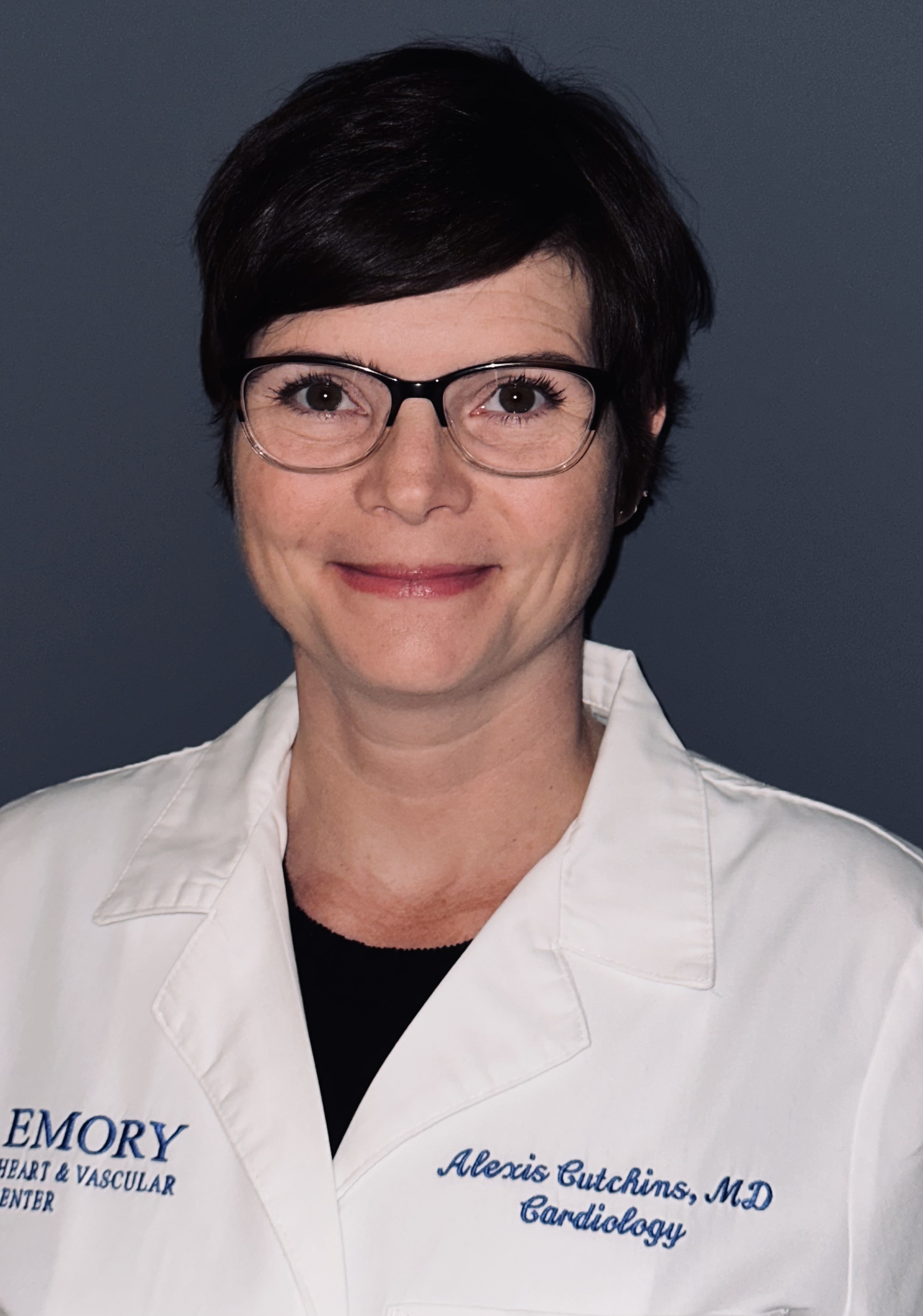
Cardiologist
Dr Cutchins is a board certified cardiologist with a passion for caring for patients with Postural Orthostatic Tachycardia Syndrome, Mast Cell Activation Syndrome and Hypermobility Spectrum Disorders. After 13 years as Assistant Professor of Medicine in the division of Cardiology at Emory University she became founder and CEO of Cutchins Cardiovascular Medicine in New York City. Her time at Emory was highlighted by leadership positions in the Anticoagulation Management Service, the Emory Women’s Heart Center and the Emory Midtown echo lab. She has been recognized globally for her clinical excellence in the care and management of patients with complex chronic illness, specifically, POTS, Dysautonomia and Long COVID. She is also known for her research contributions in this area specifically related to POTS and its comorbid conditions highlighting the role of Pelvic Venous Disease in Orthostatic Intolerance. She serves as a board member for the International Society for Mast Cell Activation Syndromes (ISMCAS), Standing Up To POTS, and SAFIRE (Spencer’s Association For Interventional Research & Education) a nonprofit organization advocating for care and research for underdiagnosed syndromes such as POTS, Pelvic Venous Disease and others.
Dr Cutchins graduated from Hamilton College in 1998 then Emory School of Medicine in 2004 with membership in the prestigious Alpha Omega Alpha society. She did her residency in Internal Medicine at New York Hospital, Weill Cornell in NYC and then moved onto an NIH research fellowship at The University of Virginia in Cardiovascu…Read More