Could Psychiatric Symptoms Be Hiding a Physical Illness? with Dr. Janet Settle (Ep 169)

In this eye-opening conversation, Dr. Linda Bluestein sits down with psychiatrist Dr. Janet Settle to unpack the medical mystery that is mast cell activation syndrome (MCAS) and why it may be hiding in plain sight as depression, anxiety, panic attacks, or even psychosis. Together, they explore how immune system dysregulation can masquerade as psychiatric illness, and why so many patients are misdiagnosed, medicated, and misunderstood. With deep expertise in trauma-informed psychiatry, Dr. Settle explains how MCAS and other overlooked conditions could be the real cause behind persistent mental health symptoms and what it takes to finally get the right diagnosis.


In this eye-opening conversation, Dr. Linda Bluestein sits down with psychiatrist Dr. Janet Settle to unpack the medical mystery that is mast cell activation syndrome (MCAS) and why it may be hiding in plain sight as depression, anxiety, panic attacks, or even psychosis. Together, they explore how immune system dysregulation can masquerade as psychiatric illness, and why so many patients are misdiagnosed, medicated, and misunderstood. With deep expertise in trauma-informed psychiatry, Dr. Settle explains how MCAS and other overlooked conditions could be the real cause behind persistent mental health symptoms and what it takes to finally get the right diagnosis.
Takeaways:
Dr. Settle explains how MCAS can present as psychiatric symptoms like panic, depression, or brain fog—long before classic allergy symptoms appear.
The conversation explores how common psych meds can actually exacerbate MCAS-related symptoms in some patients, leading to confusing outcomes.
Learn how past trauma and immune dysregulation may work together to create a complex feedback loop—affecting mood, cognition, and inflammation.
Many patients are labeled with mental illness for years before MCAS or other immune-based conditions are considered. Dr. Settle shares why this misdiagnosis is so common.
Discover how identifying MCAS and understanding its psychiatric presentations can open the door to treatments that actually work—and a life patients didn’t think was possible.
References & Resources:
Want more Dr. Janet Settle?
https://www.linkedin.com/in/janet-settle-md-b2666142/
www.janetsettle.com
www.Gateway2Healing.com
Want more Dr. Linda Bluestein, MD?
Website: https://www.hypermobilitymd.com/
YouTube: https://www.youtube.com/@bendybodiespodcast
Instagram: https://www.instagram.com/hypermobilitymd/
Facebook: https://www.facebook.com/BendyBodiesPodcast
X: https://twitter.com/BluesteinLinda
LinkedIn: https://www.linkedin.com/in/hypermobilitymd/
Newsletter: https://hypermobilitymd.substack.com/
Shop my Amazon store https://www.amazon.com/shop/hypermobilitymd
Dr. Bluestein's Recommended Herbs, Supplements and Care Necessities: https://us.fullscript.com/welcome/hypermobilitymd/store-start
Thank YOU so much for tuning in. We hope you found this episode informative, inspiring, useful, validating, and enjoyable. Join us on the next episode for YOUR time to level up your knowledge about hypermobility disorders and the people who have them.
Join YOUR Bendy Bodies community at https://www.bendybodiespodcast.com/.
YOUR bendy body is our highest priority!
Learn more about Human Content at http://www.human-content.com
Podcast Advertising/Business Inquiries: sales@human-content.com
Part of the Human Content Podcast Network
FTC: This video is not sponsored. Links are commissionable, meaning I may earn commission from purchases made through links
Learn more about your ad choices. Visit megaphone.fm/adchoices
Transcripts are auto-generated and may contain errors
Dr. Janet Settle: [00:00:00] I don't have a sense of certain psychiatric treatments or medications that need to be avoided. It's more about paying attention to the individual sensitivity.
Dr. Linda Bluestein: Welcome back every bendy body to the Bendy Bodies podcast. I'm your host, Dr. Linda Bluestein, the Hypermobility md, a male clinic trained expert and Aler Danlos syndromes dedicated to helping you navigate joint hypermobility and live your best life. Today's guest is Dr. Janet Settle, an integrative psychiatrist.
I'm so excited to have this conversation. I think I've shared before that I have lived with anxiety my whole life and also A DHD, and we are learning so much more about how Mast sales can play a role in both of these [00:01:00] conditions. This is going to be a great conversation that I think so many people are going to benefit from.
Dr. Settle is a board certified integrative psychiatrist with over 30 years of experience blending conventional and holistic approaches to mental health, disenchanted with the limitations of traditional psychiatry. Early in her career, she pursued training in five element acupuncture and was among the first physicians board certified by the American Board of Holistic Medicine in 2000.
She later completed a fellowship in anti-aging, regenerative and functional medicine, and was board certified by the American Board of Integrative Medicine in 2016. Her practice focuses on identifying and treating the root causes of chronic medical and psychiatric conditions using functional medicine.
Dr. Settle also specializes in trauma treatment, drawing on psychodynamic psychotherapy, EMDR, attachment Therapy and Internal Family Systems, or IFS. She's worked on specialty inpatient trauma units and completed advanced psychotherapy training through the [00:02:00] Denver Institute for Psychoanalysis. I am really excited about this conversation.
As always, this information is for educational purposes only, and it's not a substitute for personalized medical advice. Stick around until the very end so you don't miss any of our special hypermobility hacks. Here we go.
Well, I am super excited to be here with Dr. Janet Settle. Um, it's so great to see you. I feel like it's been such a long time.
Dr. Janet Settle: It has been a long time. Yeah. It's nice to see you too.
Dr. Linda Bluestein: Yeah. Yeah. Well, I'm really excited to, to chat about this really, really important topic and, and what first drew you to study or treat patients with mast cell activation disorders
Dr. Janet Settle: as you might expect, it was sort of a long journey.
I started my psychiatric practice, my private practice in the early nineties and pretty quickly got disillusioned with the tools that I was given in my residency training and just started grasping around it, this, that and the other, and studied acupuncture for a while and took [00:03:00] extra psychotherapy training.
And then I got into holistic medicine. I got into treating people with supplements and fish oil and five HDP. Still. Um, the more I identified as someone who was interested in holistic and integrative methods, the more and more people started coming to me with, um, complex medical problems. Sometimes not even psychiatric problems, but often, you know, most often a combination of medical and psychiatric problems that, you know, were not being well addressed by conventional medicine.
And so it's like the drumbeat got louder. I kept, kept searching and learned about doing hormone replacement, and then I got fellowship trained in functional medicine and then finally started hearing from some of my colleagues about mast cell activation. And then I went to that, the first mast cell activation meeting I went to was the one [00:04:00] that was held here outside of Denver in Broomfield in 2019.
And that's when, you know, I sort of thought, okay, now finally I've, uh, it's 2019, finally I have a, have a finger on the pulse of what's maybe really going on. So it took me a long time, but I was motivated by, even before I was interested in holistic medicine, you know, just the number of people who had.
Kind of intractable fatigue. Um, in psychiatry, traditionally, you know, we lump fatigue into depression. So everyone who has depression and low mood, which all people with chronic illness have depression and low mood, you know, would all sort of get a diagnosis, get assigned a diagnosis of major depressive disorder, which I think may or may not be true, you know, but.
It certainly is not what addresses the fatigue. And of course the low mood is because of the oftentimes, you know, because [00:05:00] of the daunting task of managing a chronic illness oftentimes without enough help from the conventional medical establishment. So that's sort of a long answer, but it was, it's
Dr. Linda Bluestein: been a real, it's been a real journey.
And, and that's where we first met was in Broomfield. Mm-hmm. And at that time mm-hmm. I didn't, I didn't live in Colorado yet. In fact, in fact, my husband had wanted to move to Colorado, but I was not so sure. And then I came out for that meeting and I was like, oh wow, this is a beautiful place. I'd been here to ski a couple times, but mm-hmm.
Um, yeah, I remember meeting you there. And then of course I met you in New York. Well, in New York, yeah. Mm-hmm. A couple years later. A few years later. So, uh, which was, which was great. We had lots of fun conversations there. Yeah. Um, how has your understanding of mast cell related psychiatric issues evolved over time?
Dr. Janet Settle: Well, you know, really from zero to 60, when I first started learning about mast cell activation, I thought, oh, this is gonna give me some tools to help these people with chronic illness and fatigue, for example, [00:06:00] you know, with their other symptoms. But I really didn't realize how much it was going to help their mental health symptoms.
Mm-hmm. So I was thinking of it like, oh, well I can still do my, you know, integrative psychiatry thing, but then I can add on these mast cell strategies. But then it turned out that the mast cell strategies treat a lot of the mental health symptoms. So I wasn't expecting that. So that's been a real evolution.
And then, um, beyond that, I think my conceptualization of what are these mental health conditions, you know, what is major depression and what is bipolar disorder and what is panic disorder has fundamentally shifted to the point that I now think some of. What we call psychiatric illness, so to speak, is really mast cell activation that's not yet been, you know, acknowledged or put on the map.
So it's been pretty Dr. Drastic change in my
Dr. Linda Bluestein: conceptualization. [00:07:00] Yeah.
Dr. Janet Settle: Mm-hmm.
Dr. Linda Bluestein: Yeah, I remember at that meeting when you, you know, they had a microphone, we could go, go up and ask questions and you went up and then you said you were a psychiatrist and you know, some of the things that you said, I was like, wow, that's, I, you know, I hadn't thought about it that way.
And I know there are now some papers that have come out talking about the role of mast cell in, um, psychiatric conditions. So it's super fascinating. And of course we jumped in and immediately started talking about mast cell, uh, and mast cells. But maybe we can just back up a little bit and just explain what mast cells are and what happens when they become overactive or dysregulated.
Dr. Janet Settle: Mast cells, I describe mast cells as sentry cells. They're, they are in everybody. They're in the skin. They're in all kinds of interfaces where it's the interface between the inside world and the outside world. They're in the lining of the gut, the lining of the bladder, the lining of the lungs, the blood brain barrier, the in the skin, and they're sentry cells.
They're kind of primitive in a way because they're kind of binary. They're either calm or else they're like, you know, dumping all their alarm [00:08:00] signals and they're full of, uh, hundreds of different, um, inflammatory chemicals and other kinds of alarm signals. The histamine is the one that is sort of a household word, but there's, uh, literally hundreds of others, um, that aren't household names and not even in med school.
Um, so. When these mast cells get triggered, they, they dump their signal load and then those signals, you know, travel around locally to the area where the cells are living. But then they also can get in the bloodstream and travel through the rest of the body. And so, and their alarm alert signals. And what happens in mast cell activation is that the mast cells become more sensitive and they're more easily activated and they're harder to calm down.
Mast cells are born in the bone marrow, and then they have a lifespan of months to years. And so the reason that that's important is [00:09:00] because sometimes it can take some time. It's a, it's a project to try to get a person's mast. Cells calmed back down again because once they've gotten kind of overactivated, it's hard to get the, you know, the genie back in the bottle.
Dr. Linda Bluestein: Yeah, definitely. And, and we know that so many people go for so many years without being properly evaluated or, or diagnosed. And, and how do you normally describe the, the link between mast cell disorders to psychiatric, um, or neuropsychiatric symptoms?
Dr. Janet Settle: Well, I think one of the reasons as just a little bit of follow up to what I was just saying, one of the reasons that this is really isn't on the map yet for conventional medicine or only in a very limited way, is because we, we sort of thought that histamine is only about allergies or something like that.
You know, that it should only be about allergies s sent. But one of the things that happens, because these mast cells are located in so many different parts of the body, you know, if you line up 10 people with mast cell activation syndrome, [00:10:00] they might, they'll have 10 different clinical pictures, right?
Mm-hmm. I mean, so people have, some people have the gut issue like an IBS picture, so people have chronic. Pain, joint pain, or some people have migraines or some people have asthma, some people have, you know, bladder symptoms, interstitial cystitis. Some people have hives and anaphylaxis, so, or some people have a couple of those, but not the rest of 'em.
And so if somebody looks at a laundry list of symptoms, they might think, oh, I don't have all of that, you know? Um, and so, but missing, oftentimes missing from those comprehensive symptom lists are the mental health symptoms and the psychiatric symptoms that it turns out, in my experience, definitely go right along with this.
And most often, the histamine and other mast cell mediator types of mental health symptoms are any kind of activation. So, panic, anxiety, [00:11:00] hypomania, people feeling. Revved up racing thoughts, irritability, insomnia and brain fog. Maybe some kinds of things that people think of as being more like A-D-H-D-I think can be related to histamine and mast cell mediators.
You know, that's a whole bunch of symptoms that are bread and butter for most psychiatrists, bread and butter kinds of conditions that we treat all the time. One interesting thing, I was always wondering like, why is it that we all got, like, you know, nationally and globally fixated on serotonin and never on histamine?
Well, it turns out that, um, the stains that allowed scientists to study the, um, tracks and the projections in the brain samples, you know, if you take a mo postmortem brain and you're studying neurotransmitters, the stains that they had for norepinephrine and dopamine and serotonin came around about 20 years earlier than the [00:12:00] stains for histamine.
Histamine is such a small molecule. It didn't stain well, they couldn't track it down, and so really. All these other things were sort of stained in brains. And they started understanding the way they operate in brains in the sixties, fifties and sixties, where it really wasn't until the late seventies, early eighties, that they could study what was going on about histamine in the brain.
And you know, by then, of course, the eighties is when Prozac came out. The world was already on a gigantic love affair with SSRIs. Nobody was thinking about histamine except allergies. So, right. So that also, I think was sort of a converging circumstance that slowed us down in terms of understanding histamine and its effect on the brain.
Dr. Linda Bluestein: That's super interesting 'cause yeah, you don't normally think of things like that. I've never heard that before. Um, but it makes sense what you're, what you're saying uhhuh. So that's really fascinating. 'cause I know that, you know, mast cell mediators like histamine, tryptase, cytokines, those things can affect the brain and affect the mood.
But [00:13:00] we don't normally think about, like you said, we normally think of serotonin and dopamine and how, how do those mast cell mediators affect the brain and the mood?
Dr. Janet Settle: Right. There are a couple ways. I mean, the mast cell mediators live right. On the surfaces of the brain and the blood brain barrier, there's some kind of controversy about, to what extent do they live inside the brain complete, you know, completely inside the brain.
But they definitely talk back and forth with these chemical mediators, these cytokines and histamine and other activation chemicals, um, with the immune cells of the brain, with the macrophages inside the brain. The, they're called microglia in the brain. But there's, there's crosstalk back and forth between the mast cells and the, and the microglia.
And it looks like the mast cells can sometimes cross the blood brainin barrier and get into the brain, although that's kind of more cutting edge research. So those chemicals just go in like any other neurotransmitter and activate, [00:14:00] um, parts of the brain. Histamine is a neurotransmitter, but people don't think of it as a neurotransmitter.
Mm-hmm. Um. There are histamine producing neurons in the brain. They live in the limbic system. There aren't that many of 'em compared to the other neurotransmitters. Maybe that's one reason that they were discovered later too. But there's a group of, um, histamine secreting neurons in the limbic system, and they, they spray their projections all over the, the entire brain.
But it's a relatively small group of neurons. So they act in both ways. Um, histamine itself can act in a typical synaptic way where it's sending a message across a synapse from one neuron to the next, but it also can diffuse through the brain tissue to have a more localized message, which I, I suspect is part of what's going on in a panic attack.
Although I can't, I can't, um,
Dr. Linda Bluestein: prove it. Interesting. So if someone, you know, given [00:15:00] how, again, this is not medical advice for, for people listening right now, but if someone has a panic attack, given how safe antihistamines are, would that be a reasonable thing to try knowing that it's not gonna take effect within, you know, seconds or a few minutes, but I mean, you know, you could maybe see some benefit in, you know, 15 to 30 minutes, um, depending on the, on the medication.
Dr. Janet Settle: Absolutely. I think that, I think that, um, I've heard lots of people, and I mean, I think a couple people this week say, well, yeah, the, the, you know, this or that medication for anxiety never did anything to me for me until I tried Benadryl. You know, and, uh, Benadryl can be a perfectly good anti-anxiety medication.
Hmm. Um. And Kein, which, uh, I am sure we both prescribe. Yeah. For, you know, prescribe it all the time. Yep. All the time. Compounded, uh, medication that's a mast cell stabilizer is great for use as [00:16:00] needed for anxiety and panic or other kinds of anxiety, especially people like the, uh, sublingual form when it's compounded into a dissolving tab or a sublingual something, you stick it in your, on your tongue or inner cheek and, and that's very popular, um, among my patients for, you know, a PRN for anxiety.
Interesting.
Dr. Linda Bluestein: Yeah. Um, so I, I usually start people at like half a milligram or one milligram. Mm-hmm. Is that, would it be a dose like that, that you would use or, okay.
Dr. Janet Settle: Yeah. It'd be the same, the same kind of dose. Yeah. Usually I start with half a milligram, so it's in case it's sedating, but, you know, usually with people are anxious, they're not very easily sedated, so.
Dr. Linda Bluestein: Yeah, and I know Hydroxyzine also can be used for a similar purpose, right?
Dr. Janet Settle: Yes. Hydroxyzine is super convenient because it comes in the 10 milligram, you know, commercial size in addition to the 25. Sometimes if 25 milligrams is too sedating, I'll have people take 10 milligrams, um, [00:17:00] as needed for daytime, you know, anxiety, and that works pretty well.
I think the kain probably works better, but the hydroxyzine is definitely, is definitely good.
Dr. Linda Bluestein: And if cost is a factor, you know, oftentimes then you can get that covered by your insurance. And so, so, yeah. Um, yeah. Okay, great. Great. Yeah,
Dr. Janet Settle: and with Benadryl, of course, you can get children's Benadryl and the liquid, you know, drops, and then you can titrate a smaller dose of the 25 is too much.
Mm-hmm.
Dr. Linda Bluestein: Mm-hmm.
Dr. Janet Settle: Mm-hmm.
Dr. Linda Bluestein: And I know Doxepin is available as a liquid, and I've used that before in like low dose hydroxyzine. Is that available as a liquid also? I feel like it, maybe it is. I haven't used it. I don't know. Okay. Yeah, I don't have, I'll, I'll have to look into that. Yeah, I will look into that so that I can, so, okay.
Great. Um, what about neuroinflammation and the gut-brain access and the vagus nerve? What kind of a role do they play? Absolutely.
Dr. Janet Settle: I think that, um, [00:18:00] neuroinflammation is very influential. All of these conditions and that mast cells are driving neuroinflammation again through that crosstalk with the macrophages.
So, mm-hmm. It's sort of a two way street. If you have inflammation for some other reason, right? You have inflammation anywhere in the body because you've had an infection, an accident, an injury, a stressor, uh, even any kind of emotional stress, um, or dental work. I can't tell you how how many people come to me and they say I was fine.
I was cruising along fine, stable on my meds, and all of a sudden, the last week or two, I'm just, just anxious. I can't sleep, I can't function. We're going through the list of like, did this happen? Did this happen? Did this happen? And, and they've had dental work or dental, you know, really surgery or, and it really kicked that kicks, that's an inflammatory signal that, um, activates the mast cells.
Then the mast cells go back and activate more inflammation and it [00:19:00] turns into, you know, kind of a spiral. I'm very interested in the new information coming out about neuroinflammation. You know, the vagus nerve is a super high way of information going in both directions between the brain and all the organs in the body.
Um, but I think 70 or 80% of the information is going from the body to the brain. So anything that happens in your body, whether it's stress, whether it's, uh, again, injury, accident, um, illness is sending those signals up, the vagus nerve, there are signals of injury, illness, trauma, you know, up to the brain and activating the brain and, uh, contributing, I think to that inflammatory state, of course, of an inflammatory state is a good thing if you have to, you know, heal an injury.
If you break your arm, you need inflammation. You need your body and your brain to be working together to set up all the conditions for that to heal. [00:20:00] But, um. Some people, it, it seems to turn into a vicious cycle where it's hard to turn that inflammation off. Mm-hmm. And I think that's what is one of the factors that drives, um, certainly fatigue.
Uh, I, I think of fatigue as being a, a symptom of inflammation, whether it's in the brain or the body. I mean, it's interesting to figure out where to point the treatment, but, um, the brain and the body are, you know, in sync with each other and they're, one is inflaming the other, at least knows about it if it's not also joining in the gut.
Brain axis is also really important. We have as many neurons in the gut as we do in the brain, and so they call the gut the second brain. And, you know, we have all kinds of things in our language that, um. Sort of acknowledge this, you get a gut feeling, or I knew it in my gut. So all the neurotransmitters [00:21:00] that are working in your brain are also working in your gut.
So I think they really mirror each other. Taking care of imbalances, all kinds of root cause conditions and things in the gut is equally important to treating mental health. And part of what I do in the functional medicine, you know, part of my practice in that pen tag of conditions that we talk about, the mass cell activation, aler, Danlos, pots and dysautonomia, uh, autoimmunity.
And the last one is gi, you know, is a SIBO dysmotility type conditions in the gut. So that all of these things are peas in a pod. They all run together. I mean, they all run in a pack together, is what I mean. Mm-hmm. They're all probably not five distinct things. They're probably, uh, offshoots, you know, of one or a couple things.
So. That, that makes sense.
Dr. Linda Bluestein: Uh, I was curious, we don't want people to not go to the dentist, of course, which I know you're not advocating, I know you're not [00:22:00] advocating that. Um, what do you think about pretreating before you go to the dentist, taking some more antihistamines or more mast cell stabilizers or something like that?
Is that something that you ever advise people to do?
Dr. Janet Settle: Do? Absolutely. I do recommend that people who know that they have some mass cell, either activation or even sensitivity mm-hmm. Uh, pretreat for any known stressor, pretreat for travel, if they're gonna, you know, have some rigorous travel schedule or stressful exams or, um, dental work or, you know, you get exposed to somebody in your household has a cough and your, you know, your body's gonna be fighting that off.
I, I have a very tell people to have a very low threshold for. Adding on, um, items from their rescue kit. You know, in my thinking, which I'm sure is, you know, common in our, uh, professional group, people [00:23:00] have kind of a maintenance plan with things that they take regularly, and then they have a rescue kit, which mm-hmm.
Might, might be doubling up on or adding back, adding more, you know, items or more higher doses of things from the rescue kit, from the maintenance plan. Um, but yeah, I have, I tell people to have a low threshold for jumping on the rescue remedies for at the first sign of trouble, or if you can, if you know about the trouble in advance, that's even better.
And I definitely want people to go to the dentist because Yeah, untreated dental things are another source of cell activation, right?
Dr. Linda Bluestein: Yeah. Yeah. Having untreated gum disease or whatever can, you know, contribute to inflammation in the body and is definitely not, not, uh, not good. But that's really important to, to know, uh, that.
I like the maintenance plan and then the rescue kit. I, I like those terms. I think that's very clear as compared to, um, you know, a lot of people talk about flares versus dips. I kind of like the term dips 'cause [00:24:00] I feel like flares, I don't know that term I feel like is, um, whatever works for people of course.
But I think that sometimes the, the, the words that we use matter a lot, I guess is what I'm trying to say.
Dr. Janet Settle: Yeah. I like that word dip. I haven't heard that. That's good. Yeah. Yeah. Uhhuh.
Dr. Linda Bluestein: So in terms of psychiatric symptoms or diagnoses that might be mass cell related, you've talked about depression, panic, anxiety, um, A DHD.
What about things like PTSD, um, mood instability. What about personality disorders? Um, can those things be mast cell related?
Dr. Janet Settle: Super interesting questions. I mean, definitely mood cycling and mood instability. I think. With mast cells, I'm looking at anything that's kind of an intermittent, episodic kind of a symptom.
So whether it's, um, hives or an attack of IBS or, you know, an attack of migraines or an [00:25:00] attack of a panic attack or, you know, a mood swing in one direction or another. Anything that's kind of re recurrent, but intermittent, I think of those as potential mast cell symptoms. But I do see a lot of mood swings that I, um, find are responsive to mast cell stabilizing strategies and also strategies for reducing neuroinflammation.
I haven't thought as clearly about PTSD. Of course, um, stress is such a clear and tangible trigger for mast cells that it would make sense that that would play a role in PTSD. But I haven't done a systematic analysis of, you know, how many of my patients with PTSD also have mast cell activation. I'll have to think about that.
I have thought quite a bit about personality disorders and I do have a [00:26:00] pet theory without too much evidence behind it yet that the state of systemic and neuro systemic inflammation and neuroinflammation that people get into and sometimes have to live in really does change a person's, um. How do I wanna say this?
Coping strategies, maybe styles for living, styles for coping with life. And that, um, you know, when you're sick, when I'm sick, when anybody is sick, it's a regressive experience. It doesn't pull on the most, you know, mature coping mechanisms and our most advanced level of functioning that we've ever reached in our lives, you know?
And so then you could make an argument like, is that really, is the way someone's functioning personality wise with a chronic illness, is that really their [00:27:00] personality or is that really a side effect of their inflammation or the, you know, the level of pain that they have to live with? Uh, I don't know. I think that's a.
That's gonna be a super interesting question for the future.
Dr. Linda Bluestein: Yeah. Yeah, definitely. Definitely. And I have one more question before we take a quick break. And this is kind of a big question, so just, uh, do, yeah. Uh, how can clinicians distinguish between primary psychiatric disorders and psychiatric symptoms driven by physiologic inflammation or mast cell activation?
Dr. Janet Settle: That is the zillion dollar, the million dollar question. It is the zillion dollar question. Um, you can't
Dr. Linda Bluestein: mm-hmm.
Dr. Janet Settle: Uh, they look the same.
Dr. Linda Bluestein: Mm-hmm.
Dr. Janet Settle: And that's the trick. I think the trick is to look for it. The trick is to test for it. The trick is to have mast cell mediators and histamine on your internal differential when you see someone with that [00:28:00] list of really almost any psychiatric symptoms.
Dr. Linda Bluestein: Hmm.
Dr. Janet Settle: And then go ahead and do the investigation whether. It's someone who's gonna be positive on lab testing or not. Um, or whether, you know, some, sometimes it's easier because someone will give me the history and will say, oh yeah, I have interstitial cystitis and I have hives and I've had anaphylaxis and I've had this and I've had that.
Then it's like, okay, this is starting to come together. This is looking like these may well be psychiatric symptoms of mast cell activation. But the weird thing is sometimes there's none of that. Mm-hmm. And it's just purely psychiatric symptoms, but it's still mast cell driven, you know? Mm-hmm. And I, and so then you just have to try, you just have to try and say, well, why don't you try, you know the usual things.
Why don't you try a little Benadryl? Why don't you try a little whatever kain, why don't you try a little of this or that [00:29:00] under supervision? Of course. So, yeah, sometimes it's more obvious and I think, um, it would be great if. It will be great as mental health providers and psychiatrists start asking some more of those questions about the comorbidities so that they can put the picture, put that picture together, but mm-hmm.
Just like you see, you know, I might see someone psychiatrically with a certain symptom and I'm like, well, I'm not sure if that's more of a dopamine issue or a certain issue. People don't yet think, I wonder if that's a histamine issue, but I think they will. Yeah. Mm-hmm. Yeah.
Dr. Linda Bluestein: Yeah. Okay, great. Great. We're gonna take a quick break and we come back.
We are going to talk about, uh, treatments for mast cell related, uh, psychiatric symptoms. So we will take a quick break and we'll be right back.
I am super excited to tell you about the Bendy Bodies [00:30:00] boutique. I'm so proud of our fierce styles and flexible designs. These are created by Hypermobile artists. For Hypermobile shoppers, there are so many fun items from clothing, accessories, home goods, and my favorite are the bags. I especially love the weak Weekender tote with one of the EDS tough designs.
Whether you're shopping for yourself or someone you love, there's so many options to choose from. A portion of the proceeds goes to support EDS nonprofit organizations. For more information, please visit bendy bodies boutique.com. Thank you so much for listening to Bendy Bodies. We really appreciate your support.
It really helps the podcast when you like, subscribe and comment on YouTube and follow rate and review on all audio platforms. This helps us reach so many more people and spread the information to everyone. Thank you so much again, and enjoy the rest of the episode.
We are gonna jump into treatment in just a minute, but I have a couple of questions before we get into treatment. Um, first I wanted to ask, are there other medical [00:31:00] causes, I know there's other medical causes that are, that can be missed, um, for causing psychiatric symptoms, for example, um, maybe metal toxicity or something like that.
Is there something that we should be aware of because it's rarely discussed?
Dr. Janet Settle: I'm so glad you asked. There is a long list of things that I hope people will look for. Um, of course everyone's knows. I think, you know, that, that we should check thyroid, uh, for any kind of psychiatric conditions. And interestingly, I've found.
Quite a, a small number of people where the parathyroid was elevated and that, um, removing the, identifying that and then having the parathyroid ho surgery allowed people to get off of antidepressants Wow. Entirely. Which I thought I didn't learn that well enough in residency. So I kind of, [00:32:00] I'm kind of a stickler for checking both thyroid and parathyroid.
And of course with anxiety, you know, you wanna check, uh, for, uh, you know, a, an adrenal tumor pheochromocytoma. But I've never in 30 plus years, identified one of those myself. You know, I think yeast overgrowth. Is something that I think is under recognized and undertreated. And I think with the people taking antibiotics and people taking steroids for this and that, um, yeast and fungus can really get going in people.
And I get some good traction for, I would say more sort of non-specific physical and psychiatric symptoms. Fatigue and brain, especially brain fog and, um, [00:33:00] itching and GI symptoms, bladder symptoms, acne, you know, that kind of picture, uh, with sometimes testing for fungal. It's hard to test. It's hard to test for, but there are various ways you can try to test or sometimes just treating presumptively.
Um, if the clinical picture looks convincing enough, I may just give someone a course of some antifungal. Mm-hmm.
Dr. Linda Bluestein: Mm-hmm.
Dr. Janet Settle: In terms of middle tox toxicity, you know, um, mercury and candida help each other. They're like little partners in crime. Mm-hmm. And so when you find one's, you oftentimes will find the other and they help each other.
So I do some metal testing and I do sometimes prescribe, some not, I don't do IV chelation, but some kinds of detox strategies that may help with heavy metals, but usually [00:34:00] I'm working on other things first. It's not at the top of the list for me to work on the heavy metal toxicity. I think that parasites are under recognized and undertreated just because we can't.
Find 'em very well. They're so darn smart about staying hidden and you know, everything you try to do to test 'em comes back negative. And then there's kind of this presumption that like, oh, we're, you know, we're living in a developed country. We don't have any parasites, but that's just not true. So my thinking is evolving.
I haven't landed anywhere. We'll have to talk about this next time. I don't know where I've exactly landed about parasites, but they're on my radar for people who have mystery symptoms, um, and have tried a whole bunch of things and knock on relief. I'm like, well, I don't know. Let's think about this. Um, I've been reading some of the work of Dr.
Simon [00:35:00] Yu, and that's been, that's been informative. And of course we were talking about dental. I think I saw on your podcast that you've have had a dentist mm-hmm. Who you interviewed, and did you have a conversation about cavitations and all of that? I've, I don't think we really went into cavitations.
Mm-hmm. Not
Dr. Linda Bluestein: significant. Yeah.
Dr. Janet Settle: Yeah. Cavities are, um, infections in teeth and, uh, cavitations are the infections in the bone underneath the tooth. And so, um, people can have cavitations that's like a silent, hidden infection underneath a tooth. Most often. It's like a, it's like a root canal tooth, or, uh, a wisdom, a wisdom tooth spot, um, where a wisdom tooth has been removed, but maybe not completely.
Um, mm-hmm. So with a root canal, you know, they kill the nerve. That's part of what the root canal is to say kill the [00:36:00] nerve. So it's painless. You don't have any pain, but you have this hidden infection. Hmm. So again, when people have, um, chronic, mysterious symptoms, um, I will refer them to get what they, they have a special CT scan.
It's just like one of those panorama kind of x-rays. But instead of an x-ray, it's a ct. Scan up the roots of the teeth and you can see the cavitations. And sometimes people have very dramatic results getting those things cleaned out, including, including depression. I've seen that, I've seen depression really respond to getting the cavitations treated.
Dr. Linda Bluestein: That's fascinating. Are there certain things for people in specifically with the cavitations, specific things that would make you more suspicious about that?
Dr. Janet Settle: Hmm, certainly, like I've seen someone recently who had chronic facial pain. You know, like I see someone who has like a, what looks like a trigeminal [00:37:00] neuralgia or sort of a chronic, chronic facial pain that would make me suspicious migraines.
But in the case that I was thinking about where the depression clearly responded, there were, there was none of that as a tip off. So mostly I'm just asking people, you know, like, how many, um, root canals do you have? And so another tip off of course is like, oh, I had a, I had a, this crown replaced and it's still, you know, sort of is achy and hurts eight years later or something like that, you know?
Mm-hmm. Or, um, a root canal that they've gone in a couple times to try to redo it and it's still, the person still has pain. I, I think that would be a tip off. Yeah.
Dr. Linda Bluestein: Mm-hmm. Okay. Okay. And what other treatments have you found, uh, most effective for psychiatric symptoms in patients with MCAS or related conditions like EDS or dysautonomia?
Dr. Janet Settle: Well, all of the usual [00:38:00] mast cell treatments apply and do help with psychiatric symptoms, just like they help with non-psychiatric symptoms of mast cell activation. So the usual anti has to be used, the H one blockers, we talked about the H two blockers, like Pepcid tag kein. Uh, I use low dose naltrexone quite a bit.
The supplements like lutein, quercetin, nettles, um, PEA, all those things apply, but those aren't, you know, specifically psychiatric treatments. So then in terms of psychiatric treatments that I use in this setting. That would probably fall into two different categories. One category would be psychiatric meds that are also have some antihistamine activity.
So things like Seroquel or Remeron, um, come to mind. I'm sure there are others that I'm not thinking of right now, but, um, but you know, and, [00:39:00] and you mentioned doxepin. Um, certainly Benadryl and Hydroxyzine, but the other group of medications would be things that reduce neuroinflammation, but they're not essentially antihistamine in nature.
So that would be things like Lamotrigine, which is Lamictal or, um, lithium is very anti neuroinflammatory. And uh, uh, one of my favorites is, uh, an an SSRI that nobody's heard of called Fluvoxamine. Once upon a time, it had the brand name Luvox, but it's only generic now. Um, it was the last of the whole line of SSRI, so everyone was like another SSRI, you know, and, uh, but it turned out to be a special one.
Turned out that the last one was [00:40:00] maybe the, one of the most special ones, but it never got any attention. So Fluvoxamine works as an SSRI, but it also is anti-inflammatory at something called the Sigma one receptor. And, uh, and throughout the body, not just the brain, but the whole body, and for example, in COVID, when they.
When people were hospitalized, they were using fluvoxamine in the hospital to tr as an anti-inflammatory for people who had no psychiatric symptoms whatsoever. And they did. They came out with a, at least one study showing improved outcomes at the end of the hospitalization from using fluvoxamine for hospitalized COVID patients.
So it's very anti-inflammatory. So I really like fluvoxamine. I like it as an antidepressant. It's, um, also pretty good for sleep. It's sedating and low doses. Um, the low dose would be like 25 or 50 milligrams or [00:41:00] maybe anything up to a hundred. The label says the full dose is 300 milligrams. I don't know that most people really get up to 300 milligrams, maybe 200.
I have some people on 300. Um, but you know, so the dose range is something like 100 to 300 milligrams, um, at bedtime because it's sedating. I wanna back up though, and say I am glad this came up because one of the categories of symptoms that really, that is really related to neuroinflammation is obsessive anxiety.
Dr. Linda Bluestein: Hmm.
Dr. Janet Settle: And by that I mean the looping thoughts, the rumination, the intrusive thoughts, you know, where you can't get something out of your mind and you're over and over and over again. Some people have obsessive anxiety and then they also have compulsive behaviors. An obsession is an unwanted, intrusive thought.
And a compulsion is an unwanted, intrusive behavior or to, that's designed to neutralize [00:42:00] the thought. So, you know, for someone who has obsessions about cleanliness and then they have an, uh, a compulsion that's handwashing or, uh, somebody has an obsession about safety and they have their compulsion is they don't leave the house or don't drive, or, you know, don't drive on the highway or something like that.
So some people have that full blown, where they have both the obsessions and the compulsion. Some people just have the obsessive anxiety as part of their depression or, um, even part of their, uh, you know, bipolar fixture. And this fluvoxamine is really, is really effective. It's FDA approved for OCD, but it also works for.
Uh, regular depression and, um, and obsessive anxiety. And I really believe that obsessive anxiety is different from garden variety anxiety. I think it's biochemically different and that it responds to anti-inflammatory [00:43:00] strategies, like the things that we were just talking about, like, like low-dose naltrexone is an anti-inflammatory strategy that is good for all kinds of symptoms, but obsessive anxiety is one.
Dr. Linda Bluestein: Mm-hmm. That's so interesting. And Fluvoxamine, I, I did prescribe that for a while during COVID. I haven't prescribed it for a long time, but mm-hmm. Was there somebody in St. Louis, maybe at WashU that was doing a lot of research around that? I feel like I, I feel like I was reading about that in a lot of different places, so that's super interesting.
Um, is that hard to come off of like a lot of other SSRIs or is that not as bad?
Dr. Janet Settle: I haven't thought of it as being particularly bad, but I, I don't know if I know the answer to that. It's not, it's not in my mind as a front runner of trouble with, um, withdrawal, like IL is hard to come off of and, um, of course Effexor the worst.
Yeah. But not an SSRI,
Dr. Linda Bluestein: I've heard terrible [00:44:00] things about that. Yeah. Yeah. Trying to come off of that. Yeah,
Dr. Janet Settle: usually I, my strategy works pretty well, which is I just, if somebody wants to taper off of whatever they're taking, whether it's an SSRI or it's an SNRI, we switch 'em over to Prozac, fluoxetine, because that has a long half life and it's kind of self tapers.
So you just do, you just, uh, switch over to Prozac and then we write a six month taper, which is pretty simple and straightforward, and it usually works great where you take it. Prozac, you don't have to take it every day 'cause it lasts so long. You know, it's got such a long half-life. So you can take a seven days a week for a month and then six days a week for a month, and then five days a week for a month, and then four days a week for a month.
Oh wow. On and on down you go. And Uhhuh, uh, and it usually is kind of a non-event, so. Mm-hmm. That's my secret tip about SS SSRI withdrawal.
Dr. Linda Bluestein: I love that. 'cause I've had a co uh, I'm not a psychiatrist obviously. Mm-hmm. But a lot of my patients are on psychiatric medications. Mm-hmm. And [00:45:00] they'll share with me that they try to wean off of whatever the medication was, you know, pick a mm-hmm.
They got SSRI or an sn I like you're saying, um, or even non, you know, these medications that cross the blood brain barrier Right. Are just, you know, a lot, a lot more difficult. So That's a great tip. So can you, when you do that, how long do you have to wait after starting the Prozac? Before you can start?
Do you wean the other one or can you stop it or, it depends on, I'm sure it depends on the medication and a variety of other factors, but,
Dr. Janet Settle: well, usually you can cross over pretty mm-hmm. It's pretty simple. You need to have someone who can help you find the kind of the equivalent dose. Mm-hmm. And then you need to make sure that you've gotten close to the equivalent dose by looking for symptom, either side effects of too much or withdrawal symptoms of too little, you know, so you start to dial it in, make sure you're getting the right dose and then you can go ahead and start taper.
So yeah, I usually change someone over entirely and there might be a, I don't know, it sort of depends, you know, how people are [00:46:00] sometimes are more robust and they're like, oh yeah, they just roll with anything. You can just change 'em over. But some people are more sensitive and maybe I do it cross taper for two or three weeks, you know, to get 'em over from one to the other.
Sure. Yeah.
Dr. Linda Bluestein: Sure. Okay, great. Yeah. And um, you and I have talked about ketamine on a number of occasions. Um, and I know that, uh, you know, I prescribe ketamine, sublingually, I don't normally prescribe it nasally, although I have done that before. Um, what are your thoughts about ketamine?
Dr. Janet Settle: I most often am sending people for IV ketamine, you know, for the six IV treatments for depression, which has been shown in the literature, you know, to really help pull people outta the ditch from a major depressive episode.
Mm-hmm. And, um, that's been the most common thing that I've done with ketamine. I've also referred people for, um, ketamine assisted [00:47:00] psychotherapy. So sometimes I prescribe the sublingual tabs for use in with a trained therapist in a 90 minute psychotherapy session to help people, you know, and I think it, it turns off the left brain so that the right brain can tell you important things and make connections.
Um, so that I prescribe it for that. I don't have too much experience prescribing it for, you know, are you talking about prescribing it for daily home use?
Dr. Linda Bluestein: Yeah. You know, when I prescribe it, I'm prescribing it for, uh, for pain, for persistent pain, and I'm mm-hmm. Aiming, and I'm aiming for, you know, taking the edge off the pain without the psychoactive, you know, or with minimal psychoactive effects.
Mm-hmm. Um, and especially for people that have a lot of central sensitization or maybe they're coming off opioids or something like that, um, I was just curious if, you know, if you prescribed it, recommended it, you know, there's obviously, like you just said, you know, there's IV and there's all, you know, different ways to administer it, but I was just curious, uh, what your thoughts were.[00:48:00]
Dr. Janet Settle: Yeah, I'm usually prescribing it more for depression in those big doses, and I refer people, you know, to someone who I think does also prescribe it. More for daily use for certain conditions, but I'm not usually prescribing for pain. Mm-hmm. But that's interesting. What dose do you usually find is the dose that helps with take the edge off the pain without being psychoactive?
Is that 25 or 50 or is it, uh, so,
Dr. Linda Bluestein: so yeah, so I write for 25 for the first script, and I say take a half to a hole, Uhhuh and I, and I tell them like, we're looking for just, you know, another tool to have in your toolbox to, you know, uh, give you a little more reassurance that if things are bad, that you have something that you can do.
And then, you know, some people say, well, the, you know, if I take 25, it really seems to help. And then if they do that, then usually I'll write the next script for 50 so that way they can take a half. 'cause then it's less expensive since it has to be compounded. Um, so then I'll say, you'll still take a half.
It's, we're looking for like the lowest effective dose. Mm-hmm. Which, um, you [00:49:00] know, I, I did have a patient once. He's tall guy. Really, really big guy. And, um. He did not take it as I prescribed it. He took like, well he took one and then a few minutes later took another one and he took like six total. So he took 150 milligrams and he said he didn't feel anything at all.
Um, and, but he had some psychoactive effects. So I have patients who, you know, are not able to find that sweet spot. And then I have other people who are like, you know what, I take my 25 milligrams at night and it just helps me, you know, kind of relax and I know that I have it there, that I can use it if I need to.
And you know, they don't escalate the dose, we're just staying at that same dose. And, um, so I know it's really low, but I'm usually hoping to have that low dose to, you know, keep them out of, you know, ketamine cystitis, which is obviously, you know, we're, nobody knows what the magic dose is for that, but we're, you know, way, way below that.
Of course. Yeah.
Dr. Janet Settle: Mm-hmm. Mm-hmm. Yeah, I've heard, [00:50:00] uh, I think I've heard of a compounding pharmacist who really. Believe in using low dose ketamine for depression. Have you seen antidepressant effects at that dosing?
Dr. Linda Bluestein: That's a great question, because you know, of course, if you're making the pain better, then you know, oftentimes they're sleeping better and the depression is better.
Sure, sure. I should start asking that more specifically. Um, when you're doing the sublingual ketamine and they're doing the psychotherapy, I, I love that. And I'm assuming that these are people who, you know, that's maybe their niche. Mm-hmm. Um, if for the average, you know, adult, what kind of dose would you be looking at for that?
Dr. Janet Settle: Usually I give, I prescribe the 100 milligram mm-hmm. Dissolving tabs, and I'll have them work together with the therapist to find the right dose.
Dr. Linda Bluestein: Mm.
Dr. Janet Settle: It's usually between, it's usually about 2 50, 250, I would say is the average dose for that. Okay. And we're, we're looking for a dose where there is some, you know, sedating effect where they get that kind of, uh, dissociative experience.
Mm-hmm. Yep. So [00:51:00] that, that's what kind of, yeah. Unplugs the left brain, so the right brain can talk. Mm-hmm. Um, and so it's usually about two 50, but it might be between 200 and 300, something like that. I have had occasionally people say, oh no, it takes 400 or it takes four 50, but that's not, that's the outlier.
Dr. Linda Bluestein: Mm-hmm. Yeah. Mm-hmm. Yeah. And I have patients who, I have a patient who take, she's young and takes 175 milligrams like every night. That's her dose. She gets from a psychiatrist and she takes that every night. And then I have other patients who are, usually it is, I feel like a psychiatrist that's prescribing 500 milligrams and they're, I think they're taking it at home.
So, um, yeah, it's very interesting how that medication is used in so many different ways. Yeah. Um, so, yeah. Interesting. Yeah. Mm-hmm. Okay. Um, are there certain psychiatric medications or treatment strategies that you find to be most problematic or potentially harmful for people with mast cell activation?
Dr. Janet Settle: I don't think so.
Um, I guess the thing that comes to [00:52:00] mind is the issue about excipients. Mm-hmm. You know, um, and people having their mast cells flared by excipients in medications. Um, that I don't think there, I don't have a sense of certain psychiatric treatments or medications that need to be avoided. Okay. In people with mast cell activation, it's more about, um, paying attention to the individual sensitivity.
And I think especially if somebody comes in and they don't know anything yet about cell activation, that can be a very confusing time. Right. It seems like everything is making them worse. You're like, I don't tolerate this. I don't tolerate that. That's was out not helping, not helping, not helping. And I'm like, okay.
Before I knew as much about mast cell activation, you know, you could run yourself through 12 different meds and you know, nothing has helped and you know, you feel terrible, you haven't helped the person. But now I know more to slow it [00:53:00] down and really lean into the chromelin. I didn't mention before, you know, the H one blockers, H two blockers, and really lean into that because if somebody has mast cell activation, the thing that really helps is to turn the baseline down so that then people can see their dips or their flares, whatever they're on called.
Right. They can see their, their, their dips, and it's not all buried in white noise. And then once that baseline is turned down, well, first of all, we can reassess the psychiatric symptoms and see is there anything left to treat. Sometimes there's not. Sometimes, you know, chroma and Benadryl, you're like, oh, thank you, I'm done.
You know? Wow. It's amazing. That's awesome. Yeah. Uh, but. Other times then, you know, there's more room, there's more, uh, there's less noise, there's more room to then use, uh, whatever it's gonna be. Uh, I [00:54:00] was gonna say, you know, an SSRI, I would say, and maybe you got this already, but I would say, you know, I lean more toward Lamotrigine and Lithium in this group.
I would say the mood symptoms that people tend to present with, they look like bipolar ish types of symptoms. I hope they changed the DSM in my lifetime. So we have some better labels for things. Mm-hmm. But, you know, so I say bipolar ish because looks like bipolar, probably responds to meds for bipolar. I do, I really think it's bipolar.
No, I really think it's mast cell activation. Mm-hmm. You know? Um, so, but, but anyway, uh, I, I do think it's not uncommon for people who have mast cell activation in my practice that they don't respond as well to SSRIs and they do respond better [00:55:00] to Lamotrigine and lithium, which are both just antidepressants.
I mean, in their mm-hmm. Their mood stabilizers and their anti-anxiety. And so I say, well, we're just using this non-specifically. We don't need to put a label on this. Mm-hmm. But, you know, it can make people uncomfortable. This idea like, why am I, why are you recommending bipolar meds For me, I am like, don't think about that.
You know, just think about what helps.
Dr. Linda Bluestein: Yeah, I know that's, uh, an interesting point about, you know, the potential stigma of having, you know, li Lithium, for example, in your records, or I haven't thought about that. I take low-dose naltrexone and I haven't thought about that before I started low-dose naltrexone.
Are people gonna look at that and, you know? Mm-hmm. I mean, it's, I, I've had people say that when I've suggested to start them on low-dose naltrexone, and I don't really think about it anymore for myself, but when they ask me that, I, you know, I of course talk to 'em about, about that and hopefully a lot more people are aware of, you know, the uses of that off-label, you know, for chronic pain and, and things like that.
So, [00:56:00] but uh, yeah, it's, it's tricky. Um, what about lithium low dose for cognitive function? Do you ever recommend
Dr. Janet Settle: that? All the time. All the time. Really? Yeah. I do. I love lithium orate in doses between, you know, five milligrams and 20 milligrams. I use it in a couple different scenarios. You know, I might even use it for insomnia or irritability or mood swings.
If someone's got, you know, a subtle kind of mood swings and or low mood, a depressed mood, you know, I'll have 'em try a week each of 5, 10, 15, and 20 milligrams of lithium or ate at bedtime. And then compare and contrast. See which week do you like the best and stay on that dose. Um, if somebody has a more robust kind of a bipolar picture then, and I'm trying and [00:57:00] they would like to replace prescription lithium with lithium orate, then I might have 'em use 30 or 60 milligrams of lithium orate.
But you're asking about cognitive function, I think that. Data is pretty good. And then even the new stuff that's just come out about lithium and possibility of dementia prevention is exciting. So everybody who comes in and says, I'm worried about dementia, I'm worried about my cognition. I'm like, well, this is safe and easy.
You know, just take five milligrams of lithium orate and you don't have to follow levels. If you tried to check a blood level, it would be undetectable, right? It, it doesn't carry the same risks as a prescription lithium for the kidneys and the, and the thyroid. So I think that's kind of a, I don't wanna call it a no brainer, 'cause what we're talking, what we want is a full brainer,
Dr. Linda Bluestein: you know?
Right, right, right. Yeah, abs, absolutely. [00:58:00] Um, this has been such a great conversation. I have so many other questions I wanna ask you, but I, I, I'm gonna try to. Wrap up and, and, uh, see if I can just fit a couple of more things in here. One is, what are the non-pharmacologic things that you find most helpful in this population?
Are there certain things that you think are, you know, really important for people to incorporate?
Dr. Janet Settle: Yes. I think, you know, some people respond to the low histamine diet and so I do usually have people try that. Um, some people it makes no difference. And so I think, well, they must have a different population of mast cells and a different part of their body.
They're not, you know, they don't, they're not the people who get the flushing after meals and tachycardia after meals, you know, so I have people try the low histamine diet and then decide if it helps them or not. I think, um, stress management and sleep hygiene [00:59:00] and, um, awareness about triggers, you know, so that you can be proactive and you can be prepared and you had your kit with you and, you know, those kinds of things.
As people mature further into their course of ba cell activation, I think people get better at that and that can improve their quality of life. I think psychotherapy.
Dr. Linda Bluestein: Mm-hmm.
Dr. Janet Settle: To help address the kind of the stubborn emotional buttons that can get people riled up. 'cause if you're, you know, if your buttons get pushed, then your mast cells are getting pushed.
Dr. Linda Bluestein: Mm-hmm.
Dr. Janet Settle: And, um, so I think understanding your buttons more and finding, you know, compassion and healing for your inner buttons is, uh, is an important. Steph, I'm a, I'm a huge fan of Internal Family Systems therapy. I don't offer it myself, but I'll [01:00:00] give a shout out to IFS. Mm-hmm. Um, 'cause I think it's, it's one of the fastest psychotherapy techniques I've ever come across in 30 years.
And the people who do somatic IFS and those people are listed on, um, Susan McConnell's website, um, which I think is called embodied self.net, but I might, I might be wrong. She treats different parts of the body as different parts of the self. So you can actually have a dialogue between your own, um, higher self and say your mast cells and say, okay, mast cells, what are you, what do you want me to know?
What are you doing for me? How are you helping me? How are you protecting me? The idea is that every part of your body is doing a thing that it. Has learned to do thinking that it's helping you or responding, you know, to something. And I think that's really, I think that can be really powerful. That's really [01:01:00] exciting.
Yeah. Mm-hmm.
Dr. Linda Bluestein: Mm-hmm. Mm-hmm. Well, that's really cool. And I know that you are, uh, you have a new business offering, so if you could tell us about that and where people can learn more about you and if you have any other projects going on.
Dr. Janet Settle: Yes. The new thing that I'm launching is a medical intuitive reading practice.
I got certified by, uh, uh, a certification group led by Wendy Coulter called The Practical Path as a certified medical Intuitive. And so what I do in those readings is, uh, connect with the person's higher self in order to read an energetic representation of the physical body. And I believe that we all have, um.
Traumas, they might be individual traumas or even collective traumas or lineage, ancestral traumas, you know, beliefs, emotions, things that are stuck in the energy body, right? I [01:02:00] mean, everybody is made up of an energy body and the, and the physical, which is the scaffolding and the physical body is sort of, you know, organized around that scaffolding of the energy body.
And so there are, um, you know, you can look into the kidney or you can look into the mast cells or you can look into the brain and see what's going on in there on an energetic level. Are there some, is there some stuck, hidden, um, trauma that came down the family line or, you know, from earlier in life? And it really can be, give people such a nice sense of, um, either validation, like, oh yeah, I knew that was it.
Or, um. Or direction like, oh, I didn't realize that was it. Let me go after that thing. And um, the, so the reading includes recommendations for things to do on the physical level and maybe also on the energetic or [01:03:00] emotional level about how to address these issues that might be underlying, underlying physical conditions.
And so it's really fun, really excited about it. I'm launching a new website. It's not quite up yet, but it's, uh, the business is called Gateway two, healing with the number two, it's gateway to healing.com and it should be up in about the next month. So I'm excited to add that to what I'm doing. 'cause, uh, you were asking about other, other things people can do and I think, you know, everybody has their own comfort level with this, but I believe that spiritual healing and finding a connection with.
One's own higher self or any connection at all that a person feels comfortable with, with the, you know, with the universe or with the divine, or with the mother earth, whatever you wanna call it, is really so healing. It can be healing, um, literally in terms of the body, but it can also be healing, um, in terms of, uh, hope and [01:04:00] context and resilience and not feeling alone.
You know, one of the, uh, things that's really been a motivation for me on this long journey is gradually seeing more and more and more of how people appear to be fairly betrayed by the medical system. You know, that I mm-hmm. Joined and trained in and pledged myself to, and have worked in for all these decades.
And so I think that feeling of, um. Loneliness and tr medical trauma that comes from being dismissed and devalued and kicked out of ERs. And, you know, uh, eye rolling and all of that stuff can come from this stigma of having psychiatric meds and psychiatric diagnoses on your chart. But I think it's all almost even worse for people who have chronic fatiguing illnesses, you know, in this, this cluster of things that includes [01:05:00] mast cell and EDS and pots and, um, so that's tragic.
And I think that there's some. Real healing to be found in, uh, you know, finding a connection not only with the, the peers, uh, you know, and other people around you, but with whatever spiritual resources you feel comfortable accessing. So.
Dr. Linda Bluestein: Mm-hmm.
Dr. Janet Settle: Yeah,
Dr. Linda Bluestein: I love that. Um, I, that's really cool. And you may know that we always finish every episode with a hypermobility hack.
Do you have a hack to share with us?
Dr. Janet Settle: Yes. The hack is don't stop looking for the deeper root causes, because there's so much research going on right now into new things. There's so don't, if people tell you like, oh, you just have this and done case close, you just have to live with it. I disagree a hundred percent.
I think you keep learning and keep looking [01:06:00] because there's new stuff coming out every day, like about the dental cavitation. Like, uh, you know, talk to me again in a year about the parasites, about, uh, heavy metals. You mentioned, you know, there's so much on the horizon that I think is beyond even calming the mast cells that's gonna address the deeper level.
It's like, don't forget that there's lots more coming down the pipeline. And I, and I think that there's more openness. I think there's more, I hope there's more openness or else I'm living in my own bubbles.
Dr. Linda Bluestein: No, I, I definitely, I, I definitely think that there is, and, and that's why I, you know, really started getting more into.
Educating people about pain long before I had like the podcast and everything, because I would go to conferences, I would go to anesthesia conferences and, you know, go to lectures about, about pain. And it felt like there was such a disconnect between, you know, researchers [01:07:00] sharing different things that they're doing and then people thinking, well, there is nothing.
And of course, part of the problem is the amount of time that it takes for information to come from the bench to the bedside, which is a, you know, a huge part of the problem, which you could talk about that for a long time, but, mm-hmm. You know, we need to work on, we need to work on that, of course. But I think it's really important for people to be aware that, um, you know, there are people that are working on these kind of things.
And so I think this is, um, making me feel really hopeful because psychiatric problems are really pervasive and so many people I feel like are, you know, suffering and really struggling. So this was really, really helpful and I'm so grateful to you for, for, uh, taking the time to chat with me today.
Dr. Janet Settle: Thank you so much for having me.
It's been really, it's been really fun to connect about this and to share information that I hope will be helpful for people.
Dr. Linda Bluestein: Well, I really enjoyed that conversation with Dr. Settle. I feel like these psychiatric problems are just [01:08:00] so difficult to navigate sometimes, and it gives me a lot of hope to think about all of the possible stones that we can unturn and really try to find the root causes of a lot of these symptoms. So thank you so much for listening to this week's episode of the Bendy Bodies with the Hypermobility MD Podcast.
I hope you'll check out my other resources, including my newsletter, the Bendy Bulletin. You can check that out on substack@hypermobilitymd.substack.com. You can help us spread the word about joint hypermobility and connective tissue disorders by leaving a review and sharing the podcast. This really helps raise awareness about these complex conditions.
Did you know that I also offer one-on-one support for both clients and healthcare professionals? Whether you're living with a connective tissue disorder or caring for people who are, I've got your back. Check out my coaching and mentorship options on the surfacePage@hypermobilitymd.com. You can find me, Dr.
Linda Bluestein on Instagram, Facebook, TikTok, Twitter, or LinkedIn. At Hypermobility MD you can find human content, my amazing [01:09:00] producing team at Human Content Pods on TikTok and Instagram. You can also find full video episodes up every week on YouTube at Bendy Bodies Podcast. As you know, we love bringing on guests with unique perspectives to share.
However, these unscripted discussions do not reflect the views or opinions held by me or the bendy bodies. Team. Although we may share healthcare perspectives on the podcast, no statements shared on bendy bodies should be considered medical advice. Please always consult with a qualified healthcare professional for your own care.
To learn about the Bendy Bodies program, disclaimer and ethics policy submission verification, licensing terms and HIPAA release terms, or to do with any questions, please visit bendy bodies podcast.com. Bendy Bodies podcast is a human content production. Thank you for being a part of our community, and we'll catch you next time on the Bendy Bodies podcast.
Thank you so much for watching. If you enjoyed this video, give it a thumbs up and leave a comment below. I love getting your feedback. Make [01:10:00] sure to hit that subscribe button and ring the bell so you will never miss an update. We've got plenty more exciting content coming your way, and if you're looking for more episodes, just click on one of the videos on the screen right now.
Thanks again for tuning in and I'll see you in the next episode.
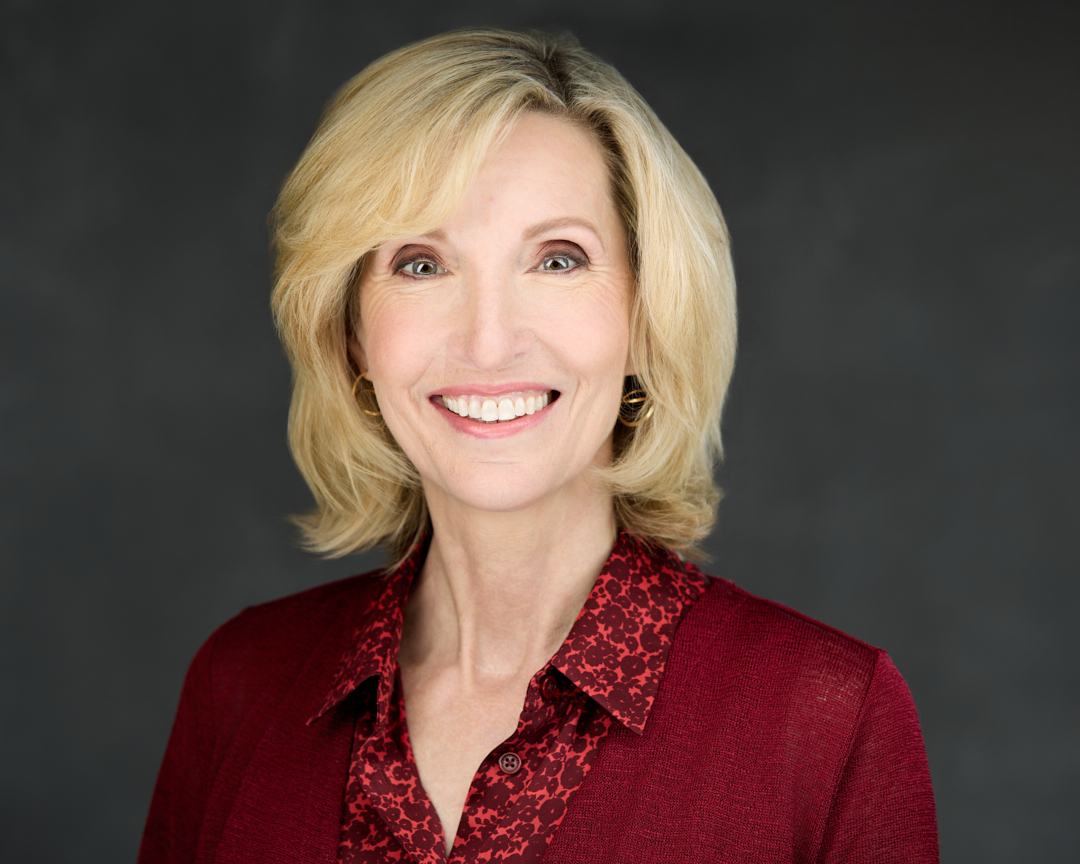
Integrative Psychiatrist and Medical Intuitive
Dr. Settle is one of a small but growing number of psychiatrists who are incorporating functional and integrative medicine into their psychiatric practices. Credentials include:
Medical school - Northwestern University
Psychiatric residency - University of Colorado
Board certified by the American Board of Psychiatry and Neurology
In the first group of physicians certified by the American Board of Holistic Medicine in 2000.
Fellowship trained in functional medicine
Board certified by the American Board of Integrative and Holistic Medicine