Chronic Pain, Focus, and the Brain Shift Psychedelics Reveal with Dr. Shimi Kang (Ep 179)

In this expansive and deeply affirming conversation, Linda Bluestein and Shimi Kang explore a powerful idea: true healing comes from connection, not control—especially when living with chronic pain, nervous system dysregulation, or complex, overlapping conditions.
They unpack the neuroscience of emotional regulation and why chronic pain so often disrupts attention, focus, and cognitive flexibility—issues frequently labeled as “brain fog” or misattributed solely to mood or motivation. The discussion also dives into the growing recognition of overlap between neurodivergence and Ehlers-Danlos Syndromes, exploring how sensory sensitivity, pain, autonomic stress, and dopamine dysregulation may be biologically intertwined.
The conversation examines how constant tech stimulation and dopamine overload can further impair resilience, focus, and emotional regulation, particularly in already taxed nervous systems. They also explore emerging research on psychedelic-assisted therapies, including how substances like psilocybin may help unlock stored trauma, shift pain pathways, and support nervous system recalibration.
From the culture of medicine to the lived experience of chronic illness, they name the often-unspoken role of shame in blocking connection, care, and recovery—inviting listeners to rethink how we relate to our bodies, our brains, and what it truly means to heal.


In this expansive and deeply affirming conversation, Linda Bluestein and Shimi Kang explore a powerful idea: true healing comes from connection, not control—especially when living with chronic pain, nervous system dysregulation, or complex, overlapping conditions.
They unpack the neuroscience of emotional regulation and why chronic pain so often disrupts attention, focus, and cognitive flexibility—issues frequently labeled as “brain fog” or misattributed solely to mood or motivation. The discussion also dives into the growing recognition of overlap between neurodivergence and Ehlers-Danlos Syndromes, exploring how sensory sensitivity, pain, autonomic stress, and dopamine dysregulation may be biologically intertwined.
The conversation examines how constant tech stimulation and dopamine overload can further impair resilience, focus, and emotional regulation, particularly in already taxed nervous systems. They also explore emerging research on psychedelic-assisted therapies, including how substances like psilocybin may help unlock stored trauma, shift pain pathways, and support nervous system recalibration.
From the culture of medicine to the lived experience of chronic illness, they name the often-unspoken role of shame in blocking connection, care, and recovery—inviting listeners to rethink how we relate to our bodies, our brains, and what it truly means to heal.
Takeaways:
How chronic pain and nervous system stress impair focus, attention, and executive function
The emerging connection between neurodivergence (e.g.; ADHD, autism, dyscalculia, dysgraphia etc.) and Ehlers-Danlos syndromes
Why dopamine overload—from phones, apps, and constant stimulation—can worsen pain and emotional regulation
How psychedelic-assisted therapies may help release stored trauma and alter pain pathways
Why unspoken shame in medicine and chronic illness interferes with healing and connection
Why whole-person healing requires honoring the brain–body–nervous system connection
Want more Dr. Shimi Kang?
https://x.com/drshimikang
https://www.instagram.com/drshimikang/?hl=en
https://www.facebook.com/drshimikang/
https://www.youtube.com/channel/UCfqNKUKkxgM8M7Psn2f8fPA
https://www.linkedin.com/in/drshimikang/?originalSubdomain=ca
Want more Dr. Linda Bluestein, MD?
Website: https://www.hypermobilitymd.com/
YouTube: https://www.youtube.com/@bendybodiespodcast
Instagram: https://www.instagram.com/hypermobilitymd/
Facebook: https://www.facebook.com/BendyBodiesPodcast
X: https://twitter.com/BluesteinLinda
LinkedIn: https://www.linkedin.com/in/hypermobilitymd/
Newsletter: https://hypermobilitymd.substack.com/
Shop my Amazon store https://www.amazon.com/shop/hypermobilitymd
Dr. Bluestein's Recommended Herbs, Supplements and Care Necessities: https://us.fullscript.com/welcome/hypermobilitymd/store-start
Thank YOU so much for tuning in. We hope you found this episode informative, inspiring, useful, validating, and enjoyable. Join us on the next episode for YOUR time to level up your knowledge about hypermobility disorders and the people who have them.
Join YOUR Bendy Bodies community at https://www\.bendybodiespodcast\.com/.
YOUR bendy body is our highest priority!
Learn more about Human Content at http://www\.human-content\.com
Podcast Advertising/Business Inquiries: sales@human-content.com
Part of the Human Content Podcast Network
FTC: This video is not sponsored. Links are commissionable, meaning I may earn commission from purchases made through links
Learn more about your ad choices. Visit megaphone.fm/adchoices
Transcripts are autogenerated and may contain errors
Dr. Shimi Kang: [00:00:00] I had a woman in my practice who went to Costa Rica. She got Ayahuasca, and another colleague of hers got psilocybin. Both of them ended up in a bad trip or severe flashbacks in PTSD of their experience because their cortex was shut down too much without the proper supports, preparation, integration, and their flashbacks and memories were too much for their bodies to handle.
And one of them is still suffering with what we call a persistent hallucinogenic experience.
Dr. Linda Bluestein: Welcome back every bendy body to the Bendy Bodies podcast. I'm your host, Dr. Linda Bluestein. The hypermobility m. A Mayo Clinic trained expert in connective tissue [00:01:00] disorders like EDS dedicated to helping you navigate joint hypermobility and live your best life. Today's guest joins us to share expertise for those living with Ehlers-Danlos Syndrome and HSD.
Our conversation is unscripted and their views are their own, not those of me or the bendy bodies team. As you've probably heard me discuss, I have experienced chronic pain, depression, anxiety, A DHD, and so many more things that we discuss on this show. I'm so excited to have Dr. Kang, a psychiatrist back on the show to discuss these really, really important concepts that can make a huge difference in how pain is felt in your body.
Dr. Shimi Kang is an award-winning Harvard trained psychiatrist, number one, bestselling author, and leading expert on motivation, leadership, and resilience. She's the author of the Dolphin Parent and the Tech Solution, and her work has earned her honors, including the American Academy of Addiction Psychiatry Award, the YWCA Woman of Distinction Award, and the Queen Elizabeth.
[00:02:00] Second Diamond Jubilee Medal, A highly sought after keynote speaker. Her TED talk on adaptability has reached millions. Dr. Kang also lives with Ehlers-Danlos Syndrome and her experience navigating chronic pain while sustaining a global career has profoundly shaped her perspective on adaptability, balance, and self-compassion.
I'm so excited about this conversation because I know that she's going to share so much information that we can all use in our daily lives. As always, this information is for educational purposes only, and it's not a substitute for personalized medical advice. Stick around until the very end. So don't miss any of our special hypermobility hacks.
Here we go.
I am so excited to be back with Dr. Shimi Kang. We talked before about adaptability, resilience, um, but since then, I feel like there's been so many conversations about chronic pain, mental health, psychedelics, artificial intelligence and therapy, and so much misinformation. And I feel like we had such a [00:03:00] great conversation last time, but there was so much more I wanted to talk about.
So thank you so much for coming back on Bendy Bodies.
Dr. Shimi Kang: Thank you, Linda. It's a real pleasure. Um, I learned so much from this podcast. It's like a lifeline for me. Um, so always grateful for your amazing community.
Dr. Linda Bluestein: Oh, well that's, that's wonderful to hear. I love, I love hearing how much the podcast helps people, especially clinicians, because of course we can multiply that impact because we're working with other people.
So that's, so, that's amazing. So, I first wanna talk about chronic pain and mental health because we know that those are so intimately connected. And I know that you live with Ehlers-Danlos Syndrome and really significant chronic pain, and I'd love to hear how that experience or those experiences have changed the way you understand the relationship between pain and mental health, both personally and professionally.
Dr. Shimi Kang: You know, when I think about my journey, I feel like it was a very effective, [00:04:00] um, medical school and residency, um, by going through what I went through. So not my professional training, but my personal experience. It was like I had to relearn everything that I had learned in medical school and residency, um, or really see it in a different angle.
So I started experiencing chronic pain. Uh, I was about 38 years old. I had my third child and I had already been a psychiatrist for over 10 years. So. Uh, and you know, I was trained in a very, um, you know, our western medical model where the brain and body are kind of separate and you go to different specialists for different things.
And I was the brain specialist. Uh, and all of a sudden my body was falling apart and in pain and I was really lost. And I remember saying, um, of course the universe would give a psychiatrist a physical health breakdown. 'cause
Dr. Linda Bluestein: yeah,
Dr. Shimi Kang: I could probably sort out a mental health breakdown. Uh, but then for me, that [00:05:00] experience, that medical education in holistic understanding that there is no separation, uh, we are a, uh, holistic loop of mind, body, and, um.
So to your question, uh, chronic pain, uh, is a risk factor for depression, um, anxiety. And, um, we know that it's not just a psychological response due to, you know, losses of maybe functioning in the workplace or the home or all your different roles and identity issues and all the psychosocial stress. But purely biologically, those signals, um, are going to your brain that you're not safe, that, um, there's pain that you need to retreat into a cave, uh, is how I explain it Initially, chronic pain leads to the freeze fight or flight response, um, and freezes that, um, anxiety being stuck.
The fight is irritability, that flight is avoidance or distraction, uh, you know, alcohol, drugs, [00:06:00] shopping, eating. And then chronic pain leads to, um, the organism or animal going into a cave after they've tried to freeze, fight or flight. They have cortisol, which impacts, um, their, their ability, uh, to function.
And so we wanna withdraw. And I say that's depression. Uh, and I experience both personally. And, uh, it was really, um, interesting to see it in myself after having treated it, uh, in other people for a really long time.
Dr. Linda Bluestein: And I've experienced both as well, as well as pain. And as an anesthesiologist, you know, you and I have kind of very different, I mean, very similar training for medical school, right.
But then residency would be very different. And, uh, I, I thought I too thought what? Like, I, I worked in pain clinics. I never thought I would be a patient in one. You know? It just, yeah, it's really, really difficult. Um, like it is for everybody. But it's, it's kind of one of those things where I, I, I think for me, [00:07:00] there was a really significant period of shock and like, no, this can't be happening.
Did you go through that or not really?
Dr. Shimi Kang: I did. I did. I think I was in denial myself. And then that was perpetuated by a healthcare system that really doesn't understand, and there is stigma with, and you look good, right? Like it's an invisible illness, so there's nothing really obvious happening. Uh, so all of that led to, uh, yeah, this feeling of shock.
And I think it's also part of it. Grief response when we go through something, it's initial shock, denial, and then anger, uh, and then depression, and then acceptance. So that was definitely my root and it was almost practically linear, um, in those different stages. So, uh, it was, it, yeah, it, it, and it happened to me in a really busy time too.
I had three young kids. I was writing books. I was at the peak of my career in research, so it felt very unfair. Um, 'cause I'm like, [00:08:00] oh, I'm finally ready to do all these things that I had worked so hard, uh, to achieve. And, um, and finally they were there in front of me and I was having struggle just sitting, um, you know, at my computer, let's say writing my book.
Um, uh, and so it was all, all a lot of emotional, uh, rollercoasters happening.
Dr. Linda Bluestein: What do you wish more clinicians understood about how chronic pain affects mood, motivation, identity, and even cognition?
Dr. Shimi Kang: Yeah, I would say really important, um, and I need to remind myself of this as well, 'cause I see patients with chronic pain is, um, like neuroinflammation really, um, hijacks our prefrontal cortex.
So like, just if we wanna be really technical, I always grab my brain here. Oh, good. Um, so here we go. There's this area of the brain called the prefrontal cortex, right? And this is where our motivation, [00:09:00] our planning, our problem solving, even our optimism, adaptability, all, uh, come from this area and it needs to.
Be healthy and we need to kind of like move, uh, forward from this region. But when we have chronic pain, this area is being fired. It's our brainstem, it's our threat to response. It's that freeze fight flight. Um, and so right there you can see a mismatch between what's happening in your body. Um, and but, and the skills that you need to navigate a complex health condition that ha that is misunderstood, stigmatized, and really doesn't have, um, you know, like the protocols where you can just say, oh, a person has x.
Let's, let's give them Y. So right there, I think that's a big mismatch and clinicians and people to understand that when they have a patient who. It's sitting in front of them and they don't look motivated, um, let's say to do [00:10:00] their physio or eat healthy or they're irritated or they're having difficulty with problem solving, um, or mood or depression.
It's not just depression or motivation or you know, that this is part of a syndrome, a mind body syndrome. Um, and what we're seeing in those cognitive, um, abilities and skills is as symptom itself of the, uh, ALS Danlos or the hypermobility or the bendy body. Um, so that's really key because we try to separate it and say, oh no, they're depressed, so they should go see a psychiatrist where.
That depression is no different than, um, you know, the hypermobility that we're testing, um, you know, in, in our clinical interview. Uh, so really bringing the, the mind and body together and seeing this as a holistic person and connective tissue conditions and chronic pain affect every aspect of our organism.
Dr. Linda Bluestein: And I'm fascinated about that. And thank [00:11:00] you for showing the brain. And if you're listening right now and you have not been watching on YouTube, um, I would encourage you to go to YouTube so you can see what, what Dr. Kang was pointing to. And also, I'm so curious when you, as soon as you mentioned the prefrontal cortex, I'm thinking so many people with hypermobility and connect tissue disorders have a DHD, which affects the prefrontal cortex, right?
So what role, if any, does A DHD play into all of that?
Dr. Shimi Kang: Yeah. Um, and I recently saw your article, um, on being a physician with a DHD, uh, Bravo. It was so, so helpful and interesting. And I also have a DHD. Um, and it's, uh, and it's, and I, and I would, I wanna talk more about what you think why the a DD and the hypermobility go together.
Like, you know, I don't think we've found a common gene, um, or etiology, but you know, when you have pain, you're constantly distracted. Um, and so when you [00:12:00] have neurodiversity, um, it's very hard to focus as it is. Um, and you're already on, you know, an outlier for focus, concentration, executive functioning. Um, and now you have this alarm of, uh, firing in your brain.
So. Um, this is where, uh, if you have, uh, attention deficit, uh, it would get worse. Um, and for some I've seen in my own practice who probably were borderline or may not have met that diagnosis, the chronic pain actually tipped them over. And now, um, they definitely are. So usually, you know, when we give a diagnosis of a DD, we look for childhood adolescent symptoms.
Um, and, you know, we often don't diagnose, uh, in adulthood unless we see that in my practice, 25 years. What I started to see, especially with, with women and mothers and, um, also the brain fog and changes that happen through, uh, PMS, pregnancy, postpartum, and menopause. [00:13:00] Um, there would be almost like a new, um, not a new onset of A DHD, but a discovery.
Or worsening of executive functioning and attention deficit, uh, where I would now treat that and prescribe, um, and give the behavioral, uh, strategies. Uh, and that's something I learned and that is different than what I would've been taught in my medical school training.
Dr. Linda Bluestein: We deal with this really challenging, um, narrative that if pain is linked to mental health, then it must be, you know, quote in someone's head.
So how do you help patients reframe that without invalidating their physical reality?
Dr. Shimi Kang: Yeah, I mean, I have my own cliches, um, in this sense of, uh, I mean everything is in our heads 'cause our brain, um, really is so to try to like, you know, not, um, really get reactive to that statement and say accept it because, um, you know, our brain is the most complex thing and a known universe.
There's a [00:14:00] hundred million, uh, billion, sorry, uh, billion interconnections. Um. And it's, it's vast and it influences absolutely every aspect of our being. So number one, let's not get offended if something's in our head because, but let's really understand the power, uh, and our responsibility to take care of this organ, um, uh, as step one.
And then step two, um, is really thinking what's, um, it, it's actually a beautiful saying because your thoughts are in your control. So when life is feeling very out of control, um, you know, my knees are blowing up, I have swelling, I have serious pain in my neck. I have to, uh, you know, I'm seeing a chiropractor, physio, uh, you know, uh, cycling through the, the approach that I take is something that I can control, meaning my thoughts.
Um, so, and, and that does give us some power and [00:15:00] agency. So all of those cliches where focus goes, neurons grow. Think positive, um, you know, the silver lining, be grateful. Um, you know, I was so sick of them, but as I think back, they were absolute medicine for me. Um, you know, I took antidepressants. I needed them.
I, I, I went through some of the, um, the, uh, the duloxetine, which is Cymbalta. That was the first one I was prescribed, uh, because I had severe knee pain. Uh, I had side effects from that. I tried other, um, serotonin ones. Wellbutrin helped me the most, uh, which is Bupropion maybe because I'm also a DD. Um, and I took sleep meds.
Um, uh, and so I took all those, the, the pharmaceuticals, but I also really had to work on training my brain. Um, so if I was going to a physio instead of being resentful and hating traffic and, and rushing there, I would be like, okay, at [00:16:00] least I get to go to physio, right? At least I can afford it. At least I can.
Find this person. There's some temporary relief, like all of those mental tools, strategies of gratitude, uh, release endorphin. Um, and I'm like, okay, I am, uh, in a lot of pain. I need some endorphin. So a gratitude practice is going to give me that. This wasn't easy. Um, it took me 10 years. Uh, like I said, I went through all the stages, uh, but I finally was able to be more in acceptance.
And then I was able to use my body as an instrument now for endorphin, which is a painkiller, right? Endogenous morphine. Um, that's what endorphin is for oxytocin, um, which is a painkiller and brain optimizer as well. So I would be grateful for, you know, my husband who would, you know, maybe drive me or take me somewhere.
Uh, so really using my internal pharmacy. Um, and that was a really key [00:17:00] point, and I think for everybody listening. We have this ability to, um, release these powerful molecules. Um, and for me, the three were endorphins, which came from breathing and mindfulness, uh, oxytocin, which came from gratitude practice, and then serotonin, which came from coming with a curious mindset.
Um, instead of being resentful, I'm like, I'm gonna start being curious and how amazing is our body and collagen and connective tissue? And, and instead of having to learn more to save myself, I would be like, I wanna learn the wonders of, you know, and it was a mindset shift. It was hard, but it did allow me to make those molecules that I helped me, uh, carry forward during really, really dark times.
Dr. Linda Bluestein: I love what you just said because I'm thinking also about social connection and how often when we're in pain we isolate ourselves. And I definitely did that, but then that also really [00:18:00] hurts our internal pharmacy, right? So we have, if when we spend time with friends and if we hug people, that's when we're gonna release more oxytocin, right?
So, um, those kinds of things are so important.
Dr. Shimi Kang: Yeah, absolutely. And it, and all of this was happening, um, to me when I was writing a book called The Dolphin Way, which became the Dolphin Parent. And the big premise of that book was we are social beings, um, humans, we are dolphins. Uh, we are meant to be social.
We're meant to live in a community, in a pod. Um, we're meant to be curious. Um, and so, and be playful. And I was really advocating for what I said, getting back to being new. And I use the animal as, you know, a metaphor for. How the mammal, how our, our, our mammal brain and being is, um, uh, developed. Um, and we are exquisitely social.
Um, and not just social, but we are bonded animals, [00:19:00] meaning we humans, we don't just need socializing. We need depth of bonding. Um, because oxytocin is, um, a powerful antidepressant, mood, stabilizer, opt, uh, problem solver, brain optimizer. And that comes from bonding and trust, not just socializing. So, um, now I'm stuck in this thing where I'm preaching and, and giving all the science and telling, going around, telling people this information, but myself feeling more and more isolated.
Um, and um, and that's why podcasts like Bendy Body, I think are just, um, like I said, as I started, so very important to manage that feeling of loneliness and isolation.
Dr. Linda Bluestein: I cannot tell you how many times people have said to me, I thought I was the only one. I had no idea this was a thing. You know? It's just, uh, it's just incredible.
And I love that you talked about the depth of connection because Right. Just having a bunch of social interactions [00:20:00] that, you know, every single time you're saying over and over again what you do for a living or whatever. I can see where that would be very different. And also when you were talking about, um, in your head, right, that's where we sense everything, right?
We sense everything in our, in our brain. I think the important distinction there that I try to make with people is there's a huge difference between, in our head and made up. So for. You're feeling it in your head, but that doesn't mean that you're making it up. And I think that so often when we get gaslit by other people, we gaslight ourselves.
At least I did that. Um, when I had my doctors doubting me, I started doubting myself, well, maybe I'm really, you know, there, maybe there's really nothing wrong with me and I'm just being weak or whatever. So, um, I think that's something that a lot of people do.
Dr. Shimi Kang: Yeah, absolutely. And I think that's a real sign of our own transformation when we can be in front of someone who says, this sounds like it's in your head, or you, [00:21:00] you get that feeling and you're not reacting, uh, and taking it personally.
You're finally able to observe that as not about me. Like, oh, that. That doesn't affect me anymore. That comment is about this person's, um, inability to understand this condition or their own life experience or their, you know, their mindset and a system that doesn't. It's, and, and we don't react, we don't take it personally.
We're like, oh, okay. Um, that to me, when I could start doing that, showed me I had evolved and transformed, um, a way, and actually in some ways conquered, like, if I wanna use that word, I still have ear los downs. I'm having surgery in three weeks. Um, but it was that moment where I feel I conquered, um, the, uh, the suffering of, of having this condition.
Um, and have really gone to [00:22:00] acceptance where I'm not going to be, you know, in psychology we call it the locus of control, um, which is. A psychological term, where do you feel the control center of your life sits? Um, and if it's out there, then what someone says, what someone does, the weather, you know, a, a, a good review, a bad review will constantly have you, you know, happy, sad, angry, and you're like hijacked by all of these external factors.
When the locus of control becomes, uh, uh, fully centered within that, I decide how I feel. I decide, uh, what my mood is, not what some doctor says or some physio says, or what I hear on a podcast or what have you. I decide that is true. Um, self-reliance, self-agency, self sovereignty, and we know that that is connected to better mental health.
Um, better physical health, better social health. So, you know, it's a [00:23:00] psychological construct that we can all work towards. Um, I felt it. I have it, but a, i, I can lose it again. These things are, are very, um, they're sacred and, and important and they're part of our, I think our daily work
Dr. Linda Bluestein: Wow. Locus of control.
I, I love that. And that makes so much sense that we're not giving our power away to other people, but it can be so hard to do. Right. So we might have to have a third podcast conversation about that because I, that's, that's really fascinating and I feel like that's obviously what you're doing with the Dolphin parenting and everything, something that you're really trying to instill in children, um, but I think is so, so valuable at any stage of life.
And I love that you admit that, you know, you might feel that way right now, but that doesn't mean you're gonna feel that way every single day for the rest of your life, right?
Dr. Shimi Kang: Yeah. Yeah. It's, um. And I think we live in a culture where we, uh, because of let's say social media and consumer culture, we're constantly comparing ourselves [00:24:00] even though we know not to.
Um, and it's really hard when you see maybe someone else who isn't in pain or isn't suffering or able to like, do that workout or, you know, go on that vacation and then we start to really, uh, that affects us as well. And I think, you know, we're in a, a time and era where we are constantly comparing ourselves to other people's fake filtered lives.
And that actually gives up our. Self sovereignty, right? Our locus of control. 'cause once we start comparing, we've, we've given it up, right? We're, we're comparing these external things, um, and, and it's impacting our health and wellbeing. So there's, you know, there's so much happening, um, you know, right now, and I think, uh, perfectionism is on the rise.
And when you're unwell, uh, and don't feel good, uh, you know, you, that, that perfectionism kicks in. It's like, why me? Why am I, [00:25:00] uh, the one that can't, let's say, do it all, you know, you know, have the career, be the mom, you know, make the, the, the homemade bread, or have my house look, whatever it is. 'cause we're just struggling to like, you know, uh, take care of ourselves.
That aspect. And, and we know studies show perfectionism is on the rise, um, and it's linked to anxiety, depression, and lower life achievement. Um, so, you know, I think that's a really important factor in all of this, um, intertwined with mental health and illness, um, is the role of perfectionism and our relationship to that phenomenon.
Dr. Linda Bluestein: That makes sense. And I love that you were talking about, you know, um, some of those different sayings that you might really, uh, you know, find helpful. What wires together, what fires together, wires together, and, you know, uh, gratitude practices, et cetera. We also hear about toxic positivity and, you know, uh, I feel like adaptability is so important, [00:26:00] but not necessarily in a, like, I have to push through it kind of a way.
So how do you define healthy adaptability for someone whose body has, you know, significant limits as you're discussing?
Dr. Shimi Kang: That's a great, uh, really good question. I'm gonna give a little tool, um, which is like, I call it a mantra. Mantra is mental tool. Um, but it's a cognitive tool that you can use when you are struggling with being positive, but also feeling pain.
Um, and so it's a two part tool. I'll, I'll give it right now. Um, so the first part one is you have to name it to tame it. So whatever you're feeling, you can't just deny it and be, and, and you know, and be like, oh, I am healthy. When you think of affirmations, that's why they don't work, um, a lot of the time, uh, because you know you're lying.
Um, so part one is name it to tame it, tell the brainstem. You hear, you hear what's going on. So you say, I am feeling anxious right now. I'm feeling depressed right [00:27:00] now. I am feeling a lot of pain right now. I'm feeling hopeless, whatever that is. Name it to tame it. So that's part one of the, of the mantra.
That settles down your brainstem. Then part two is where focus goes, neurons grow, pull yourself into that cortex where optimism sits and forward thinking and problem solving. So then you find something positive then. So it could sound like I'm feeling a lot of pain right now, yet I know it will pass. Um, because let's say your plane fluctuates.
Um, I'm feeling really depressed right now, uh, yet I have a treatment plan or I know what to do. Um, I'm feeling really hopeless. Like right now I gotta call my doctor and talk about this. Um, so whatever it is, it's, it's a two-part, um, tool and when you add it with breathing, so I tell people on the inhale, you know, [00:28:00] say your, your name to tame it.
So I'm feeling really hopeless right now. And on the exhale, uh, I know it will pass. Practice this. And now that's not toxic positivity. Um, that's actually a evidence-based proven tool that is gonna settle down your nervous system, um, and allow you to move forward. So, uh, I, I can't remember your original question, but I was like, oh, I gotta give this tool because I've given it to so many people.
I've used it myself. Um, you know, it's very simple, but simple is not easy. Sometimes we look for complex, um, things, but um, this is just how our mind and body works and we can use that as an instrument for our own wellbeing.
Dr. Linda Bluestein: Yeah, that's a great tool. I love that. And I love pairing it with the breathing, like you said.
That's really smart. And what about helping people differentiate between self-compassion and avoidance, especially when, you know, they might need to rest or modify their activity? How, how do you help people with [00:29:00] that?
Dr. Shimi Kang: I mean, if we go back to that tool, you would say, you know, I'm feeling, uh, really tired right now.
Um, you know, I'm feeling, I don't wanna do whatever, if it's an avoidance situation. Um, so allowing the feeling behind the compassion. Let's say, let's say you don't want to, you know, see that specialist, um, and so you're just, I'm feeling over really overwhelmed right now. Um, and then I need, I just need some rest.
I need a reset. Um, so again, you can use that same two part method, but you know, self-compassion is. Is the key. Um, I think if I think of my own journey, um, if I had listened to my body earlier, um, I wouldn't have ended up, um, cycling through the antidepressants to the same degree. Um, having as much suffering, uh, because it was the lack of self-compassion, the pushing [00:30:00] that I had to still, you know, maintain this level of functioning, not allowing myself to rest.
That actually, um, put me further behind. Um, my, my anxiety of falling behind in my life, my career, all the things I wanted to do, um, actually, and fighting the illness made me fall behind further. Uh, whereas if I just accepted it earlier, um, and taken some time off and I, I think I would've been in a much better place.
Um, so, so it's really important to practice and work on that and ask yourself, how are you doing with that?
Dr. Linda Bluestein: I really appreciate your sharing that. And when it comes to, you know, truly holistic mental health care, for somebody who has a connective tissue disorder, has chronic pain, what do you think are the elements that are most often overlooked?
Dr. Shimi Kang: Right. Yeah. I think in our world, um, you know, our model, uh, we and to, we tend to kind of jump to pharmacotherapy a lot and nothing wrong with it, I prescribe these [00:31:00] medications. Um, but really looking at the, um, nervous system, uh, training, uh, like I said, is. Absolutely key. Uh, we have an instrument and we can use it.
Um, so that's an absolute. So, so when I give a prescription for medication, I give a prescription for breathing, uh, connection and play. Uh, I call it. So it's the pod, POD prescription. Um, the down, the D is downtime, rest, breathing, that releases endorphin. The O is connection with others, uh, that releases oxytocin.
And then the P is play take this curious mindset, um, uh, and towards what's happening, um, and you'll get that serotonin. So, so having that I think is absolutely key. Um, and then of course, psychosocial support. Looking at the individual within their holistic environment, um, what [00:32:00] accommodations might they need at work.
Um, even some simple things from me, like changing my chair, having better ergonomics, um, helped greatly. Um, so, and, and sometimes, um, you're the only one, let's say if you're the mental health provider or, um, the primary care doctor that's really looking at all of it or the patient saying, Hey, no one's asked me about ergonomics or how my neck is, is in place.
So really looking at all the different aspects. Um, if you are, you know, a single parent, what, how, how are you managing all the tasks and tools in your home? Um, I think a big one that a lot of, uh, uh, places is missed and also people get very reactive is the question about trauma. Um, because, uh, when you get that question, you feel like you might be being judged that, Hey, what's happening in my shoulder right now isn't related to what happened in my childhood.
And so why are you asking, um, you [00:33:00] know, this is, is there a, is there an assumption that this is in my head or not real or physical, but the question of trauma is really important because. Pain and disability and everything we go through, um, is what we call a trauma reactivation. Um, and, uh, let's say you have a negative experience with a healthcare provider, um, and that really affects you.
Well, yes, that negative experience is real and it really happens. However, if there was a childhood history, let's say, or any history where you experienced a feeling of neglect or betrayal or misunderstanding prior, um, that is now gonna reactivate that nervous system, um, and those pathways, um, that wired and fired together.
So, so, you know, I, I think when I was first asked. Um, I'll tell you a little story. So, Dr. Gabor Matee is an incredible, um, clinician [00:34:00] and many of you might have heard of his work, uh, the Myth of Normal and When The Body Says No, um, uh, it was an incredible book, uh, that he talks about trauma and physical pain.
And, and he's a mentor to me as an author and a friend. And, um, when I had lunch with him and I was writing my book and I was talking about what I was going through, he asked me that question, well, Shimi, what about, you know, your, your trauma in your life? And I got really offended, um, because I, at that point, I was, this is all physical.
And now in retrospect, I see what he was. He was trying to help me and open up an area that I didn't wanna deal with, um, uh, which is yes, um, we do get reactivated. Our amygdala is there. Um, if we were bitten by a dog when we were four, um, you know, that is still there. Um, and it might, uh, determine how we feel when we go for a walk in a park trying to move our body because, uh, our [00:35:00] unconscious mind has that fear of dogs and maybe some EMDR would really help us get to the park more, uh, and unwind all that.
So, so I think that's a big missing piece.
Dr. Linda Bluestein: And what do you do when a patient says, because I imagine this has happened to you. It's happened to me. If a patient says, breathing doesn't work for me.
Dr. Shimi Kang: Yeah. Uh, and it didn't work for me initially, and I said, I understand. Um, it's if you are a human though, and now I'll grab my friend here.
I call this guy George. And if you're, if you're not watching on video, I have a little human model here with, uh, with lungs. Um, so I'm like, if you are a human, uh, there are receptors in the top and bottom of your lungs. Um, and when they are stretched and held, they send a signal to your brain that you are safe and okay.
Um, and that is just how the human body and mind are connected. Um, so if you are a human eventually, once [00:36:00] you. Um, the practice and some competency it in it, it'll work. The problem is when you're in the middle of a panic attack, your adrenaline is firing. This is a million year old's, um, instinctual system.
It's really hard to override a panic attack with breathing. Um, if you're trying it for the first time then, or you're only doing it when you're already firing adrenaline, we have to practice these tools when we're calm, when we feel safe to get the wiring, the pathways going so that they can kick in when we need them.
It's like if you've ever learned the piano, you can't learn the piano. Um, when you're having an anxiety attack, you have to learn it, uh, when your brain is receptive to learn it. And then, um, you could play it when you're maybe feeling nervous and anxious. So, so it's a matter of learning. Um, it's a hard thing to do, especially if you're firing that adrenaline and you're in that sympathetic drive.
Uh, but it's definitely worth it, um, to [00:37:00] put that, 'cause it's a lifelong tool, so we might as well, uh, put the time into it.
Dr. Linda Bluestein: And, and you always have it available to you. You don't have to worry about, oh, I don't have, it's free. Right. And, and you are always gonna have, if you're still alive, you always have your, your lungs readily available.
So it Yeah. That's so important.
Dr. Shimi Kang: Exactly. And sometimes the science helps and they're like, yeah, Dr. Kang, but I can't get that stretch. And then I'm like, well, you have a vagus nerve. Right? So the, that old yoga breathing is called the UJA breath, um, where you constrict the back of your throat. It's the Darth Vader breaths are fogging the mirror if anyone has ever gone to a yoga class or heard this.
But we know that that actually helps activate our vagus nerve, which stimulates our parasympathetic system, which helps reduce adrenaline, um, and the perception of pain and survival. So, so the science can really help, um, and trust. Um, trust your body, but, uh, whether it's the science or ancient practices, um, if something's endured 4,000 [00:38:00] years, there's a reason it works.
Um, uh, so just, just having that open mind and finding a teacher or you know, someone who can help coach you through it, can be very helpful.
Dr. Linda Bluestein: And, and it's so clear that when we are in that fight or flight mode, we just don't think as clearly. I mean, that's why, you know, pilots do simulator training, anesthesiologists do similar simulator training also, because in the heat of the moment, it's so much harder to know what to do.
So we practice those, you know, severe life and death type situations that we might never encounter, but we know that you need to know that ahead of time. So in the same way, you need to know those skills before you have that panic attack or anxiety attack.
Dr. Shimi Kang: Absolutely. And I mean, I prescribed Ativan, um, you know, and because we wanna be compassionate, we know it can help in the moment, but I always provide it with, um, instructions to work on certain tools.
Um, and then at a certain point. Use the tools prior [00:39:00] to, you know, using any kind of, um, prescription. Um, there's other, um, there's also a lot of herbals that can be relaxing. Um, people are using things like, um, GABA now, or, you know, valerian root or passion flower, ashwagandha. Um, you know, practices, uh, nature is extremely, um, relaxing.
Uh, we are what I call biophilic, we belong outside. Um, so maybe taking your practice outside or looking at, there's, you know, it's everybody's unique. Um, and just because something someone swears by doesn't work for you doesn't mean that you are hopeless. It just means you have to find what is your unique neural fingerprint that will help your body, um, feel better, uh, in those moments where you're firing that adrenaline.
Dr. Linda Bluestein: I, I love the comment about nature. I, I know, I, I feel that way. If I can go for a, you know, a hike or a walk outside, um, feel so much better than walking inside on a treadmill.
Dr. Shimi Kang: Yeah. And music, I would say music [00:40:00] is also universal. Um, you know, when we think of what our brain developed in, it was outside in nature, moving, walking in groups, right?
For 70,000 years we were hunter gatherers. Um, and then music, storytelling. Um, so, you know, I use music, uh, as medicine. Um, and I often tell my patients to pick three playlists, uh, create three playlists. One that calms 'em down, that's that downtime endorphin one that helps 'em feel it, um, that, that oxytocin and one that energizes 'em.
Um, that's that serotonin. And so using these many, many, um, things around us as medicine and tools to help us. I
Dr. Linda Bluestein: love that. That's, that's another like, super concrete thing that, that people can do. So thank you for sharing that. Um, we're gonna take a quick break and when we come back, we are going to completely, well, maybe not completely.
We're gonna shift gears a bit and we're gonna actually talk about psychedelics and, uh, I'm sure Dr. Kang is gonna give us all kinds of [00:41:00] other great tips and tools, so we'll be right back.
I'm super excited to tell you about the Bendy Bodies boutique. I'm so proud of our fierce styles and flexible designs. These are created by hypermobile artists. For Hypermobile shoppers. There's so many fun items from clothing, accessories, home goods, and my favorite are the bags. I especially love the Weaker Tote with one of the EDS tough designs.
Whether you're shopping for yourself or someone you love, there's so many options to choose from. A portion of the proceeds goes to support EDS nonprofit organizations. For more information, please visit bendy bodies boutique.com. Thank you so much for listening to Bendy Bodies. We really appreciate your support.
It really helps the podcast when you like, subscribe and comment on YouTube and follow rate and review on all audio platforms. This helps us reach so many more people and spread the information to everyone. Thank you so much again and enjoy the rest of the episode.[00:42:00]
So we are back with Dr. Kang and we've already gotten so many great tips and tools that we can use. I, I love it, but the breathing and the mantra and creating three playlists. So if you didn't pick up on those, you might wanna put on some comfy slippers and go back and listen to that part over again.
'cause I think those were really, really great tools. Um, I'm about psychedelics. What your experience is. I know there's so much interest in using psychedelics for mental health, for chronic pain, so I know this is also an area that you're very knowledgeable about. So from your perspective, what is promising and what concerns you?
Dr. Shimi Kang: Right. Oh my goodness. So we are in what's called a psychedelic renaissance. Um, meaning that these molecules, um, which have been around for thousands of years in indigenous cultures, psilocybin. Um, and then, uh, I mean there's DMT and I'm currently the principal investigator of a study [00:43:00] on DMT and treatment resistant depression.
Oh, wow. Uh, psilocybin, um, which is the psychedelic mushroom and treatment resistant depression, uh, PTSD and finished the world's first study on psilocybin and addiction actually. So, um, oh. It's, you know, it's really interesting that these molecules have been around for so long. And then we had the initial, uh, kind of wave of psychedelics in the sixties where we saw LSD, um, and ketamine and um, and then everything went underground, um, for decades.
Uh, and now we're in this renaissance for a variety of, of reasons. Um, and whenever I talk about psychedelics, I always wanna start by just, um. Paying acknowledgement to those wisdom keepers, um, that have been, um, holding the, the reverence and science of these molecules, um, from the [00:44:00] beginning of time. Um, you know, whether it's our, it, you know, indigenous, um, healers or the, uh, kind of the champions out there who are like, you know, we, we need to look deeper into, um, why these molecules have been AKI part of human culture.
So, so there's, there's so many aspects to, um, the psychedelic renaissance, but let's talk about how it affects mental health and chronic pain. Um. Ketamine, uh, was kind of the first psychedelic that has, was, um, approved, uh, in a chronic pain setting. And you would know more about that, Linda, than me as an anesthesiologist.
It's a dissociative of anesthetic, but, um, used as a psychedelic in the term to, um, cause or create, um, a, a mental state where, uh, what the psychedelics are trying to do is essentially almost shut down our [00:45:00] neocortex, right? Um, the thinking brain. Um, so if we look at the human brain, we are homo sapien means thinking.
We have this top layer, which allows us to make tools and language. It's fabulous, but it's full of chatter, right? And it's constantly telling us stuff. So. Psychedelics, help shut that down. Um, and, uh, this is a very general way of understanding, um, and that allows the emotional brain, right, that limbic layer underneath, um, uh, to emerge.
Um, and if done well, um, now we can reprocess some of the wiring and firing loops that may have been established, let's say, between the brainstem and the emotional brain. Um, and that's where therapy comes in. So, psychedelic assisted therapy. Uh, and so that, a great example would be, um, American veterans, uh, who have suffered with PTSD, [00:46:00] alcohol dependence, depression, high rates of suicide, opioid addiction.
Um, what really opened the psychedelic conversation were studies on those veterans who were, we were seeing. Um, major benefits, um, even remission from PTSD depression within three, four sessions of psychedelic assisted therapy. So, so that's, uh, uh, that's just an intro in a nutshell. Um, but there are many concerns, um, that I have in particular because it feels like a bit of a gold rush.
Like, you know, it's like everyone's trying to, um, do this therapy and get in on this, this renaissance, this energy, this momentum. Um, and as I've said many times, the brain is the most complex thing and the known universe, and we have to treat it with deep reverence, and these molecules are extremely powerful.
Um, so I myself am seeing PTSD being caused by psychedelic journeys that weren't done [00:47:00] well, um, and weren't managed well. So like anything powerful, it has the power to heal. Uh, also the power, power to harm.
Dr. Linda Bluestein: When you're talking about these studies with the veterans and ketamine, I, I was going to do ketamine infusions in my practice before COVID.
I literally had just gotten like the pumps and I'd gotten the ketamine, I had like all the supplies. I was ready to start doing it, and then the pandemic happened and I thought, oh my gosh, people can't come to a place for something like this. Plus, I knew we were gonna be moving in the near future, so I was like, this is not a good time to start doing this.
But as I was doing, you know, a literature review and really trying to dig into the research and figure out what kind of protocols I was going to do, it was very clear to me that from a dosing standpoint, there was a lot of different, um, you know, dosing protocols that were being tried. So in your experience, if you were to write that protocol for people with trauma, what type of, uh, dosing would you be recommending?[00:48:00]
Dr. Shimi Kang: Yeah, and I would refer to the maps, um, with, uh, website for protocols. So that's the multidisciplinary, uh, association of Psychedelic Sciences. Um, so it's MAPS and Rick Dobbin, uh, was one of the original founders, and they have done, in my opinion, an incredible job of creating protocols for different things.
So PTSD, depression, chronic pain, um, and really moving the research forward. So that would be my, my recommendation to look, 'cause and, and the research is constantly changing, but if there is trauma in general, if there is trauma, um, and what I've seen is a, so what the problem, I'll just give you a story. Um, you know, I had a woman in my practice who went to Costa Rica.
She got, um, ayahuasca, um, and another, um. Colleague of hers got psilocybin. [00:49:00] Both of them ended up in a, um, bad trip or severe, um, flashbacks in PTSD of their experience because it was, their cortex was shut down too much without the proper, um, supports, um, uh, preparation, integration and their flashbacks and memories, um, were too much for, for their bodies to handle.
And brains, uh, one of them is still suffering with what we call a, um, uh, persistent, uh, hallucinogenic experience. Um, and, and so visually seeing these flashbacks, so that's what you don't want. Um, but if you, um, are doing a journey or thinking about it, uh, number one, check with the maps protocol. Um. MDMA. So MDMA is, um, the molecule that, uh, is called like ecstasy or the love molecule, and I know that and I don't do, um, these journeys.
I [00:50:00] oversee the clinical trial research, so placebo controlled. Um, so by MDMA, um, what I've seen and read, um, when given in a small dose initially helps that individual, particularly with trauma feel safe. Um, so now you've gotten some oxytocin, you're feeling a bit bonded, you're feeling safe, um, and. After that, the doses of the more dissociative or like the, um, you know, the, the cyto and ketamine, ayahuasca can be given.
Um, and those protocols make sense to me scientifically, um, that you are, um, you know, really putting the person in a place where they're feeling held, supported and safe prior to like shutting down their cortex and opening up, um, whatever might be there. Um, so, so I think it's very sophisticated. Um, there's all kinds of different protocols.
Um, people who have a history of psychosis, anyone who's had [00:51:00] recent concussion head injury. Um, these are contraindications in my opinion. Um, there's, there's a variety and having a good, um, psychiatric assessment as part of your, um. Uh, part of your, uh, plan, I think is really important. Now, a lot of psychiatrists will be like, I don't, it's not approved, it's not legal.
Um, but many like myself are like, well, it's not approved or legal. I don't provide these journeys. I know they're out there. Um, but I'm gonna do an assessment and see if your brain is in the right position. Um, is this the right time? What are the things you need to do to prepare, um, and integrate, um, and have a good, healthy experience?
Um, so, so I think that's really key and I, I would encourage anyone to actually talk to a psychiatrist before, um, who's open, open to this, um, before initiating a, uh, a mega dose journey.
Dr. Linda Bluestein: Thank you so much for that balanced perspective and, and I will definitely link that [00:52:00] website in the show notes so people are able to see, uh, the protocols there.
'cause that's really, really important. And any other links that you have about your research, I think would be great to share in the show notes also so people can read more about that. And, and what worries you most about how psychedelics are currently being discussed on social media?
Dr. Shimi Kang: Yeah, I mean, I think again, it's this, um, gold rush.
I think there are, um, people who. Really have deep reverence and respect. And I think there's others who see this as an opportunity, um, to make some money, um, get some fame, you know, be the latest guru on whatever. Um, and it does concern me 'cause they are very, very powerful molecules and it's, you know, it's a mushroom.
So people are like, how, you know, how, like how bad can it be? Um, but um, you know, uh, DMT, you know, which I'm doing a study on, um, you know, is part of like toad, val venom, but also [00:53:00] something the brain makes naturally. Um, and you know, you could have a very rapid experience, um, experience. So, so I would just, you know, all those common sense.
Um, but it's really tough, especially I would say, um, on social media because those people who sometimes, sometimes, not always, um, who are super charismatic and have. A huge amount of influence are really good at selling. They're not necessarily good at understanding the science behind it, right? So everyone has a different skillset, um, and the person who understands the science behind it, and really the molecules may not be the best person, um, have the best skillset to be talking about it online.
So just being wary, uh, there is a lot of misinformation out there and going to those credible places. Um, I will talk quickly about microdosing 'cause we didn't chat about that. Did you want me to mention that a little bit?
Dr. Linda Bluestein: Yes, please do. Please do.
Dr. Shimi Kang: Yeah. So the, the journeys that we talked about are [00:54:00] more mega doses that shut down that neocortex and allow for the, um, emotions and trauma and processing and integration to happen.
The other way the psychedelics are being used is called microdosing. So these are, um, sub perceptible, I guess perceptible, um, amounts, um, that you don't notice. Um, so the goal is, you know, people microdose and they go to work and they drive a car and you don't actually feel altered. Um, and, uh, there are studies and science behind, um, psilocybin and LSD and other psychedelic microdosing and neuroplasticity, um, meaning the ability for the nervous system to learn and change and in particular chronic pain.
Um, so I'm hopeful and interested to see. Where that research goes. Um, and I believe for the psychedelics is LSD microdosing because you can be more precise, um, in how, in what dose, [00:55:00] um, uh, psilocybin is a natural molecule, right? It comes from nature, uh, but the LSD is synthetic. Um, and there is, uh, decent, very good research actually behind LSD and chronic pain microdosing.
So, so I think, you know, time will tell, um, where all of this leads.
Dr. Linda Bluestein: And I think part of the challenge with social media is somebody like you, who's extremely knowledgeable, also super charismatic, of course, but extremely knowledgeable, but you're presenting this information in a very nuanced way. It's often not as sexy on social media as somebody who comes out and just says things like they're, you know, this is the absolute fact.
And, you know, and if, especially if they say something that's more shocking, you know, so I feel like it's really hard when we are trying to stick to what we know scientifically and trying to be super responsible as I know both of us are. Um, it just, it makes it harder because people love sound bites and they love what feel like answers.
Dr. Shimi Kang: Right. [00:56:00] Yeah. And this comes back to the self-regulation, um, you know, the breathing practice, the being connected practice, the being curious, right? So if you are going on social media looking for information, um, you don't want to be in freeze, fight or flight, right? So you're going to be more, um, likely to, uh, you know, be, uh, like, get, get, um.
Sucked in a yes, um, to misinformation, um, because it is that quick, um, fix being promised. Uh, and, uh, you want to regulate, right? Use those tools, remember your, play others downtime and come from your cortex. And now have a discerning eye, a critical eye, a curious mind. Um, and that's the only thing like, you know, of course we need a better algorithms and social media regulations and accountability from the industry, but really the only [00:57:00] protection from misinformation, um, is your own mind.
Being in that place where you can discern credible information from non-credible.
Dr. Linda Bluestein: I love that because misinformation spreads so easily, especially I think when it comes to chronic illness and mental health. Um, are there other things that you want people to know about social media and misinformation and, you know, uh, consuming that responsibly?
Yeah.
Dr. Shimi Kang: Oh wow. Yeah, that might be a whole other topic too. Yeah. Um, my last book was called The Tech Solution, creating Healthy Habits for a Digital World. And I look deeply at this question. Um, and misinformation, um, is on the rise for sure, and in health it is one of the biggest areas. Um, and so us people with bendy bodies and chronic pain who feel misunderstood by a healthcare system that in real life in real, we are the sitting ducks for misinformation.
Uh, I have been there myself, where I've gone down rabbit holes, I've bought [00:58:00] devices that attached to my head. Um, yeah, with money I didn't have, um, that really weren't based in science, but I was, I couldn't believe how bold some of, um, you know, the influencers are like boldly saying that this has been proven and quoting studies and talking about, um.
Uh, you know, research that didn't exist or was mis um, mis uh, informed or chat gbt hallucinated. Um, and I got sucked in. And I'm really saying, Linda, if I could get, and I'm a scientist, I done phase three FDA, uh, clinical trial research 25 years, a psychiatrist. I am, um, really, uh, believe I have a critical mind and I have been sucked in so many times myself to my own harm.
So I think that's really important. We are all at risk of this, um, particularly when we're in pain and desperate. Um, [00:59:00] so that's my biggest message is no one's immune. Um, and. I think, you know, that's where having your pod of support, um, asking others, um, who you trust and are knowledgeable. Um, and we have to understand that the first iteration of ai, the industry called it the race to the bottom of the brainstem.
Um, they, oh, they knew, right. So that's not industry. Okay. Well wait till you hear the second iteration of a, what it's being called. Um, so the first iteration, which was the initial phase of social media, um, you know, the social media companies, um, used this term race to the bottom of the brainstem. Uh, there was stress was the number one health epidemic of the 21st century.
Um, I was part of the research at the World Health Organization that declared that. So now we have this, this, this match, I guess, um, from an industry point of view where people are functioning out of their brainstem [01:00:00] and there. They're attracting that brainstem to keep people hooked and connected online.
Um, so that's what we initially saw this next iteration of AI as in chat, GBT, Gemini, um, the AI platforms, the industry is calling it the Race to Intimacy and what's really important, it's about staying on these platforms. So you're gonna go to chat GBT now to ask questions about your health, about your back pain, about which supplements to take, which food to take.
And yes, there's great, there's some great information there, but it's designed to be flattering to be. Friendly to want you to go back there more than any other place in your life, more than your friend, more than your doctor, more than your colleague, more than your husband. And that's what I mean by the race to intimacy.
Go to the influencer and get your information, not um, [01:01:00] uh, you know, the, the people that know you. So, so this is where we're at and I think it's really important people know.
Dr. Linda Bluestein: Oh my gosh. Thank you so much for sharing that. And I think we will have to do a part three and discuss your book in more, in more detail, because this is really, really important for people to know how to navigate this space because, you know, I, I refer people all the time to, um, like EDS support groups on Facebook.
I think they could be so helpful. But at the same time, I have heard, and I imagine that this is true, there are people who are paid by companies that make certain things they're paid to, to go create an account, show up in these Facebook groups and pretend like they're a patient. Then talk about how great their experience was with x, y, Z product.
And they're, they're gonna be smart about it. They're not gonna be so obvious, right? So you don't know that you can't trust them. So it can be so hard, unless it's somebody that, you know, know that you can trust somebody that, you know, in real life and that kind of thing. But otherwise, [01:02:00] support groups can be so helpful.
But at the same time, like when there's people doing things like that, it makes it really challenging.
Dr. Shimi Kang: Yeah. I'm so glad you brought that up, because stress is a number one health epidemic of the 20th, 21st century. Uh, loneliness is predicted the next major health epidemic. So you have these two factors where we're stressed and lonely, and then you have the most sophisticated neuroscience on the planet embedded in these platforms and devices, um, to keep us connected to them, right?
So like it is a. Um, a very, very hard to resist, um, going like and spending more time online than in. And, and we're seeing this, we're seeing this in people increasingly spending more time, um, online, um, than in real life relationships. Um, so, uh, you know, but we also don't wanna throw it all out because, um, there's healthy tech, right?
Like this podcast [01:03:00] places where there is information that's accessible that never, um, was before. So, um, you know, in the tech solution book, I talk about the tech diet, consume healthy tech, oh. That is gonna help you and your wellbeing. Um, be careful of that junk tech, right? Which is like eating the bag of sugar.
Those sound bites that seem really attractive and, um, it's sugar, it's pleasure, it's dopamine. Um, and aware of the toxic tech and with AI and deep fakes and scenarios like you just mentioned, there is more and more of that toxic tech. Um, but we really have to understand it's a menu of choices, but we get to choose.
Dr. Linda Bluestein: I think that, uh, there are also now like AI therapy tools too, right? There's like, what do you think about that? Knowing that we, you know, in the last few minutes that we have, we're not gonna be able to go into a in-depth conversation about this, but maybe just give us a teaser for what we've definitely decided we're gonna have to talk about next time.
Dr. Shimi Kang: Yeah. I had to think deeply about this. So when it [01:04:00] comes to ai, um, the, the way I would put. Into those three categories. Healthy use of AI is using AI like a book, right? It's a resource, it's a reference. You're getting information from credible sites. It can be so helpful. Um, so that's healthy use of ai, junk use of, of the AI platforms is like a cut and paste, right?
Like, like, oh, you know, like, think of a someone who's working on a project. They, it feels good, um, because AI did it. Um, you get that hit of dopamine, but you actually didn't learn anything. There was no actual learning through it. The toxic use of AI is using AI for anything personal, including therapy. Um, anything that you would ask of.
A human being, um, and, uh, getting into your human personal space, uh, in my opinion, is toxic use of ai. Um, and, uh, there's lots of reasons for that, including the rise of loneliness and stress. Um, [01:05:00] so use your AI for information. Do not get into asking AI personal questions about your life, um, uh, whether it's your friendships, your relationships, um, because now because of the algorithms, you're going to keep wanting to go back and talk to AI about that.
Um, AI should not be a therapist. It can assist your therapist with ideas, um, and strategies, but cannot replace it.
Dr. Linda Bluestein: Before we wrap up, I wanna come back to what we started with, um, chronic pain and mental health. And I just want to see if there are other tips that you have, um, before we close. And of course, we're also gonna do a hypermobility hack.
So you've already given us lots of hacks, but hopefully you have one more that you can share at the very end here. Um, but for, for people that are living with chronic pain and if they're feeling exhausted, discouraged, misunderstood, what do you most want them to hear?
Dr. Shimi Kang: Yeah, I would say that the mind and body are fully connected.
Um, we are one [01:06:00] being, and, um, if you've lived with chronic pain, um, there is a very good chance it's affected your mental health. That's how the human being works. Um, it, it's because those signals of pain are, um, releasing cortisol. And cortisol is what drives us into that cave. Um, and that cave is withdrawal, low motivation, difficulty.
Um, you know, problem solving, um, sleep disturbance, lack of interest, the low energy, um, you know, the symptoms of depression. And so, um, first of all, be kind and gentle with yourself. If you are experiencing that, it's part of your, your condition, um, it's no different symptom than, um, you know, the pain itself or if your joint's inflamed.
So depression is part of it. And, um, and to watch out for it and don't have shame around it. Um, and talk about it just like you would've swollen knee. Um, and because, um, it is treatable, uh, [01:07:00] and treatment can work. Uh, and many, many of us have been there. So, so I think the mental health aspect of chronic pain, um, it'd be, I, I would hope you don't experience it, but I would say almost expect it if you are in a chronic condition.
'cause that is how the human being is. Um, and, um, and let's work together and, and help you out and, and get better.
Dr. Linda Bluestein: I had to bring it up to my rheumatologist who was basically managing my symptoms. I didn't know I had EDS at the time, but I was definitely very, very depressed. And finally I had to say to him one day, I feel like I'm depressed.
And you know, he, he, he wasn't picking up on it and I was prescribed duloxetine. That was the first antidepressant that I, that I tried as well. Um, and, you know, si similar story side effects because, you know, I was. Very underweight at that time everyone thought I was super fit. So it's funny that you mentioned that about, you know, you look good.
I had people literally saying to me, oh my gosh, are you [01:08:00] running a lot? 'cause you look so fantastic because I was super, super thin. And um, yeah, it's just a, it's just fascinating how other people respond when, um, you know, with, with things like depression that where there is a stigma, there's a stigma with EDS now and it's so, uh, challenging.
But I think that's why these conversations are so important and so impactful. So, I'm so grateful to you for, for taking the time to, to chat with me about all of this 'cause it really can make such a huge difference in people's lives.
Dr. Shimi Kang: Thank you Dr. Bluestein for, um, you know, asking incredible questions.
And, um, it's, you know, this podcast I, I know helps so many people and I know there's people out there who are struggling with mental health issues. Um, they are rising in our world, um, with increasing rates of all of it. Um, and it's not your fault, um, if you're listening and you do experience it, but, um, be careful of the misinformation and know that [01:09:00] these are treatable, just like, uh, in fact, some lay mental health conditions are more treatable than our hypermobility and chronic pain, right.
Um, conditions. So there's a lot of hope for that.
Dr. Linda Bluestein: Absolutely. Um, like I said, you've already given us so many great hacks. I love the mantra with the, you know, inhale thinking of what you're feeling and exhale thinking of, you know, uh, yet. Right. That was such a great one. And the three playlists and so many other things.
Do you have another hack for us by any chance?
Dr. Shimi Kang: I think, you know, 'cause we've talked a bit about, um, so many things. I'm gonna, I'm gonna give the concept of, uh, watch your life diet. Um, and what I mean by that, and I've kind of alluded to it a few times, is, um, we are our most powerful pharmacy. Um, and it, and we aren't.
It's not just, uh, we're, you know, the saying you are what you eat, uh, but you are, you also are what you do and what [01:10:00] you think. Um, so what I mean by this is try to consume, um, the, the pot. Try to consume a play mindset where you're approaching things with curiosity, consume connection with each other.
That's that oxytocin consume that serotonin with, um, learning and trying and being open to new things. Consume endorphin with rest and breathing and mindfulness. Be careful of the sugar of the life diets, right? Be careful of the quick fix, the hits, the misinformation, um, the rage, right? That's dopamine.
Even the anger at someone else, whatever they're doing. Um, those are dopamine hits and they're like sugar. They feel good in the moment, but they, they're, they're addictive and they don't sustain us and avoid completely the cortisol. Uh, we don't need the stress unless we're being chased by a tiger. Um, so, um, you know, whether it's, um, the extra stress that we add on ourselves from perfectionism, um, [01:11:00] or those little choices of stress, like too much blue light checking our emails before we sleep.
Not enough sleep. Uh, so when I think of the life diet, I boil it down to those five ingredients. Cortisol, avoid dopamine, careful, um, it's sugar. And then really try to get those other three aspects. Uh, and the choices really are up to us. Um, and, uh, I've been there. It sounds simple, but it's not simple is not easy.
Uh, but, but you, you have to, you know, this is what we do every day and is our daily choices.
Dr. Linda Bluestein: And I agree that it's so powerful to think that what we think and how we think can influence our body and how it feels. I know when I first learned about pain catastrophization, I realized, oh my gosh, that's absolutely a hundred percent what I'm doing.
And at the same time, I was excited about that because I was like, well, but this is something that I can change. I can change this more than I can change what's [01:12:00] happening in my tissues. So those are really powerful things that you've taught us.
Dr. Shimi Kang: Yeah, exactly. We are what we eat. Our, our, our food nutrition's important.
We are what we think, how we think. Um, and so to really understand that every experience is metabolized into those five molecules. So we can have a big impact on our health, um, just by, um, the choice we make in, in our thinking.
Dr. Linda Bluestein: And maybe sometimes too that, uh, these things can be more subtle. So, you know, maybe, uh, for people listening right now, you might think, oh, but I can't just all of a sudden make this like 180.
But I would imagine since you've been talking a lot about, um, you know, uh, the connections in the brain and things like that, if we just start making some small changes, success might build on success. Is that also correct?
Dr. Shimi Kang: Yeah, absolutely. I have my brain cup here. Sorry if you can't see it, but it's, it's the brain.
Um, and I look at it every morning with my coffee, [01:13:00] um, and really. We have this incredible thing, um, all of us, and it's this, uh, word I say. Neuroplasticity is a six syllable word for hope. Um, and it means that we can always learn, we can always change. Our nervous system is incredible. We have nervous neuroplasticity till the moment we die.
Um, and so remember that, that gift of mother nature, uh, that six syllable word for hope, neuroplasticity belongs to us all. Um, and, and let's use that tool more.
Dr. Linda Bluestein: Okay. Amazing. Amazing. So I'm sure there's a lot of people who are listening to this and thinking, I want to buy some of these books. I want to learn more about Dr.
Kang. Where can people find you?
Dr. Shimi Kang: Sure. My website is, um, dr shami kang.com, so D-R-S-H-I-M-I-K-A-N g.com. Um, I'm the founder of an organization called Future Ready Minds, uh, where we teach people 21st [01:14:00] century skills, um, how to manage the trends of disease disruption, disconnection, and that's future Ready minds.com.
Dr. Linda Bluestein: Wonderful. And I will have all of your books. I think they're already on my Amazon list, but uh, people can go look there for, for sure to check out. 'cause you've written three books, is that correct?
Dr. Shimi Kang: Yeah. Um, I, the first book is called The Dolphin Way, which became the Dolphin Parents. Um. The second book, which I don't say I wrote, it was an iteration of that one called The Self-Motivated Kid.
And then the last one is the Tech Solution, creating Healthy Habits for a Digital World. So there's three publications, but I think I, I say I wrote two. Um, okay. And, uh, but thank you for doing that. And you know, just, uh, uh, an action, A lot of them are geared towards, um, parenting and young kids. Um, and the tools came from my world as an addiction, psychiatrist, and motivation.
Um, so it's [01:15:00] really, um, they're very science-based, but also have a lot of personal stories and anecdotes there.
Dr. Linda Bluestein: Wonderful. Well, well thank you so much again for sharing your vast wisdom and knowledge with us. And I'm just so grateful to you for taking the time to, to talk to me again today.
Dr. Shimi Kang: Thank you Linda.
Thanks to your incredible team. I look forward to your next podcast. Um, it's like something I look forward to every time it releases. So, uh, thank you for your work.
Dr. Linda Bluestein: Wonderful. I look forward to it too. That's gonna be fun.
Well, I really enjoyed that conversation with Dr. Kang, and I hope that you did also, I bet you found a lot of really great tips and tools in there to discuss with your own doctor and medical team. Thank you so much for listening to this week's episode of the Bendy Bodies Podcast with the Hypermobility md.
I have lots of other resources, including my newsletter, the Bendy Bulletin. Check out my website, hypermobility md.substack.com. You can help us spread the word about [01:16:00] connective tissue disorders by leaving a review and sharing the podcast. This really helps raise awareness about these complex conditions.
Did you know that I also offer one-on-one support for both clients and healthcare professionals? Whether you're living with a connective tissue disorder or caring for someone who is, I've got your back. Check out my coaching and mentorship options on the surface. Page of my website, hypermobility md.com.
You can also find me, Dr. Linda Bluestein on Instagram, Facebook, TikTok, Twitter, or LinkedIn. At Hypermobility MD you can find human content, my amazing producing team at Human Content Pods on TikTok and Instagram. You can find full video episodes of every week on YouTube at Bendy Bodies Podcast. As you know, we love bringing on guests with unique perspectives to share.
However, these unscripted discussions do not reflect the views or opinions held by me or the bendy bodies team, although we may share healthcare perspectives on the podcast, no statements shared on bendy bodies should be considered medical. Advice. Please always consult a qualified healthcare provider for your own [01:17:00] care.
To learn about the Bendy Bodies program, disclaimer and ethics policy submission verification and licensing terms and HIPAA release terms, or reach out with any questions, please visit bendy bodies podcast.com. Bendy Bodies podcast is a human content production. Thank you for being a part of our community, and we'll catch you next time on the Bendy Bodies podcast.
Thank you so much for watching. If you enjoyed this video, give it a thumbs up and leave a comment below. I love getting your feedback. Make sure to hit that subscribe button and ring the bell so you will never miss an update. We've got plenty more exciting content coming your way, and if you're looking for more episodes, just click on one of the videos on the screen right now.
Thanks again for tuning in and I'll see you in the next episode.
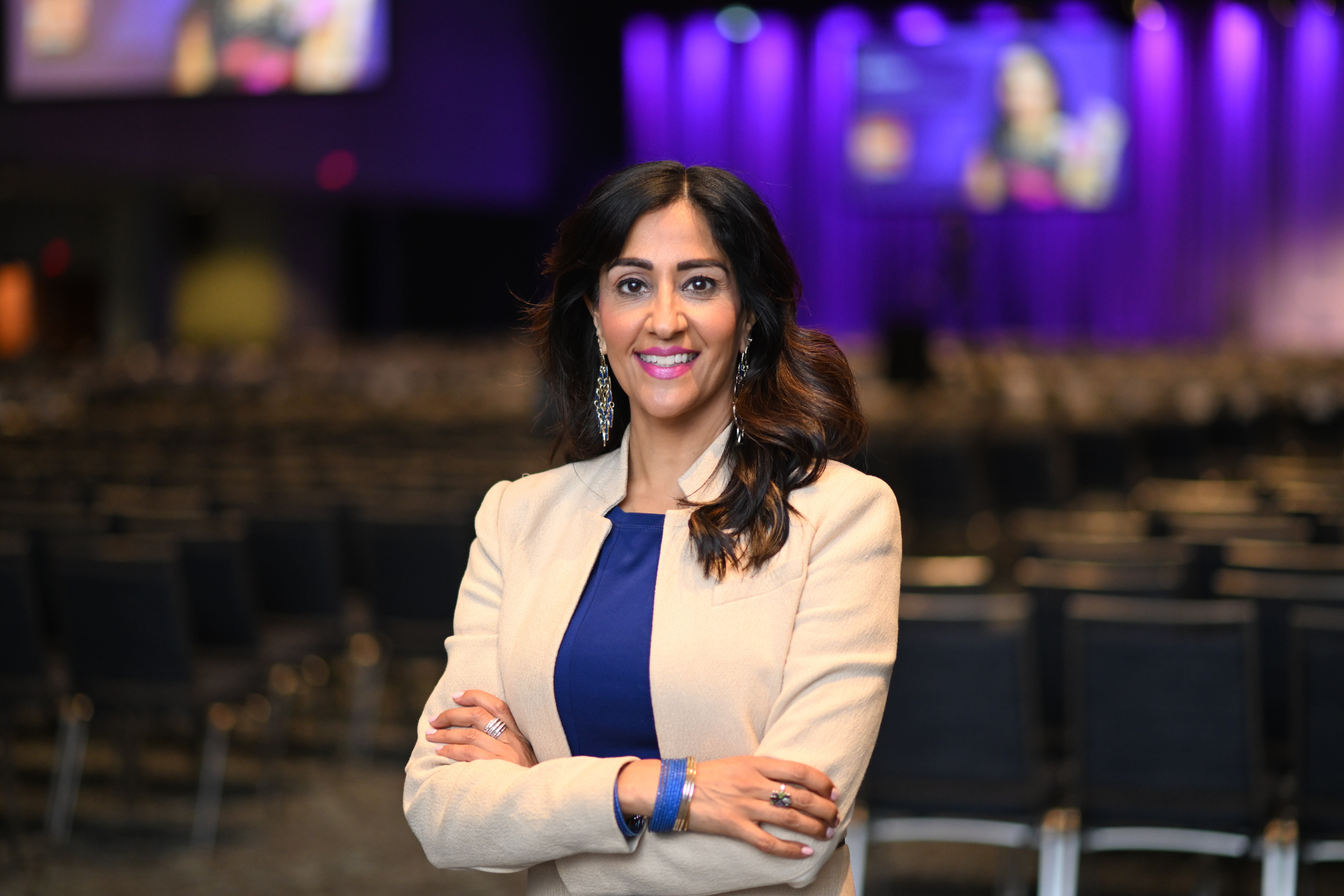
Psychiatrist, Best-Selling Author, Keynote Speaker & Researcher living with a bendy body
Dr. Shimi Kang is an award-winning Harvard trained psychiatrist, #1 bestselling author, and leading expert on the science of motivation, leadership and resilience. She is the author of The Dolphin Parent, The Self-Motivated Kid, and The Tech Solution: Creating Habits for a Digital World. Her work has been recognized with the American Academy of Addiction Psychiatry Award, the YWCA Woman of Distinction Award, and the Queen Elizabeth II Diamond Jubilee Medal for her contributions to health and community well-being.
Dr. Kang is also a celebrated professional keynote speaker and her TEDx talk on adaptability has been seen by millions. Beyond her professional accomplishments, Dr. Kang lives with Ehlers-Danlos syndrome and has endured years of severe chronic pain. This personal journey of navigating physical limitations while sustaining a global speaking career, clinical practice and writing has deepened her perspective on adaptability, balance, and self-compassion.
As a mother of 3, physician, and patient herself, Dr. Kang brings an authentic, compassionate voice to conversations about human potential, health, and the power of turning adversity into strength. In this episode, she discusses her personal and professional advice on parenting through EDS, hypermobility and chronic pain.